The world is shifting at a fast pace. The industries are expanding, energy demands are on a rise, and pressure to operate in a sustainable manner has never been felt anymore. The traditional sources of energy, generally based on fossil fuels, are becoming increasingly less viable not just environmentally but also economically. This is where clean energy technologies are stealing the spotlight. They provide industries with an opportunity to grow, save money, and minimize their environmental footprint simultaneously.

Why Clean Energy Matters for Growing Industries
Wherever expansion occurs, energy use rises accordingly. High energy consumption leads to higher costs, quicker wear and tear on equipment, and greater environmental impact. Clean energy technologies-like solar, wind, biomass, and energy storage-offer a solution that resolves all three challenges.
According to the International Energy Agency many industries adopting clean energy say it has improved operational efficiency, cost predictability, and long-term resilience. When energy becomes more reliable and predictable, companies can focus on growth instead of constantly managing disruptions or rising bills.
Integrating Renewable Energy Systems
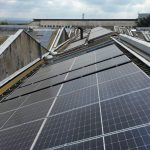
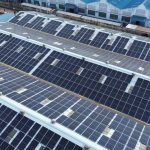
Renewable energy has moved from being a “nice-to-have” to an essential part of modern industry. Solar panels, small-scale wind turbines, and biomass systems can successfully meet a significant portion of the energy requirement of a factory. When integrated appropriately, these systems reduce reliance on the grid and lower carbon emissions.
Spenomatic Energy Solutions assists industries in the design of renewable systems to match production patterns. For example, factories that operate during the day can take full advantage of solar energy, while hybrid systems combine renewable sources with backup generators or battery storage for guaranteed power availability. The United Nations Environment Programme emphasizes that making industry use renewables is among the quickest ways to cut national emissions.
Energy Storage and Efficiency
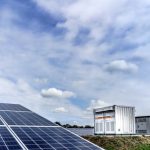
Only clean energy is not sufficient if it cannot be stored or utilized efficiently. That is where batteries and smart energy management systems come into play. Storage solutions store excess energy produced during peak production times for use during off-peak periods or at night.
Automation and monitoring tools track energy use, identify waste, and optimize consumption. For instance, a factory could find out that some equipment draws unnecessary power while sitting idle. Having real-time insights, the adjustments in schedules or upgrading of machinery reduce waste, cut costs, and help environmental objectives. The International Renewable Energy Agency reports that the key to maximizing both economic and environmental benefits is the combination of energy efficiency with renewable generation.
Supporting Growth While Reducing Risk
Growing industries are fraught with uncertainties: changes in the market, resource availability, and energy costs are constantly fluctuating. Clean energy technologies help reduce these risks. With renewable energy and storage, companies are less dependent on fossil fuels and volatile energy prices.
Spenomatic Energy Solutions helps businesses calculate their energy needs, choose the right technologies, and implement systems that scale with growth. This way, industries can expand confidently, knowing they have a reliable and cost-effective energy foundation.
Cleaner Operations and Sustainability Goals
Sustainability is no longer optional; it is mainstreamed through increasing demands from investors, regulators, and customers. Clean energy technologies allow companies to meet these expectations without sacrificing productivity.
Modern systems reduce emissions and improve resource efficiency while supporting circular practices. This can integrate solutions for industries to show that they are serious about environmental responsibilities while enjoying operational benefits. United Nations Industrial Development Organization emphasizes that in most cases, sustainability practices translate into long-term competitiveness, better public perception, and even financial incentives.
Real-World Examples
Picture a medium-sized manufacturing plant installing a hybrid solar-battery system. Most of the energy for production during sunny hours comes from solar panels; the excess energy charges batteries for evening shifts. Automation adjusts lighting, heating, and equipment usage for maximum efficiency.
In a matter of months, the plant witnesses reduced electricity costs, smoother production schedules, and lowered emissions. Workers have more stable conditions to work in, and management can finally begin to focus on growth, not constant troubleshooting of energy issues. Stories like these are common for industries that work with Spenomatic Energy Solutions to implement clean energy technologies.
Preparing for a Future of Innovation
Clean energy technologies are evolving at a rapid rate. New battery chemistries, smarter automation, and more efficient renewable systems have been continuously improving operational efficiencies. Industries that adopt these solutions at present are positioning themselves ahead of the curve to gain both economic and environmental advantages.
According to the International Energy Agency, early adoption of clean energy makes industries more resilient to changes in energy markets and better prepares them for upcoming tightened environmental standards. In the near future, industries with smart integrated clean energy systems will enjoy lower costs, fewer interruptions, and greater sustainability credentials.
Making the Transition Practical
The shift to clean energy needn’t be daunting. Spenomatic Energy Solutions works closely with industries to assess existing energy use, advises on scalable technologies, and provides staged implementation for systems. They help to make practical improvements that actually result in a difference, immediate savings, easier operations, and reduction of emissions that can be measured.
The combination of renewable energy, storage, automation, and efficiency upgrades ensures that industries grow in a responsible and competitive manner. Clean energy technologies aren’t just about the environment; they’re about creating operations that are resilient, predictable, and future-ready.
FAQs
1. How are clean energy technologies benefiting the growth of industries?
They reduce costs, improve energy reliability, and lower environmental impact.
2. Can renewable energy meet industrial energy demands?
Yes, especially when combined with storage and hybrid solutions.
3. Do clean energy systems help in achieving sustainability goals?
Absolutely, they reduce emissions and support responsible operations.
4. Is it complicated to implement these technologies?
Not with professional support, that is, companies like Spenomatic Energy Solutions render the process feasible and scalable.
5. Do these solutions save money in the long run?
Yes, reduced energy waste and lower bills offset the initial investment over time.