
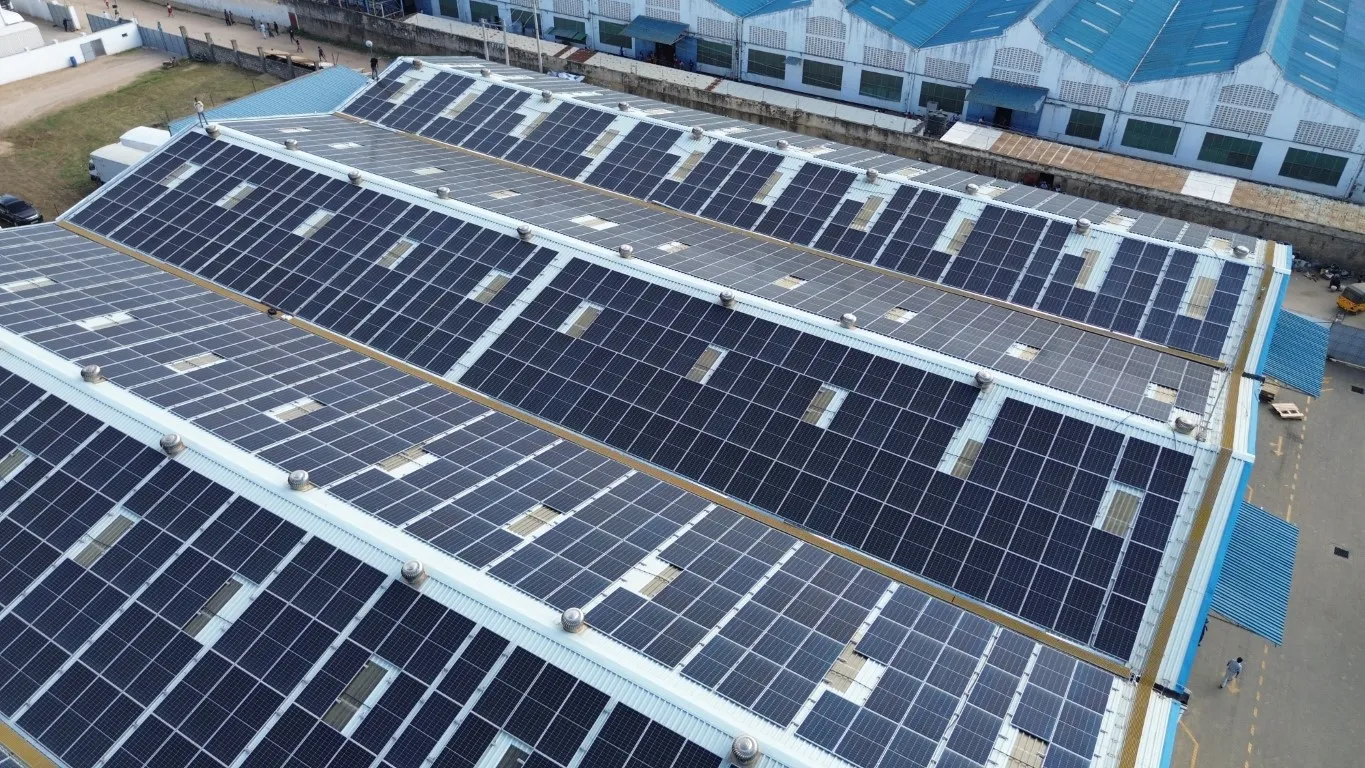
Solar power in Kenya has grown rapidly over the past decade. What was once viewed as a small off-grid solution is now becoming a mainstream energy option for homes, businesses, and institutions across the country.
Today, many Kenyans are actively exploring solar energy as a way to reduce electricity costs, gain energy independence, and invest in sustainable power solutions.
This shift in perception is one of the key drivers behind the rising demand for solar power in Kenya.
Why Solar Power Is Growing in Kenya
Several factors are contributing to the rapid adoption of solar energy in Kenya.
First, electricity costs have steadily increased over the years. As tariffs rise, both households and businesses are looking for ways to stabilize their energy expenses.
Next, solar technology has improved significantly. Modern solar panels are more efficient, longer lasting, and easier to maintain than earlier systems.
Finally, the cost of solar installations has gradually decreased, making solar energy systems more accessible to a larger number of Kenyans.
Because of these factors, solar power is no longer seen as an experimental technology. Instead, it is becoming a practical energy investment.
Early Perception of Solar Energy in Kenya
In the early stages of solar adoption, most systems were installed in rural areas where access to grid electricity was limited.
Solar panels were typically used for small applications such as:
-
Lighting a few rooms
-
Charging mobile phones
-
Powering radios or small televisions
As a result, many people believed solar power was only suitable for low-energy needs.
Urban households and large businesses rarely considered solar systems because the national grid was viewed as the primary power source.
However, this perception has changed significantly over time.
[caption id="attachment_2655" align="alignnone" width="300"] Solar power in kenya is growing rapidly[/caption]
Rising Electricity Costs and the Shift to Solar
One of the biggest reasons solar energy adoption is increasing in Kenya is the cost of electricity.
Businesses, factories, and commercial buildings consume large amounts of power. Rising energy prices have forced many companies to look for alternative solutions.
Solar power provides a way to generate electricity directly from sunlight, reducing reliance on the national grid.
For many organizations, installing solar panels can help lower operational costs and improve long-term financial planning.
Because of this, commercial and industrial solar installations in Kenya are growing quickly.
Solar Power for Homes in Kenya
Homeowners are also beginning to see the value of solar energy.
Residential solar systems can power:
-
lighting systems
-
televisions and appliances
-
water pumps
-
security systems
In many cases, homeowners install solar systems to supplement grid electricity rather than replace it entirely.
This hybrid approach allows households to reduce electricity bills while still maintaining reliable power.
As awareness increases, more Kenyan homeowners are considering solar energy as a long-term investment.
Solar Energy for Businesses and Industries
Businesses are some of the largest adopters of solar power in Kenya.
Industries with high daytime electricity usage benefit the most from solar systems because solar panels generate energy during daylight hours.
Some sectors increasingly using solar energy include:
-
manufacturing plants
-
agricultural processing facilities
-
hotels and hospitality businesses
-
warehouses and logistics centers
For these businesses, solar energy provides predictable electricity costs and reduces exposure to tariff fluctuations.
Many companies also adopt solar to support sustainability goals and demonstrate environmental responsibility.
Increasing Awareness of Solar Energy

Another reason for the growing acceptance of solar power in Kenya is improved public awareness.
Solar companies now invest more effort in educating potential users through:
-
consultations and site assessments
-
educational content and case studies
These efforts help customers understand how solar systems work and how much electricity they can generate.
When people see real examples of solar installations working successfully, their confidence in solar energy increases.
Challenges Affecting Solar Adoption
Despite its growth, solar power adoption in Kenya still faces several challenges.
Some of the most common concerns include:
-
the initial installation cost
-
uncertainty about system sizing
-
concerns about battery replacement costs
-
poor installations by inexperienced providers
Quality installation and proper system design are critical for long-term performance.
As the industry grows, stronger standards and professional expertise will play an important role in maintaining trust.
The Future of Solar Power in Kenya
Kenya already ranks among the countries with the highest share of renewable energy in its electricity mix.
Solar energy is expected to play an even larger role in the future as technology continues to improve and demand for affordable electricity grows.
More businesses are exploring large rooftop solar systems, while homeowners are increasingly adopting smaller residential systems.
As awareness spreads and installation costs continue to fall, solar power is likely to become one of the most important energy solutions in Kenya.
Conclusion
The perception of solar power in Kenya has evolved dramatically.
What was once considered a small off-grid technology is now becoming a widely accepted energy solution for homes, businesses, and industries.
With rising electricity costs, improved technology, and greater awareness, solar power is steadily moving into the mainstream of Kenya's energy landscape.
For many Kenyans, the question is no longer whether solar works.
The real question is how soon they should invest in it.