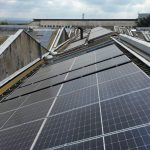
Electricity costs in Kenya have been rising steadily.
Next, more homes and businesses are starting to feel the pressure. Monthly bills of KSh 10,000, KSh 30,000, or even higher are becoming common. They are starting to research about Solar Costs in Kenya
After that, many people start asking one question:
“Is solar power actually worth it?”
The short answer is yes.
But only if it is done correctly.
This guide breaks it down in simple terms.
What Solar Power Means in Kenya Today


Solar power is no longer a luxury.
Next, it is becoming a practical solution for:
- Homeowners trying to reduce bills
- Businesses managing operating costs
- Factories reducing energy risk
Then, there is another shift happening.
Electricity is no longer just about cost.
It is about control and stability.
How Much Solar Costs in Kenya
The cost depends on your electricity usage.
Here’s a simple breakdown:
Small Homes (KSh 5,000 – 15,000/month)
- System size: 1kW – 3kW
- Estimated cost: KSh 150,000 – 450,000
Mid-Sized Homes (KSh 15,000 – 50,000/month)
- System size: 3kW – 8kW
- Estimated cost: KSh 450,000 – 1.2M
Commercial & Industrial
- System size: 50kW – multi-MW
- Cost: Project-based after analysis
These are not official quotations. We determine quotes after an analysis of your solar needs and premises.
After that, one thing matters more than cost:
How much you save.
How Much You Actually Save

Let’s break it down simply.
If your monthly bill is:
- KSh 30,000 → Solar can offset 60–90%
- That’s KSh 18,000 – 27,000 saved per month
Next, calculate yearly:
- KSh 216,000 – 324,000 saved
Then:
- Payback period → 2 to 5 years
After that:
- Electricity becomes almost free for years
What Most People Get Wrong About Solar
This is where most mistakes happen.
1. Oversizing the System
Bigger is not always better.
Next, many people install systems larger than their actual needs.
This increases cost without increasing value.
2. Ignoring Consumption Patterns
Solar works best when aligned with your usage.
For example:
- Daytime usage → perfect for solar
- Night-heavy usage → may need batteries
3. Choosing Based on Price Alone
Cheap systems often:
- Underperform
- Fail faster
- Deliver poor ROI
After that, fixing them becomes more expensive than doing it right.
Do You Need a Battery?
Simple answer:
- YES → If you need power at night or during outages
- NO → If your usage is mostly daytime
Next, batteries increase cost significantly.
So they should be added only when necessary.
Is Solar Power Worth It in Kenya?
Yes — if:
- Your bill is above KSh 10,000
- You plan to stay long-term
- You install the right system size
- You work with an experienced provider
Then solar becomes:
- A cost-saving tool
- A business advantage
- A long-term investment
Final Thoughts
Solar power in Kenya is no longer just an alternative.
It is becoming the smart standard.
Next, the real question is not:
“Should I install solar?”
It is:
“Am I losing money by not installing it yet?”
Want to know your exact system size and savings?
- Get a free analysis
- See real examples
- Visit the interactive solar experience center