
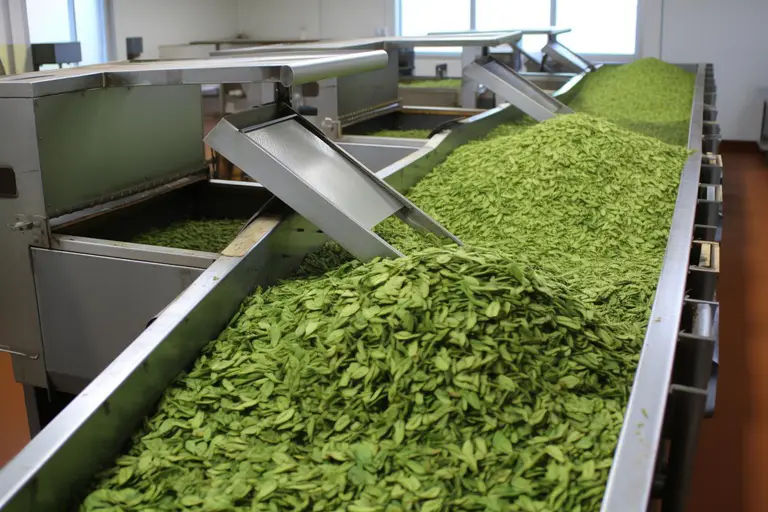
Tea producers across Kenya and the wider African market face a constant challenge: turning variable leaf quality into a reliable, market-ready product. Modern CTC tea machinery — often referred to as a tea CTC machine — addresses this by standardising the crushing, tearing and curling stages, delivering uniform tea granule consistency that meets buyer expectations.
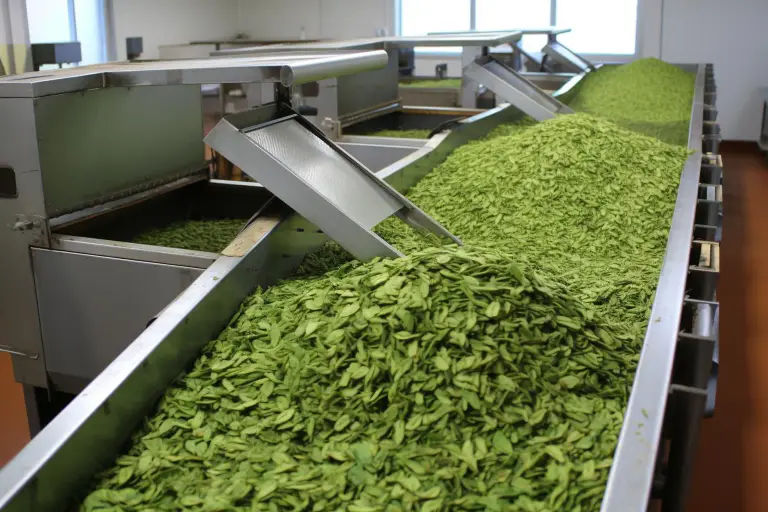
Why This Matters for Kenya and Africa
In regions where climate and harvest timing create fluctuating leaf moisture and size, the ability to produce consistent CTC tea directly influences export contracts and price premiums. A stable product also reduces re-work and waste, protecting margins in a competitive global market.
Where Tea Machinery Buyers Typically Lose Money or Uptime
Many plantations invest in equipment without a clear understanding of required throughput, leading to bottlenecks at the tearing stage or excessive wear on the curling rollers. Unplanned downtime from poorly matched tea rolling machines can erode profitability faster than the initial capital outlay.
How Spenomated Group Experience Connects to the Topic
Spenomatic Group has installed over 150 CTC lines across East Africa, refining the balance between crushing force, tear speed and curl tension. Our field teams know the local leaf characteristics and can tailor tea processing equipment to minimise energy spikes and mechanical stress.
How CTC Machinery Improves Granule Consistency When Leaf Condition, Settings and Maintenance Are Right
The three core actions — crushing, tearing and curling — break down leaf structure, release essential oils and shape the final granules. When the crusher is set to the correct gap for the leaf's moisture, the tear rollers create uniform strands, and the curlers apply consistent pressure, the resulting tea granule consistency matches buyer specifications every batch.
What to Measure Before Selecting Equipment or Services
Key metrics include leaf moisture content, average leaf size, desired cut-size distribution, and power consumption per kilogram of processed tea. Conducting a pilot run with a portable tea rolling machine can reveal the optimal settings before committing to a full line.
When a Simple Fix Is Enough and When a Full EPC or Technical Audit Is Needed
If uneven granules stem from a mis-adjusted roller gap, a quick recalibration may solve the issue. However, recurring variability often signals deeper problems such as uneven power supply, worn rollers, or inadequate water-spray systems, warranting a comprehensive EPC (Engineering, Procurement, Construction) audit.
Cost, ROI and Operating Considerations
Capital Cost Versus Operating Cost
Investing in a robust CTC tea machinery package may appear higher upfront, but lower energy draw and reduced waste translate into a faster return on investment compared with older orthodox-style equipment.
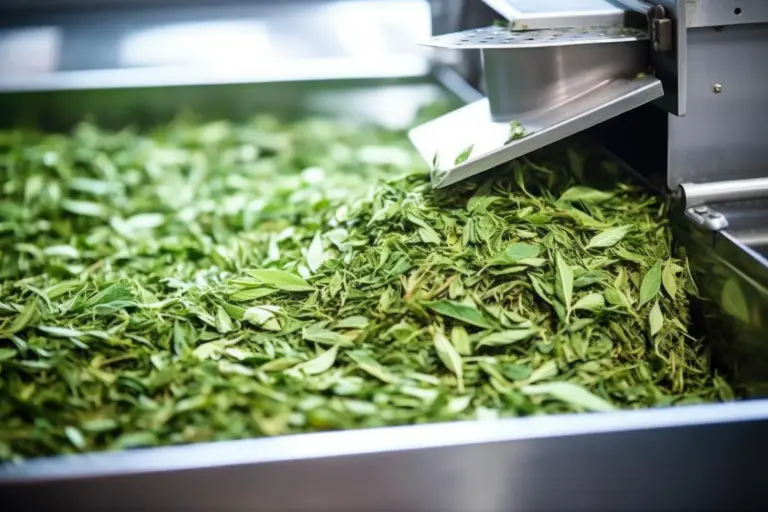
Maintenance, Consumables, Spares and Monitoring
Regular inspection of the crushing plates, replacement of tear-roller pins and lubrication of curlers are essential. Spenomatic offers predictive monitoring tools that alert operators before a component fails, extending the life of critical spares.
Payback, Risk Reduction and Lifecycle Value
Consistent granule size reduces the risk of batch rejections, improves shelf-life, and strengthens brand reputation. When combined with energy-efficient drives, the lifecycle value of a modern tea processing line often exceeds the payback period within 3-4 years.
Common Mistakes to Avoid
Buying on Price Without Sizing Data or Test Results
Low-cost machines may lack the precision needed for uniform crushing, leading to higher long-term costs.
Ignoring Maintenance, Warranties, Safety and Training
Skipping a comprehensive warranty or operator training program can result in unexpected downtime and safety incidents.
Treating Utilities, Energy, Water and Process Equipment as Separate Problems
Integrated solutions that synchronise power quality, water-spray systems and mechanical performance deliver the most reliable output.
How to Choose the Right Spenomatic Solution
Questions to Ask During an Audit or Consultation
What is the average leaf moisture at harvest? Which throughput levels are required during peak season? How does the existing power infrastructure support variable motor loads? What maintenance resources are available on-site? Answers to these questions guide the selection of a tea CTC machine that aligns with your production goals.
Ready to transform your tea line into a consistent, high-yield operation? Reach out to Spenomatic Group for a free on-site audit and discover the optimal CTC configuration for your plantation.