Making a smart energy decision used to feel overwhelming. The technical language was confusing. The cost calculations were unclear. And honestly, most of us did not know where to start. That is exactly the problem that interactive solar centers are designed to solve.
Across the world, and now right here in Nairobi, solar interactive centers are changing the way people discover, understand, and ultimately choose solar energy. They replace fear and confusion with clarity. And that shift in feeling, from uncertain to informed, is what makes them so powerfully effective.

Why Most People Still Hesitate on Solar
Solar energy has never been more affordable. The cost of panels has dropped dramatically over the past decade. Government incentives have made installations more accessible. Kenya already generates roughly 90% of its grid electricity from renewable sources. And yet, millions of homes and businesses still hold back.
The reason is almost never cost alone. More often, it is uncertainty. People do not fully understand how solar works. They cannot visualise what a system looks like. They worry about whether it will actually deliver what the salesperson promises. That uncertainty is expensive, not because solar is risky, but because staying on the grid keeps costing money every single month.
Interactive solar centers address all of that directly.
How a Solar Interactive Center Bridges the Knowledge Gap
A solar interactive center is not a sales office. It is not an exhibition stand. It is an educational space where real solar equipment is on display, working, and waiting to be explored.
When you touch a solar panel, examine a real inverter, and watch a battery storage unit operate in real time, something important happens. The technology stops feeling abstract. It becomes real. And once it feels real, the decision becomes far less daunting.
This is the core value of the interactive model: it converts complicated technical concepts into lived, tangible experiences. Research consistently shows that hands-on learning leads to deeper understanding and stronger recall than passive reading or watching videos alone. When people understand something, they trust it. When they trust it, they act.
Seeing the Equipment Up Close
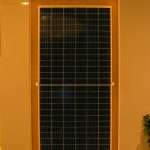
One of the most important moments at any solar interactive center is the first time a visitor stands next to a full solar installation setup. For many people, solar panels exist only as images on a website or on a distant rooftop. Seeing them at eye level, touching the glass surface, feeling the weight of a module, reading the actual output labels, creates a completely different impression.
That impression is honest. The technology is solid. It is proven. And seeing it in person dissolves a lot of the scepticism that brochures simply cannot.
Running Your Own Numbers
Knowing that solar exists and knowing whether solar is right for you are two very different things. The most valuable feature of a well-designed solar interactive center is the ability to model your own situation.
At the Spenomatic Solar Interactive Center at Sarit Centre in Westlands, visitors can simulate their solar performance and sizing in real time. Enter your monthly electricity bill. Enter the size of your premises. The tool does the rest. It shows you estimated generation, projected savings, and payback timelines in plain figures, not promises, but projections rooted in real data.
For a business owner watching electricity costs eat into margins every month, that simulation can be genuinely eye-opening. For a homeowner tired of power cuts, it can be the nudge that finally turns intention into action.
The Spenomatic Solar Interactive Center: A Local Example Done Right
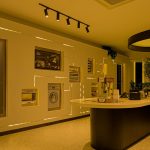
The Spenomatic Solar Interactive Center in Nairobi is a strong example of what this concept looks like when it is executed thoughtfully. Opened in February 2026 by Spenomatic Group, a company with over 27 years of experience and more than 162 MWp of solar installed across Africa, the center was placed inside Sarit Centre deliberately.
Shopping malls are where ordinary life happens. By embedding solar education inside that everyday environment, Spenomatic removed one of the biggest barriers to learning: the inconvenience of seeking it out. You could be heading to a coffee shop and walk past the center. Curiosity does the rest.
The facility welcomes students, working professionals, families, and retirees. No appointment. No pressure. Just honest information and working equipment you can explore at your own pace.
Guided Sessions That Actually Help
Beyond the exhibits, the center offers guided sessions led by knowledgeable staff. These sessions are not sales pitches. They are explanations. Staff walk visitors through how solar systems are designed, what questions to ask before installing, and what realistic expectations look like for different types of properties.
That kind of guided conversation is remarkably rare in the solar industry. Most interactions happen late in the buying process, when a salesperson already has a quote in hand. The solar interactive center flips that dynamic entirely, putting knowledge first, and letting the decision follow naturally.
Why This Approach Supports Kenya’s Energy Future
Kenya has set an ambitious target: 100% clean energy on the national grid by 2030. Solar PV is a critical lever in that push, particularly for distributed generation at the home and business level. The Kenya National Energy Compact targets 807 MW of solar PV capacity by 2030, up from around 443 MW in 2024.
Getting there requires more than infrastructure investment. It requires public understanding. When people genuinely understand solar, when they have seen it, touched it, and run the numbers for their own situation, adoption accelerates organically. Interactive solar centers are one of the most effective tools available for making that happen at scale.
They also support long-term trust in the sector. An informed customer makes a better purchasing decision, chooses the right system size, and ends up satisfied. That satisfaction drives word-of-mouth. Word-of-mouth drives the next wave of adoption. The ripple effect is real, and it starts with a single informed visit.
Conclusion
Smart energy decisions do not come from glossy brochures or convincing sales calls. They come from genuine understanding. Interactive solar centers create that understanding in a way that no other format can match, by making solar real, tangible, and personal.
If you are anywhere near Westlands, the Spenomatic Solar Interactive Center at Sarit Centre is worth an hour of your time. Walk in, explore the equipment, run your numbers, and ask every question you have been holding back. You will leave clearer, more confident, and probably closer to a decision than you expected. And if you cannot visit in person, the virtual 360° tour is a great place to start.
The energy transition in Kenya is happening. The only question is whether you are part of it, and a solar interactive center is one of the best places to find out.
FAQs
1. What is an interactive solar center?
It is a public learning space where visitors can explore real solar equipment, watch live demonstrations, and simulate solar systems for their own homes or businesses, with no sales pressure.
2. How is it different from visiting a solar company?
A solar company is focused on closing a sale. An interactive solar center is focused on building understanding. The goal is to inform, not to persuade.
3. Who should visit a solar interactive center?
Anyone curious about solar, homeowners, business owners, students, and professionals. You do not need any technical background to benefit from a visit.
4. Can I really get useful numbers from the simulation tools?
Yes. Tools like those at the Spenomatic Solar Interactive Center generate realistic projections based on your actual energy consumption and property details, giving you a solid starting point for any solar conversation.
5. Where can I visit one in Nairobi?
The Spenomatic Solar Interactive Center is located on the lower ground floor of Sarit Centre in Westlands. No appointment needed. A virtual tour is also available at 360.spenomatic.net.