
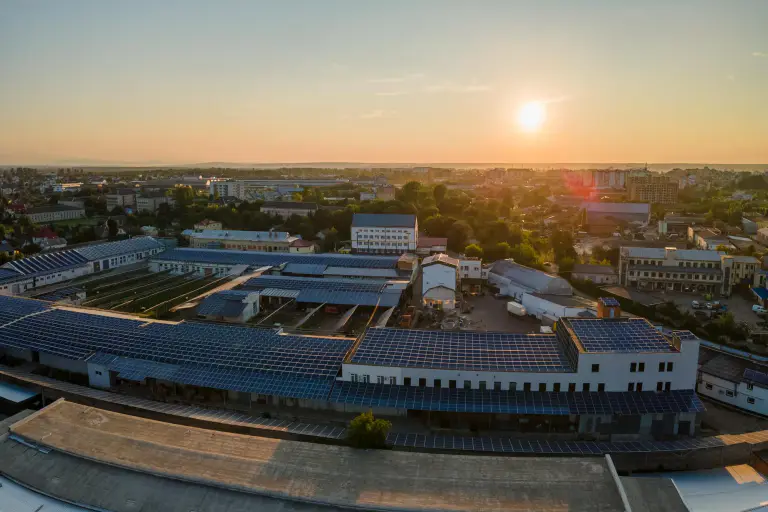
How Commercial Solar Installations Work in Africa (100kW to 10MW)
Understanding a commercial solar installation Africa project can feel overwhelming, especially when you need to balance technical detail, financing and local regulations. This guide walks you through every stage — from sizing a 100kW system to commissioning a 10MW plant — so you can make confident decisions for your business.
Where solar power buyers typically lose money or uptime
Most losses stem from undersized arrays, poor site assessment, and inadequate maintenance contracts. Without accurate load analysis, a plant may under-perform during peak demand, eroding expected savings.
How Spenomatic Group experience connects to the topic
Our EPC experience across Africa includes more than 30 C&I solar PV projects ranging from 100kW to 10MW. We combine local engineering expertise with global best practices to keep projects on schedule and within budget.
Planning, sizing, financing, installing and commissioning 100kW to 10MW C&I solar PV projects
Start with a detailed energy audit to determine the optimal system size. Use reputable financing models — such as power purchase agreements or green loans — to secure capital. Our team handles design, procurement, civil works, electrical installation and final commissioning, ensuring each step meets local codes.
What to measure before selecting equipment or services
Key metrics include solar irradiance, temperature coefficient of panels, inverter efficiency, and grid interconnection limits. Verify that equipment certifications match the African standards outlined in the solar articles and buyer guides.
When a simple fix is enough and when a full EPC or technical audit is needed
Minor shading issues or inverter firmware updates can be resolved on-site. However, if you notice persistent output drops, a full technical audit — often part of an EPC contract — identifies design flaws, component degradation or grid compatibility problems.
Cost, ROI and Operating Considerations
Capital cost versus operating cost
Initial CAPEX includes panels, inverters, mounting structures and civil works. Operating expenses cover routine maintenance, spare parts and monitoring services. A well-designed system reduces OPEX by minimizing downtime.
Maintenance, consumables, spares and monitoring
Implement a preventive maintenance schedule and keep critical spares — such as fuses and contactors — on hand. Remote monitoring platforms provide real-time performance data, allowing quick response to faults.
Payback, risk reduction and lifecycle value
Typical payback periods for 100kW-10MW projects in Africa range from 4 to 7 years, depending on tariff structures and financing terms. A robust EPC contract mitigates risks related to construction delays and performance guarantees.
Common Mistakes to Avoid
Buying on price without sizing data or test results
Low-cost panels may have lower efficiency or shorter warranties, leading to higher LCOE over the plant's life.
Ignoring maintenance, warranties, safety and training
Neglecting these aspects can cause unexpected outages and increase total cost of ownership.
Treating utilities, energy, water and process equipment as separate problems
Integrated design ensures that solar generation aligns with existing utility contracts and process loads, maximizing self-consumption.
How to Choose the Right Spenomatic Solution
Questions to ask during an audit or consultation
Ask about the contractor's track record with similar capacity projects, the scope of warranties, the monitoring solution offered, and the financing options available. Review case studies of industrial engineering solutions that match your sector.
Ready to move forward? Let's talk about a free feasibility audit tailored to your commercial solar goals.