Industrial facilities across the continent face rising power costs, unreliable grids, and strict emissions targets. Selecting the right mix of heat, power and cooling technologies can lower operating expenses while meeting sustainability goals. This guide walks you through the most effective solutions beyond solar alone, helping you build a resilient energy portfolio.

Understanding Core Energy Needs in Industrial Plants
Mapping process heat, electricity, and cooling loads
Start by quantifying the three primary loads: high‑temperature steam for process heating, electrical demand for motors and controls, and chilled water for product or equipment cooling. A detailed load profile reveals peak periods, seasonal variations, and opportunities for load shifting.
Evaluating site‑specific resource availability
Assess local fuel markets, biomass residues, water resources and solar irradiance. In many African regions, agricultural waste or forest residues provide a reliable feedstock for biomass boilers, while solar PV can supplement daytime electricity.
Boiler Efficiency and Biomass Options
Selecting high‑efficiency boilers for African climates
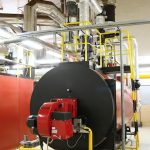
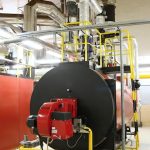
Modern condensing and low‑NOx boilers can achieve 90 %+ thermal efficiency even in hot ambient conditions. Look for units with variable‑speed burners and advanced controls that adapt to fluctuating load demands.
Biomass fuel sourcing and sustainability considerations
When biomass is locally abundant, it reduces fuel transport costs and carbon intensity. Verify sustainable harvesting practices and certify feedstock to avoid future supply disruptions.
Hybrid Solar PV, Steam and Chiller Systems

Designs that balance solar generation with boiler backup
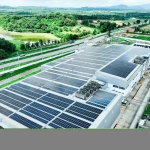
Integrating a solar PV array with a steam‑generation plant creates a hybrid system where solar covers daytime electricity and excess power can run auxiliary pumps. The boiler remains on standby for night‑time or cloudy‑day operation, ensuring uninterrupted steam supply.
Load shifting and storage for continuous operation
Battery storage smooths short‑term fluctuations, while thermal storage tanks retain excess steam heat for later use. This combination minimizes fuel consumption and reduces peak‑demand charges.
Energy Recovery and Waste Heat Utilization
Capturing and reusing process heat
Heat exchangers, economizers and organic Rankine cycle (ORC) generators can reclaim waste heat from exhaust gases, cooling water or flue gases. The recovered energy can drive a turbine, pre‑heat boiler feedwater, or supply low‑grade process heat.
Economic impact of heat‑to‑power conversion
Even a modest 5‑10 % conversion of waste heat to electricity can shave thousands of dollars off fuel bills each year, improving overall plant efficiency and reducing emissions.
Financial Evaluation: Costs, Savings and Payback
Building a cost model for mixed‑source projects
Combine capital expenditures for boilers, biomass handling equipment, solar panels and storage with operating savings from reduced fuel use. Include incentives, tax credits and potential carbon‑credit revenue where applicable.

Sensitivity analysis for fuel price volatility
Model scenarios where diesel or natural‑gas prices rise 20‑30 % to understand how biomass or solar contributions protect your bottom line.
Implementation Risks, Compliance and Maintenance
Local permitting and environmental regulations
Engage early with national and regional authorities to secure emissions permits, water‑use licenses and grid interconnection agreements. The Spenomatic EPC experience across Africa can help navigate these processes.
Maintenance programs and spare‑parts strategies
High‑efficiency boilers require regular soot blowers and burner calibrations. Establish a spare‑parts inventory and a preventive‑maintenance schedule to avoid unplanned downtime.
Decision Framework: Comparing Options and Next Steps
Scoring criteria for boiler, biomass, solar, and recovery
Rate each technology on capital cost, fuel security, emissions reduction, operational flexibility and lifecycle O&M expense. A weighted score sheet makes the trade‑off analysis transparent for senior management.
When to engage an EPC partner versus in‑house execution
If your team lacks experience with large‑scale boiler retrofits or hybrid PV‑steam designs, an EPC contractor can deliver turnkey solutions, from engineering to commissioning. For simpler upgrades, an in‑house project may be more cost‑effective.
Ready to evaluate the best mix of boilers, biomass, solar PV and waste‑heat recovery for your facility? Contact Spenomatic Group today for a free energy audit and a customized implementation roadmap.