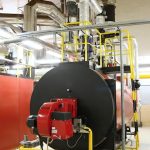
When your boiler receives untreated water, scale builds up, corrosion eats metal, and steam is lost – all of which drive up fuel costs and downtime. Implementing a robust boiler feed water treatment program stops these problems before they start and keeps your plant running at peak performance.
Why Water Quality is Critical for African Industrial Growth
Reliable power and process steam are essential for factories, mines, and refineries across the continent. Poor water quality directly reduces equipment availability and increases maintenance budgets, undermining competitiveness.
Revenue Leakage: Where Buyers Lose Money on Uptime and Maintenance
Scale deposits act as insulation, forcing the boiler to work harder and consume more fuel. Corrosion creates leaks that force unscheduled shutdowns, while carry‑over of untreated water into steam lines wastes energy and contaminates downstream processes.
The Spenomatic Edge: Proven Engineering Solutions Across Africa
Spenomatic’s EPC experience across Africa combines local knowledge with global best practices, delivering treatment plants that meet the toughest operating conditions.

Maximizing ROI: How Treatment Prevents Fuel Waste and System Failure
By removing hardness and dissolved gases, chemical dosing reduces scale formation and oxygen‑induced corrosion. The result is lower fuel consumption, fewer tube failures, and longer boiler life.
Essential Baseline Data: What to Measure Before Investing in Equipment
Key parameters include total dissolved solids, hardness, silica, iron, and dissolved oxygen. Accurate testing guides chemical selection and sizing of softeners, deaerators, and filtration units.
Simple Fixes vs. Full EPC: When to Request a Professional Technical Audit
Minor water‑quality issues can be addressed with inline filters or dosing pumps, but complex plants often need a full‑scale treatment train designed by specialists. A technical audit identifies the right scope.
Economic Analysis: CAPEX, ROI, and Lifecycle Costs
Initial capital outlay for treatment equipment is offset by reduced fuel bills, lower maintenance spend, and extended boiler intervals. A well‑engineered system typically pays for itself within 12‑24 months.

Beyond the Quote: Comparing Capital Costs vs. Long‑Term Operating Expenses
Cheaper chemicals may look attractive, but they can cause premature scaling or corrosion. Investing in high‑quality Labs and Chemicals products ensures consistent performance and lower total cost of ownership.
Operational Continuity: Managing Consumables, Spares, and Monitoring
Regular replenishment of dosing chemicals, filter cartridges, and spare parts keeps the system online. Automated monitoring of pH, conductivity, and oxygen levels reduces manual checks and prevents surprises.
Risk Mitigation: Assessing Payback Periods and Asset Lifecycle Value
Financial models that include fuel price volatility, downtime penalties, and warranty extensions provide a realistic view of ROI and help secure financing.

Common Pitfalls in Boiler Water Management
Many plants underestimate the importance of proper sizing and ongoing maintenance, leading to recurring problems.
The Price Trap: Why Buying Without Technical Sizing Data Fails
Undersized softeners or deaerators cannot handle peak loads, causing breakthrough of hardness or oxygen and accelerating wear.
Neglecting the Future: The Cost of Ignoring Training and Warranties
Operators who are not trained on chemical handling or system diagnostics increase the risk of dosing errors and equipment damage.
Isolated Utilities: Why Integrated Energy and Water Management is Better
Coordinating boiler water treatment with overall plant water‑reuse and cooling‑tower programs improves overall efficiency and reduces waste.

Choosing the Right Partner: The Spenomatic Consultation Process
Spenomatic offers a step‑by‑step approach that starts with a site audit, followed by a customized treatment design, installation, and ongoing support.
Audit Checklist: Strategic Questions to Ask Your Treatment Provider
Ask about feed‑water analysis capabilities, chemical sourcing, spare‑part logistics, and the provider’s experience in your specific industry. Review case studies from the industrial engineering solutions portfolio and the water and effluent treatment division to gauge expertise.
Ready to protect your boiler, cut fuel costs, and boost reliability? Contact Spenomatic Group today for a free technical audit and discover the most cost‑effective treatment strategy for your operation.