
Manufacturers across Kenya and the broader African market are facing rising electricity costs and unreliable grid supply. Switching to solar can protect your bottom line, but the decision must be backed by clear financial metrics and a plan for long-term resilience. This guide walks you through the key factors that determine a successful solar deployment for factories.
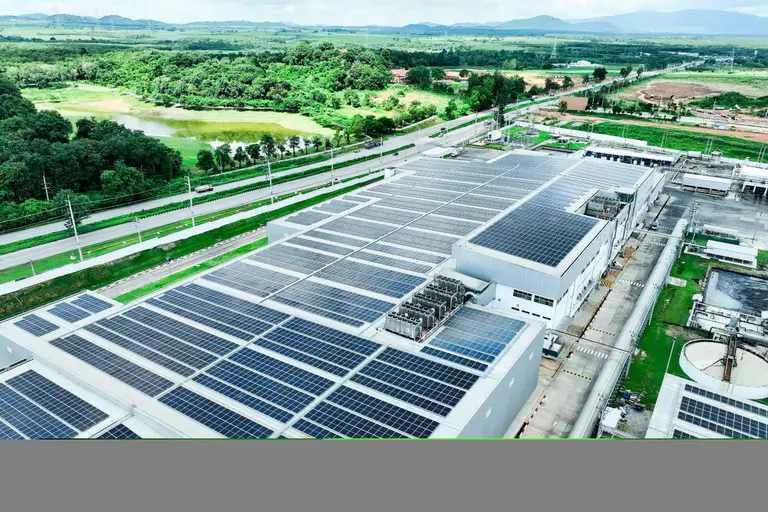
Also read about: Solar Energy Vs Grid Power Which Is Cheaper For Kenyan Homes
Why This Topic Matters in Kenya and Africa
In many African nations, utility tariffs have risen by double-digit percentages in the last five years, while grid outages can last hours or even days. For a production line that runs 24/7, each minute of downtime translates directly into lost revenue. Solar offers a way to lock in predictable energy costs and safeguard operations against grid instability.
Where Solar Power buyers typically lose money or uptime
Common pitfalls include under-sizing the array, ignoring seasonal irradiance variations, and failing to integrate storage or backup generators. Without accurate load profiling, a plant may still rely on the grid during peak production, eroding the expected return.
How Spenomatic Group experience connects to the topic
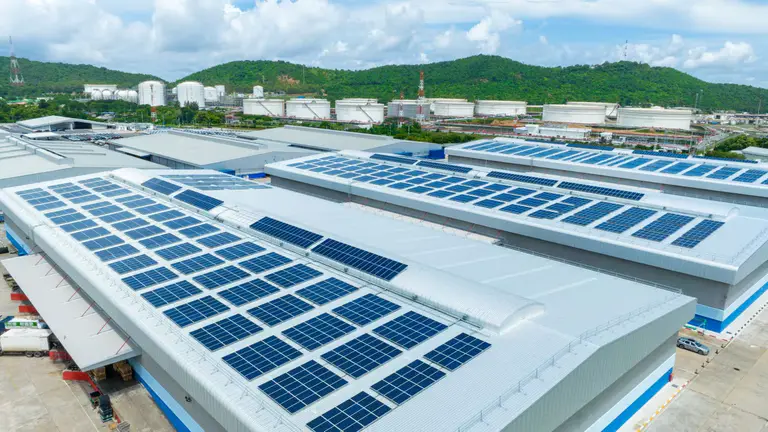
Our industrial engineering solutions combine detailed energy audits with proven EPC experience across Africa. We have delivered more than 50 megawatts of solar capacity for manufacturing sites, ensuring each project meets local regulatory standards and operational goals.
How factories evaluate solar ROI, payback, resilience and grid independence
Start with a baseline of current electricity spend, then model the expected production of a solar array using site-specific solar irradiance data. Factor in capital expenditure, financing costs, and O&M expenses to calculate the internal rate of return (IRR) and simple payback period. Include the value of reduced outage risk — often quantified as avoided lost production.
What to measure before selecting equipment or services
Key metrics include peak demand, load factor, seasonal load curves, and the proportion of critical processes that cannot tolerate interruption. Verify that the proposed inverter and panel ratings match the plant's voltage and current requirements, and assess whether battery storage is needed for critical loads.
When a simple fix is enough and when a full EPC or technical audit is needed
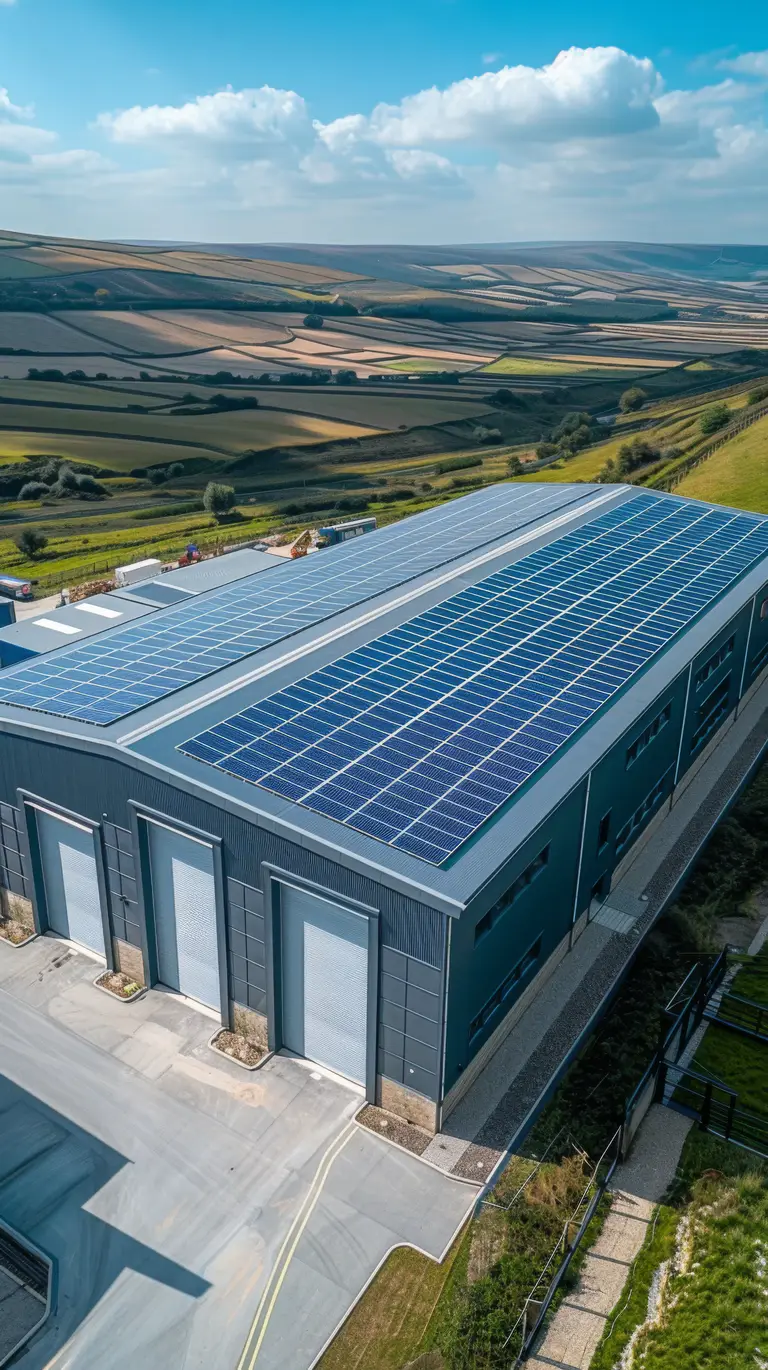
Small workshops may benefit from a rooftop-only system with a basic monitoring package. Larger facilities with complex process loads typically require a full EPC scope, including structural engineering, grid interconnection studies, and a comprehensive technical audit.
Cost, ROI and Operating Considerations
Capital cost versus operating cost
Solar capital costs in Kenya have fallen to around $0.60 per watt, as detailed in the Solar panel cost in Kenya guide. While the upfront investment is significant, operating costs drop dramatically because there is no fuel expense and minimal variable costs.
Maintenance, consumables, spares and monitoring
Annual O&M budgets typically range from 1 – 2% of the initial capex. A robust monitoring platform alerts staff to performance deviations, allowing preventive maintenance before a fault impacts production.
Payback, risk reduction and lifecycle value
Most factories see a simple payback between 4 and 6 years, with a 20-30% IRR over a 25-year lifespan. The added benefit of reduced outage risk can shorten the effective payback further, especially for high-value continuous processes.
Common Mistakes to Avoid
Buying on price without sizing data or test results
Low-cost offers often ignore site-specific shading analysis or the need for a proper balance-of-system design. This leads to under-performance and missed ROI targets.
Ignoring maintenance, warranties, safety and training
Without a clear warranty schedule and trained staff, a plant may face unexpected downtime when components fail. Choose suppliers that provide comprehensive service contracts and on-site training.
Treating utilities, energy, water and process equipment as separate problems
Integrated energy planning — linking solar, water pumping, and process heat — delivers higher overall efficiency. A siloed approach can miss synergies that improve the total cost of ownership.
How to Choose the Right Spenomatic Solution
Questions to ask during an audit or consultation
- What is the expected annual energy production based on my site's solar resource?
- How does the proposed system handle peak demand and critical loads?
- What financing options are available and how do they affect the payback period?
- What warranties, O&M services, and training are included?
- Can the solution be expanded later for storage or additional capacity?
Ready to see how solar can transform your factory's cost structure and reliability? Contact Spenomatic Group today for a free feasibility study tailored to your operation.