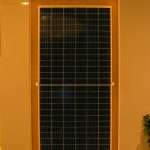
Switching to solar energy is no longer just a trend, it is a practical step toward energy independence and long-term savings. As electricity costs continue to rise and reliability becomes a concern in many regions, homeowners are increasingly exploring solar solutions that can deliver stability, efficiency, and sustainability. Choosing the perfect home solar system, however, requires more than a quick purchase decision. It demands a clear understanding of your needs, your environment, and the technology available.
This guide offers a structured and professional approach to help you make an informed decision, especially if you are considering solutions like Spenomatic solar home Solutions.

Understanding Your Household Energy Demand
Every effective solar installation begins with a precise understanding of energy consumption. Without this foundation, even the most advanced system may fail to deliver the expected results.
Start by analyzing your electricity bills over several months. Focus on your average monthly consumption in kilowatt-hours, and pay attention to seasonal variations. Homes with consistent usage patterns are easier to size, while those with fluctuating demand require a more flexible design approach.
A well-sized system ensures that you neither overspend on unnecessary capacity nor struggle with insufficient power supply. This balance is critical in achieving both cost efficiency and performance reliability.
Exploring the Right Type of Solar System
Selecting the appropriate system configuration is a key step in the decision-making process. Each type of solar system serves a different purpose, and your choice should align with your location, grid reliability, and lifestyle needs.
Grid-tied systems are often the most cost-effective option. They allow you to use solar power during the day while relying on the grid when necessary. However, they do not provide backup during outages, which can be a limitation in areas with unstable power supply.
Off-grid systems operate independently and rely entirely on solar panels and battery storage. These systems are ideal for remote locations or homeowners seeking complete energy autonomy, though they require a higher initial investment.
Hybrid systems combine both approaches, offering grid connectivity along with battery backup. This makes them particularly suitable for households that want flexibility, resilience, and efficient energy management.
Evaluating Solar Panel Quality and Performance
Solar panels are the most visible component of your system, but their performance depends on more than appearance. Efficiency, durability, and warranty coverage should guide your selection.
Monocrystalline panels are widely regarded as the most efficient and durable option. They perform well even in limited space, making them suitable for urban homes. Polycrystalline panels provide a more affordable alternative, though they may require more installation area to achieve the same output.
Quality assurance is essential. Reputable manufacturers offer long-term warranties and performance guarantees, ensuring that your investment remains viable for decades.
The Role of Battery Storage in Modern Solar Systems
Battery storage has become an increasingly important consideration, especially in regions where power reliability is a concern. A battery allows you to store excess energy generated during the day and use it when sunlight is unavailable or during outages.
While not every homeowner requires immediate battery integration, it is wise to choose a system that allows for future upgrades. This ensures that your solar solution remains adaptable as your energy needs evolve.
For a deeper understanding of solar energy systems and their components, resources from the International Renewable Energy Agency provide valuable insights into global best practices and technological advancements.
Assessing Roof Suitability and Installation Conditions
The effectiveness of a solar system is closely tied to its installation environment. Your roof’s orientation, tilt, and exposure to sunlight all influence energy production.
South-facing roofs typically receive the most sunlight throughout the day, although east- and west-facing orientations can also be effective depending on energy usage patterns. Shading from trees, nearby buildings, or other obstructions should be carefully evaluated, as even partial shading can significantly reduce system efficiency.
A professional site assessment is essential. It ensures that your system is designed to maximize output while accounting for structural and environmental factors.
Financial Planning and Long-Term Value
Investing in a solar system requires careful financial planning. While the upfront cost can be substantial, the long-term benefits often outweigh the initial expense.
A well-designed system reduces monthly electricity bills and provides protection against future tariff increases. Over time, these savings can offset the installation cost, making solar energy a financially sound decision.
It is also important to consider system lifespan and maintenance requirements. High-quality components may have a higher initial cost but offer better durability and lower maintenance expenses over time.
Choosing a Trusted Solar Solutions Provider
The success of your solar investment depends heavily on the expertise and reliability of your chosen provider. A reputable company will not only supply quality equipment but also offer professional installation, system design, and ongoing support.
Providers like Spenomatic Solar Home Solutions emphasize tailored solutions that align with individual household needs. This approach ensures that your system is not only technically sound but also optimized for your specific environment and usage patterns.
After-sales service is equally important. Regular maintenance, performance monitoring, and technical support contribute to the long-term efficiency of your system.
Planning for Future Energy Needs
A forward-looking approach is essential when selecting a home solar system. Your energy requirements today may not reflect your needs in the coming years.
Whether you plan to expand your home, add new appliances, or adopt electric mobility solutions, your solar system should be capable of scaling accordingly. Designing with future expansion in mind prevents costly upgrades and ensures continued efficiency.
Conclusion
Choosing the perfect home solar system is a strategic decision that requires careful consideration of multiple factors. From understanding your energy consumption to evaluating system types, selecting quality components, and working with a trusted provider, each step plays a vital role in achieving optimal results.
Solar energy is more than a cost-saving measure. It represents a commitment to sustainability, resilience, and long-term energy security. With the right approach, you can transform your home into a reliable and efficient energy hub that supports both your lifestyle and the environment.
Frequently Asked Questions
1. How do I determine the right solar system size?
The ideal size depends on your average energy consumption and available installation space.
2. Are batteries necessary for all solar systems?
Not always, but they are essential for backup power and energy independence.
3. How long does a solar system last?
Most panels last over 20 years, while other components may require earlier replacement.
4. Can I upgrade my system later?
Yes, many systems are designed to allow future expansion and battery integration.
5. Does solar work during power outages?
Only systems with battery storage or hybrid configurations provide backup power.