Modern enterprises must find innovative ways to optimize their operations as we progress through 2026. Consequently, energy management has become a central pillar of corporate strategy.
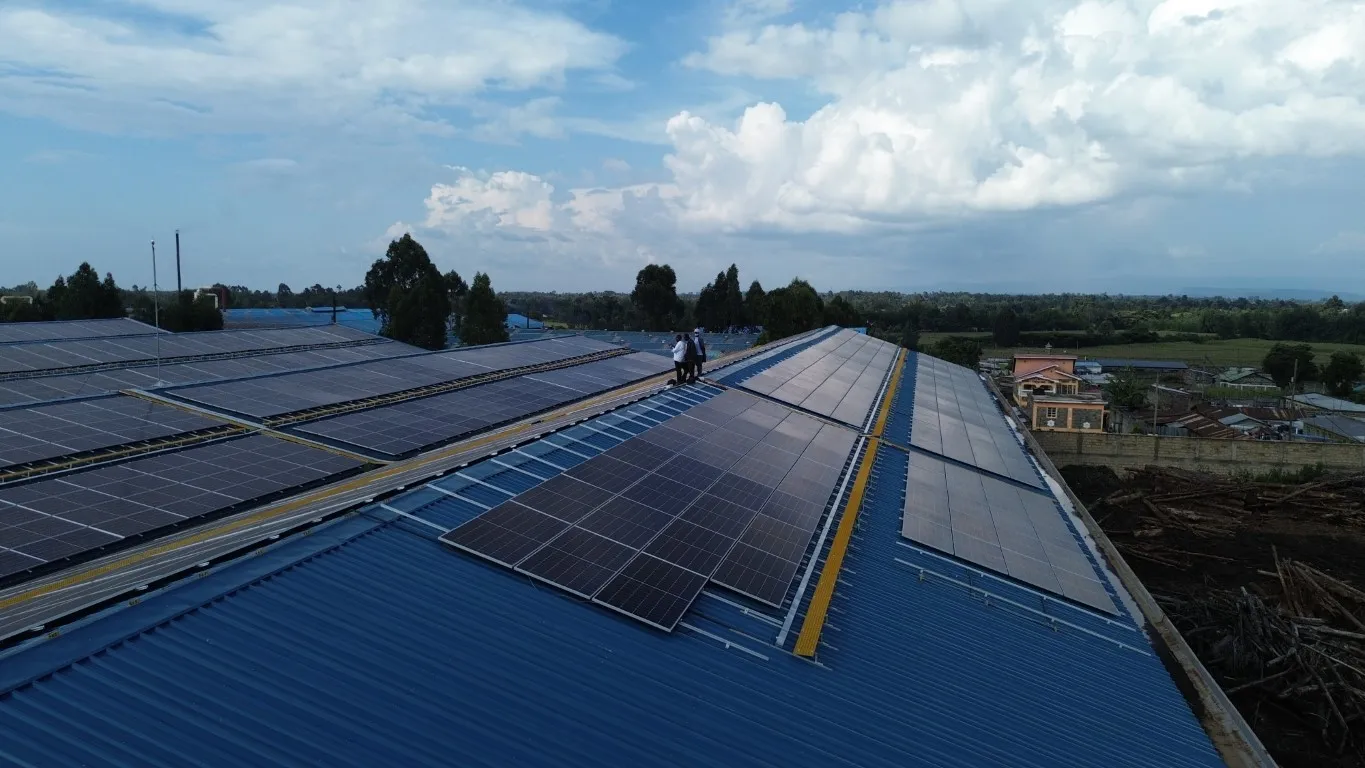
To transform business efficiency with advanced solar power systems is to embrace a future of precision and stability. This transition is not merely about saving money; it is about refining how your company utilizes its most critical resource.
[caption id="attachment_2638" align="alignnone" width="300"] DCIM100MEDIADJI_0173.JPG[/caption]
Streamlining Operational Costs
The most direct impact of this technology is the immediate reduction in wasted capital. High electricity bills are often the result of inefficient grid reliance and peak-hour pricing.
When you transform business efficiency with advanced solar power systems, you gain access to a predictable energy source. Therefore, your finance team can forecast overheads with surgical accuracy.
By producing power on-site, you eliminate the transmission losses and fees associated with traditional providers. This creates a leaner, more agile business model that can respond quickly to market changes.
Enhancing Performance with Smart Technology
Advanced solar setups are much more than just panels on a roof. Specifically, modern systems utilize Artificial Intelligence to manage load distribution across your facility.
This means the system can automatically prioritize power for critical machinery during peak sunlight hours. Furthermore, companies like Spenomatic Solar provide sophisticated monitoring tools that track efficiency in real-time.
These data-driven insights allow managers to identify energy leaks and optimize production schedules. As a result, you transform business efficiency with advanced solar power systems by making every kilowatt work harder for you.
Reliability Through Power Stabilization
Inconsistent power supply is a major threat to industrial efficiency. Voltage fluctuations can damage sensitive electronics and lead to expensive repairs or downtime.
Advanced solar inverters act as a buffer between your equipment and the grid. They provide a steady, clean flow of electricity that protects your assets. Consequently, this extends the lifespan of your industrial hardware.
By integrating high-capacity battery storage, you ensure that your efficiency does not drop during a grid failure. This seamless continuity is a hallmark of a truly modern, efficient enterprise.
Strengthening Corporate ESG Profiles
Efficiency is also measured by how well a company uses its environmental resources. Today, the Energy and Petroleum Regulatory Authority (EPRA) encourages businesses to adopt sustainable practices.
You transform business efficiency with advanced solar power systems by reducing your overall carbon footprint. This alignment with global sustainability goals makes your company more attractive to high-value partners.
A green business is an efficient business. By utilizing the abundant Kenyan sun, you demonstrate that your brand is capable of maximizing natural assets while minimizing environmental waste.
Future-Proofing for Global Competition
The global marketplace is shifting toward decentralized energy models. Businesses that lag behind in energy technology often find themselves burdened by outdated, expensive processes.
Adopting advanced solar now gives you a significant head start. It allows you to participate in the global renewable energy transition from a position of strength.
This proactive approach ensures that your efficiency gains are locked in for the next twenty-five years. Ultimately, it is about building a business that is as resilient as it is productive.
Conclusion
Efficiency is the heartbeat of a successful company. To transform business efficiency with advanced solar power systems is to give your organization the best possible chance to thrive. The rewards include lower costs, better equipment performance, and a stronger brand reputation. The sun provides the energy; advanced technology provides the efficiency. It is time to merge the two for a brighter corporate future.
Frequently Asked Questions
1. How does solar technology improve daily operational efficiency?
It provides a stable, predictable power supply that allows for better production scheduling and protection of sensitive machinery.
2. Can I monitor the efficiency of my solar system remotely?
Yes. Most advanced systems include mobile and desktop platforms that provide real-time data on energy production and consumption patterns.
3. What is the role of AI in advanced solar systems?
AI helps in "load shifting," which automatically directs solar power to your most energy-intensive tasks when production is at its highest.
4. How does solar impact the lifespan of my electrical equipment?
By providing a stable voltage and reducing reliance on a fluctuating grid, solar inverters help prevent the wear and tear caused by power surges.
5. Is it easy to upgrade an existing solar system to an "advanced" one?
Yes. Professional teams can often integrate smart meters, better inverters, and battery storage into existing setups to boost their overall efficiency.