
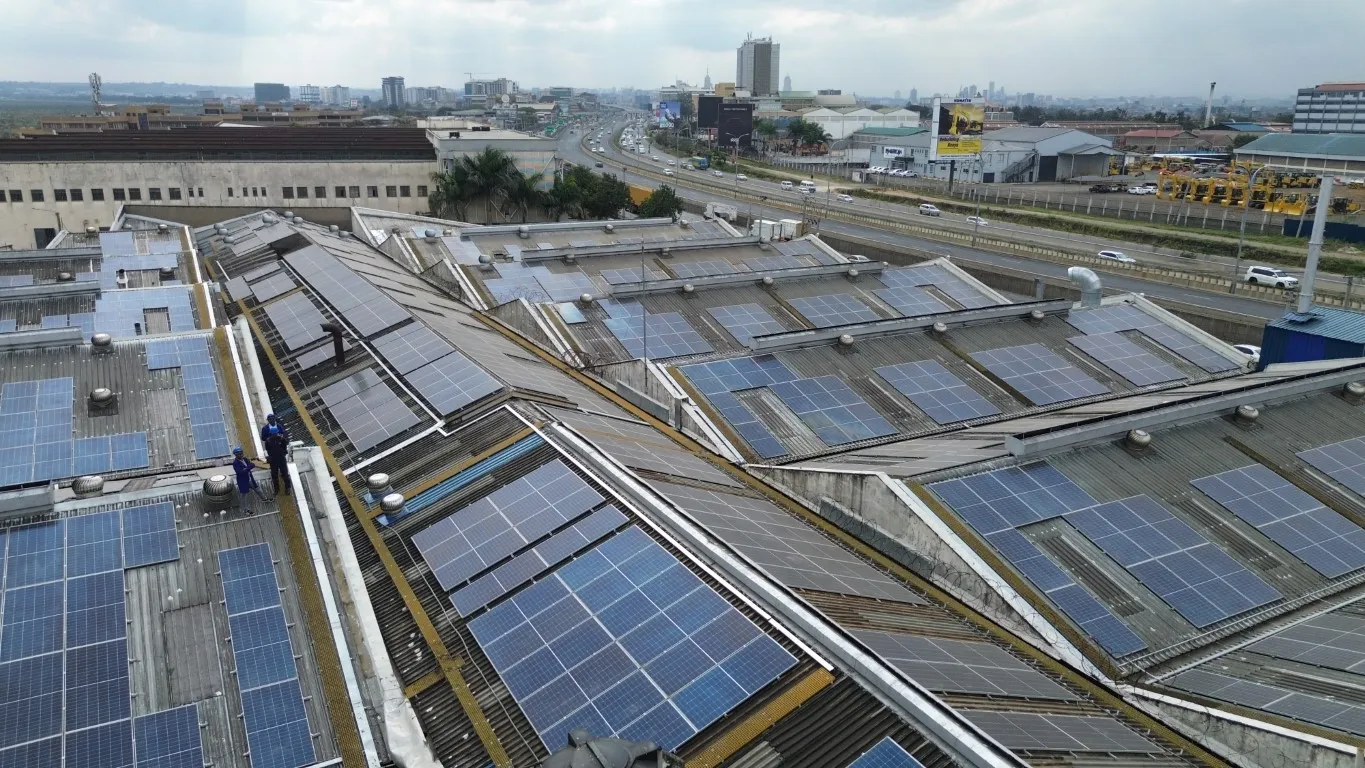
 DCIM100MEDIADJI_0053.JPG[/caption]
In the competitive Kenyan business environment of 2026, operational efficiency is the dividing line between stagnation and growth. As electricity tariffs continue to climb, savvy entrepreneurs are looking for ways to protect their margins.
One of the most effective strategies today is to boost profits using reliable commercial solar power solutions. By transitioning to a cleaner energy source, companies are transforming a traditionally high overhead cost into a source of long-term savings.
Cutting Overhead Through Energy Independence
Electricity expenses often represent a significant portion of a company's monthly outgoings. In Nairobi and other industrial hubs, these costs can fluctuate wildly due to fuel cost adjustments and forex levies.
When you choose to boost profits using reliable commercial solar power solutions, you are taking control of your energy destiny. Generating your own power on-site means you are less reliant on the national grid and its unpredictable pricing.
Recent data shows that businesses utilizing Spenomatic Solar systems can reduce their daytime electricity bills by as much as 50%. This immediate reduction in operating expenses flows directly to the bottom line, increasing the capital available for reinvestment.
Protecting Your Bottom Line from Power Disruptions
For many Kenyan industries, the cost of power is not just about the bill; it is about the cost of downtime. A single hour of lost production due to a blackout can cost a medium-sized factory hundreds of thousands of shillings.
Reliable solar systems, especially those paired with modern battery storage, provide a shield against these disruptions. This ensures that your production lines, cold storage, and digital infrastructure remain active regardless of grid status.
By avoiding the losses associated with machine restarts and spoiled inventory, you naturally boost profits using reliable commercial solar power solutions. It is about creating a stable environment where your team can perform without interruption.
Maximizing ROI with Smart Engineering
The financial logic behind solar has never been stronger. In 2026, the average return on investment for a commercial solar project in East Africa is achieved in just three to five years.
This rapid payback is driven by high-efficiency Tier 1 panels and innovative system designs. Modern engineering ensures that every square meter of your roof or land is optimized to capture the maximum amount of Kenyan sunlight.
Experts at EPRA note that the regulatory environment is becoming increasingly supportive of private energy generation. This, combined with VAT exemptions on solar components, significantly lowers the entry barrier for ambitious businesses.
Leveraging Sustainability for Competitive Advantage
Modern profitability is increasingly linked to brand reputation. Today's partners and investors look closely at a company's Environmental, Social, and Governance (ESG) performance before committing to long-term deals.
Implementing green technology allows you to boost profits using reliable commercial solar power solutions by attracting eco-conscious clients. It positions your brand as a forward-thinking leader in the regional transition toward sustainable energy development.
This "green premium" can open doors to international markets and specialized financing that are closed to carbon-intensive businesses. Being a sustainable brand is no longer just about the environment; it is a powerful marketing and financial tool.
Minimizing Long-Term Maintenance Costs
One of the misconceptions about industrial solar is that it requires constant, expensive care. In reality, modern commercial systems have designes for extreme durability with minimal moving parts.
With professional monitoring and occasional cleaning, these systems operate at peak performance for decades. This low maintenance requirement ensures that your savings remain consistent over the long term.
Companies can now access real-time performance data through digital platforms, as highlighted by IRENA's latest technology reports. This allows management to see exactly how much they are saving every single day, making energy management a transparent part of the business.
The Strategic Path Forward
Taking the step toward solar is a move toward permanent cost reduction. It is a one-time investment that pays dividends for twenty-five years or more, providing a level of financial certainty that few other assets can offer.
As we look toward the second half of 2026, the shift toward renewable energy is accelerating. Businesses that act now are securing a significant head start over their competitors who remain tethered to the rising costs of the traditional grid.
Ultimately, the goal of any business is to grow sustainably. By choosing to boost profits using reliable commercial solar power solutions, you are ensuring that your company is ready for the challenges and opportunities of the future.
Conclusion
The sun is Kenya's most abundant natural resource, and it is waiting to be harnessed. Converting this sunlight into power is the most logical financial decision a modern business owner can make.
Reliable solar solutions offer a rare combination of immediate relief and long-term security. They empower you to reduce waste, increase uptime, and build a brand that stands for progress. The time to switch is now, and the rewards are clear.
Frequently Asked Questions
1. How does solar energy directly impact my business profit margins?
By slashing your monthly utility bills and preventing costly downtime, solar energy significantly reduces your overhead, leaving more revenue as pure profit.
2. What kind of businesses benefit most from commercial solar?
Any business with high daytime energy usage, such as factories, shopping malls, flower farms, and cold storage facilities, sees the fastest and highest returns.
3. Are there tax incentives for Kenyan businesses going solar?
Yes, the Kenyan government provides various incentives, including VAT exemptions on specific solar equipment and capital allowances for green energy investments.
4. Can solar systems handle heavy industrial machinery?
Absolutely. Modern commercial systems have engineering to provide high-voltage power suitable for manufacturing plants and heavy-duty industrial equipment.
5. How long will a commercial solar system last?
High-quality solar panels typically come with a 25-year performance warranty, and the systems often continue producing power well beyond that timeframe.