
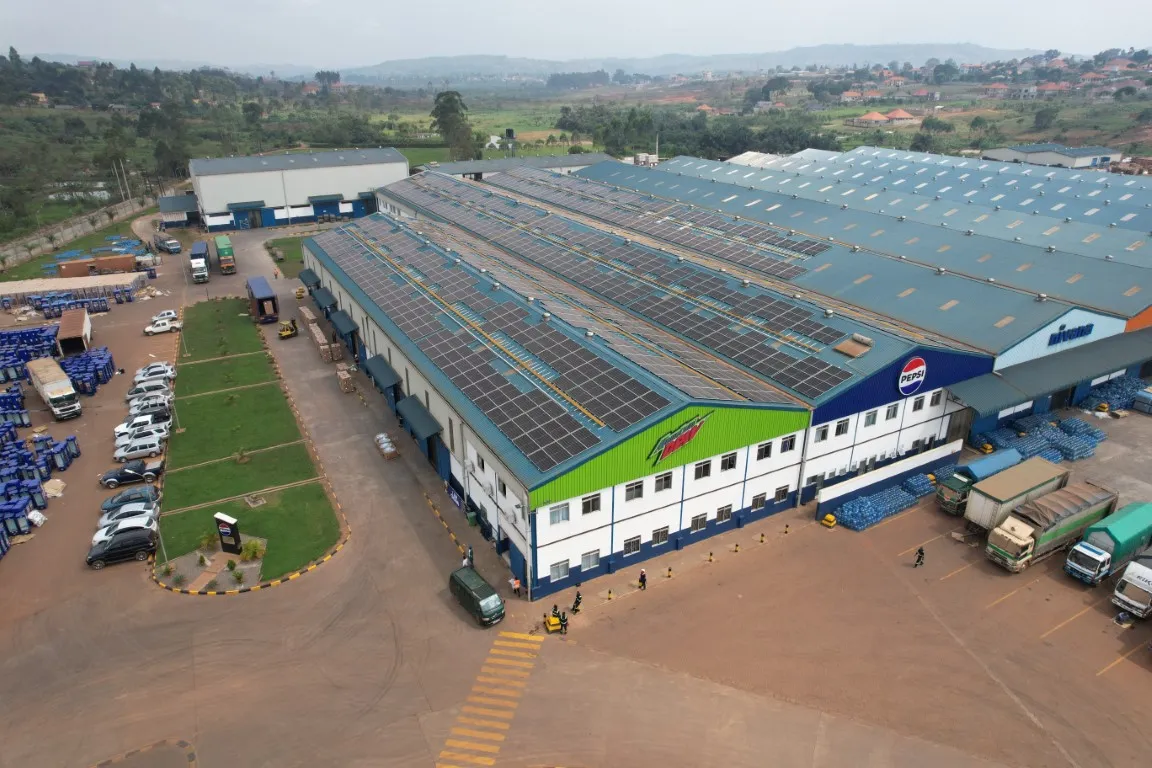
As electricity costs continue to rise, more businesses are exploring solar energy as a way to reduce operating expenses and improve long-term financial performance. From manufacturing facilities and warehouses to office buildings, shopping centers, hotels, and agricultural operations, commercial solar installations are becoming increasingly common across Kenya.
One of the first questions decision-makers ask is simple:
How long does commercial solar take to pay for itself?
The answer is not always straightforward. While many businesses focus solely on the initial installation cost, the true value of solar comes from the savings, operational benefits, and financial returns generated over many years.
Understanding commercial solar payback helps businesses make informed investment decisions and set realistic expectations. Rather than viewing solar as an expense, successful organizations see it as a long-term asset that can reduce energy costs, improve resilience, and strengthen profitability.

What Is Commercial Solar Payback?
Commercial solar payback refers to the period required for the savings generated by a solar energy system to equal the original cost of purchasing and installing that system.
For example, if a business invests KES 5 million in a solar installation and saves KES 1 million annually on electricity expenses, the estimated payback period would be approximately five years.
Once the system has recovered its installation cost, the ongoing energy savings contribute directly to the organization’s financial performance.
This is why commercial solar is often viewed as an investment rather than a simple operational expense.
Why Businesses Are Investing in Solar
The popularity of commercial solar continues to grow for several reasons.
Businesses are facing:
- Rising electricity costs
- Pressure to improve operational efficiency
- Sustainability expectations
- Growing energy demands
- The need for predictable operating expenses
Solar energy helps address all of these challenges.
By generating electricity on-site, businesses reduce their dependence on utility providers and gain greater control over long-term energy costs.
In many cases, solar becomes one of the most effective ways to improve financial predictability.
Factors That Affect Commercial Solar Payback
No two businesses will have exactly the same solar payback period.
Several factors influence how quickly an organization recovers its investment.
Electricity Consumption
Businesses with high energy consumption often achieve faster payback periods. The more electricity a facility uses during daylight hours, the more solar-generated energy can be utilized directly. This increases savings and improves overall return on investment.
System Size
The size of the solar installation affects both upfront costs and energy production. A properly designed system should align with the facility’s operational requirements and energy usage patterns. Oversized systems may increase investment costs unnecessarily, while undersized systems may not maximize potential savings.
Electricity Tariffs
Higher electricity costs generally improve the economics of solar energy. As utility rates increase, the value of solar-generated electricity also increases. This means solar investments often become more attractive over time.
Operational Hours
Facilities that operate during daylight hours can usually take advantage of a larger percentage of the electricity generated by their solar systems. Warehouses, factories, offices, schools, and retail facilities often benefit significantly from daytime solar production.
Future Energy Costs
One of the most overlooked aspects of commercial solar payback is future electricity pricing. Many calculations focus only on current tariffs. However, if electricity prices rise in the future, solar savings may increase as well, potentially shortening the effective payback period.
Looking Beyond the Payback Period
While payback is an important metric, it should not be the only factor businesses consider. A solar system often continues generating electricity for 25 years or more. This means organizations can continue benefiting from reduced energy costs long after the initial investment has been recovered.
For example, a system that pays for itself in six years may continue generating savings for nearly two decades afterward. The long-term value often exceeds the significance of the payback period itself. Forward-thinking businesses evaluate solar based on total lifetime returns rather than short-term recovery timelines.
Reducing Operating Costs
Energy is a recurring expense that affects nearly every business. Unlike many operational costs, electricity expenses can often be reduced significantly through solar energy. Every unit of solar-generated electricity helps offset electricity purchased from the grid.
Over time, these savings can:
- Improve profit margins
- Increase cash flow
- Strengthen competitiveness
- Support business growth
- Reduce operating risks
For businesses seeking long-term financial efficiency, solar provides a practical and measurable solution.
Commercial Solar and Sustainability Goals
Sustainability is becoming increasingly important across industries. Customers, investors, business partners, and regulators are paying closer attention to environmental performance. Solar energy supports sustainability initiatives by reducing reliance on conventional electricity sources and lowering carbon emissions.
Organizations such as the International Renewable Energy Agency (IRENA) continue to identify solar energy as a key driver of sustainable economic development and industrial growth. For many businesses, solar investments support both financial and environmental objectives simultaneously.
Energy Security Creates Additional Value
Commercial solar is not only about reducing costs. It can also improve energy security. When combined with battery storage systems, solar installations can help businesses maintain critical operations during power disruptions.
This can be especially valuable for facilities that depend on:
- Continuous production
- Data systems
- Refrigeration
- Security infrastructure
- Customer-facing services
The ability to maintain operations during outages creates value that may not be fully reflected in standard payback calculations.
For many organizations, operational continuity is just as important as direct financial savings.
Common Misconceptions About Solar Payback
Many businesses delay solar investments because of misconceptions about costs and returns.
“Solar Takes Too Long to Pay Back”
While payback periods vary, modern solar technology continues to become more efficient and cost-effective. Many commercial systems generate meaningful savings from the first month of operation.
“Only Large Businesses Benefit”
Commercial solar can provide value for businesses of many sizes, including offices, retail stores, warehouses, schools, farms, and hospitality facilities.
“Solar Is Only About Environmental Benefits”
While sustainability is important, financial savings remain one of the primary reasons businesses invest in solar energy. Understanding these realities helps organizations evaluate solar opportunities more accurately.
The Importance of Professional System Design
Achieving strong financial returns requires proper planning. A poorly designed system may underperform, reducing energy savings and extending the payback period.
Professional assessments help ensure the system aligns with:
- Energy consumption patterns
- Facility characteristics
- Future growth plans
- Budget objectives
- Operational priorities
Careful planning maximizes both performance and return on investment.
Conclusion
Understanding commercial solar payback is essential for businesses evaluating renewable energy investments. While the exact payback period varies depending on energy consumption, system size, electricity costs, and operational requirements, commercial solar often delivers value far beyond simple cost recovery.
Lower electricity expenses, improved energy predictability, enhanced sustainability performance, and greater energy security all contribute to the long-term business case for solar energy. The most successful organizations focus not only on when the system pays for itself but also on the decades of savings that follow.
As more Kenyan businesses seek ways to improve efficiency and manage rising energy costs, solar continues to emerge as a strategic investment. Spenomatic Solar supports organizations with tailored commercial solar solutions designed to maximize energy savings, improve operational performance, and deliver long-term value.
For many businesses, the question is no longer whether solar is worth the investment. The real question is how much opportunity is being missed by waiting.
Frequently Asked Questions (FAQs)
1. What is commercial solar payback?
Commercial solar payback is the amount of time required for energy savings generated by a solar system to equal the original installation cost.
2. How long does commercial solar typically take to pay for itself?
The payback period varies depending on electricity consumption, system size, energy costs, and operating patterns. Businesses with high daytime electricity usage often experience faster returns.
3. Does commercial solar reduce operating costs?
Yes. Solar energy reduces dependence on grid electricity, helping businesses lower monthly energy expenses and improve profitability.
4. Can commercial solar improve energy security?
When combined with battery storage, commercial solar can provide backup power and help maintain critical operations during outages.
5. Is solar a good long-term investment for businesses?
For many organizations, solar provides decades of energy savings, greater cost predictability, sustainability benefits, and improved operational resilience.