Case study

Commercial and industrial solar EPC
Turnkey solar EPC for factories, warehouses, mines, data centres and multi-site industrial groups.
Spenomatic provides commercial and industrial solar installation services in Kenya, combining site assessment, engineering, procurement, construction, commissioning and lifecycle support for scalable solar power infrastructure.
Solar portfolio across Africa
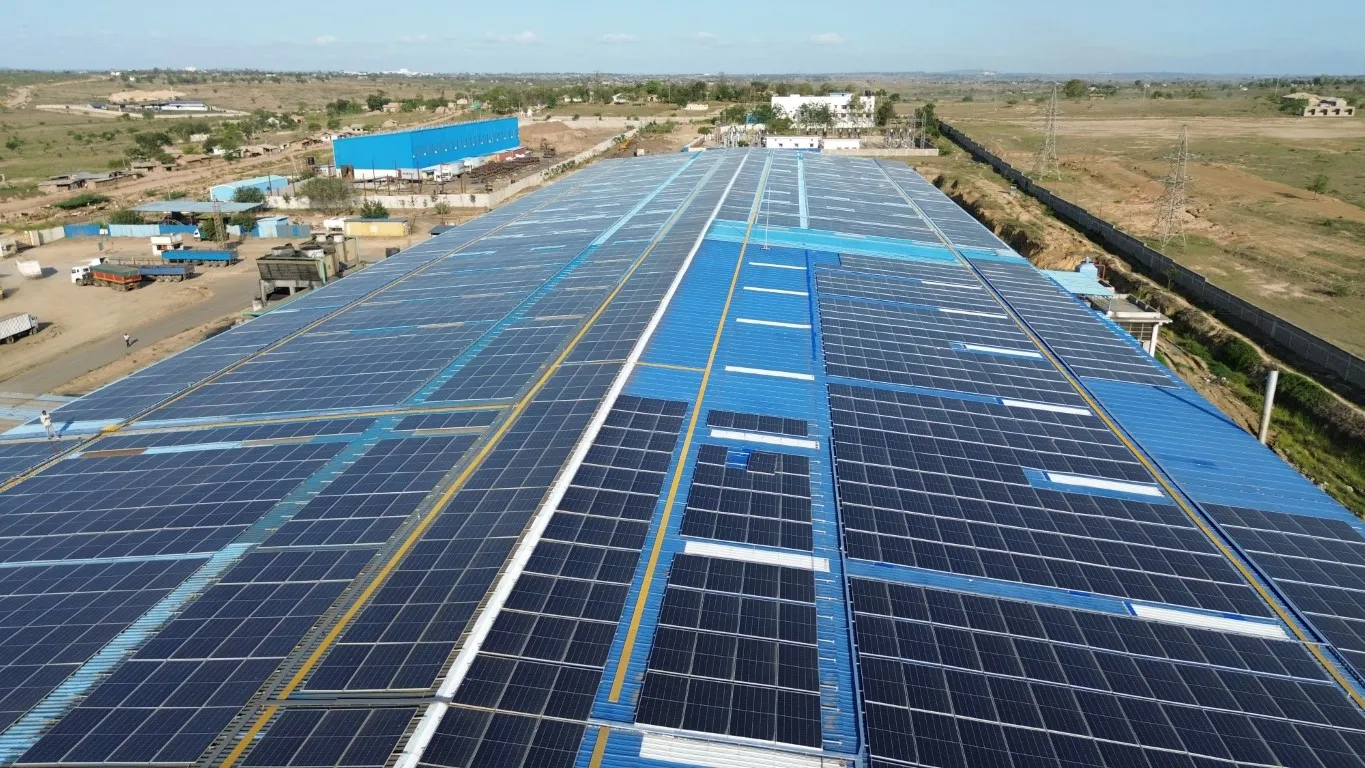
See how the portfolio extends across countries, industries and project environments—connecting regional reach with practical commercial and industrial solar delivery.
Energy is no longer simply a utility expense.
For manufacturers, mines, data centres and other energy-intensive businesses, electricity directly affects production cost, plant availability, capacity utilisation, competitiveness and investment decisions.
The International Energy Agency reported in World Energy Investment 2025 that private-sector clean-energy investment in Africa increased from approximately US$17 billion in 2019 to almost US$40 billion in 2024.
The IEA also reports that solar PV has become the least-cost source of electricity in many African countries.
At the same time, electricity reliability remains a significant constraint on African businesses. World Bank research links unreliable electricity with weaker firm performance, reduced investment, lower business entry and increased risk of firm exit.
The industrial energy question is therefore changing.
It is no longer simply:
“Should we install solar?”
The more strategic questions are:
How much of our load can economically be supplied on-site?
How should solar interact with the grid, generators, batteries and other generation assets?
Can energy storage reduce exposure to outages, peaks or unstable supply?
Should we own the infrastructure or use a financed energy model?
How will future factory expansion change the required system capacity?
What electrical infrastructure must be upgraded before additional generation is connected?
What is the lowest-risk route to reducing long-term energy cost?
That is where industrial energy engineering becomes more valuable than simply buying equipment.
Kenya provides a useful illustration of how quickly captive renewable power is moving from an alternative energy source toward mainstream industrial infrastructure.
According to Kenya's Energy and Petroleum Regulatory Authority statistics for the financial year ending June 2025:
| Indicator | Installed Capacity |
|---|---|
| Total renewable energy capacity | 2,930.2 MW |
| Captive renewable energy | 499.0 MW |
| Captive solar PV | 300.5 MW |
| Total solar capacity | 514.1 MW |
| Total renewable share of installed capacity | 80.48% |
Captive solar therefore represented approximately 60% of Kenya's captive renewable capacity by June 2025.
This matters for industrial decision-makers.
It suggests that on-site renewable generation is no longer an experimental sustainability initiative. It is increasingly becoming part of how African businesses think about energy procurement, operating cost and resilience.
Spenomatic has participated directly in this transition.
Across its African project portfolio, the Group reports more than 162 MWp of C&I solar PV installed across 150+ sites, giving Spenomatic first-hand engineering experience across different facility types, load profiles, industries, climates and project sizes.
Industrial solar EPC is the end-to-end engineering, procurement and construction of solar power infrastructure designed specifically for industrial and large commercial energy users.
Unlike a standard solar installation, an industrial EPC project can involve:
The objective is not to maximise the number of panels installed.
The objective is to engineer the right energy system for the facility's operational, financial and reliability requirements.
An industrial facility is an interconnected energy system.
Production equipment, motors, compressors, HVAC systems, process heating, pumps, refrigeration, data infrastructure, grid electricity, generators, solar PV and battery storage can all interact.
Changing one part affects another.
That is why Spenomatic approaches large-scale industrial solar from a broader industrial-energy perspective.
Industrial Load
↓
Load & Power Quality Analysis
↓
Solar Resource + Site Analysis
↓
Solar PV Generation
↓
Battery Energy Storage
↓
Grid + Generator + Hybrid Integration
↓
Electrical Infrastructure
↓
Energy Management & Controls
↓
Production Loads
↓
Monitoring + Optimisation + O&M
The resulting solution can combine multiple technologies instead of forcing every project into the same configuration.
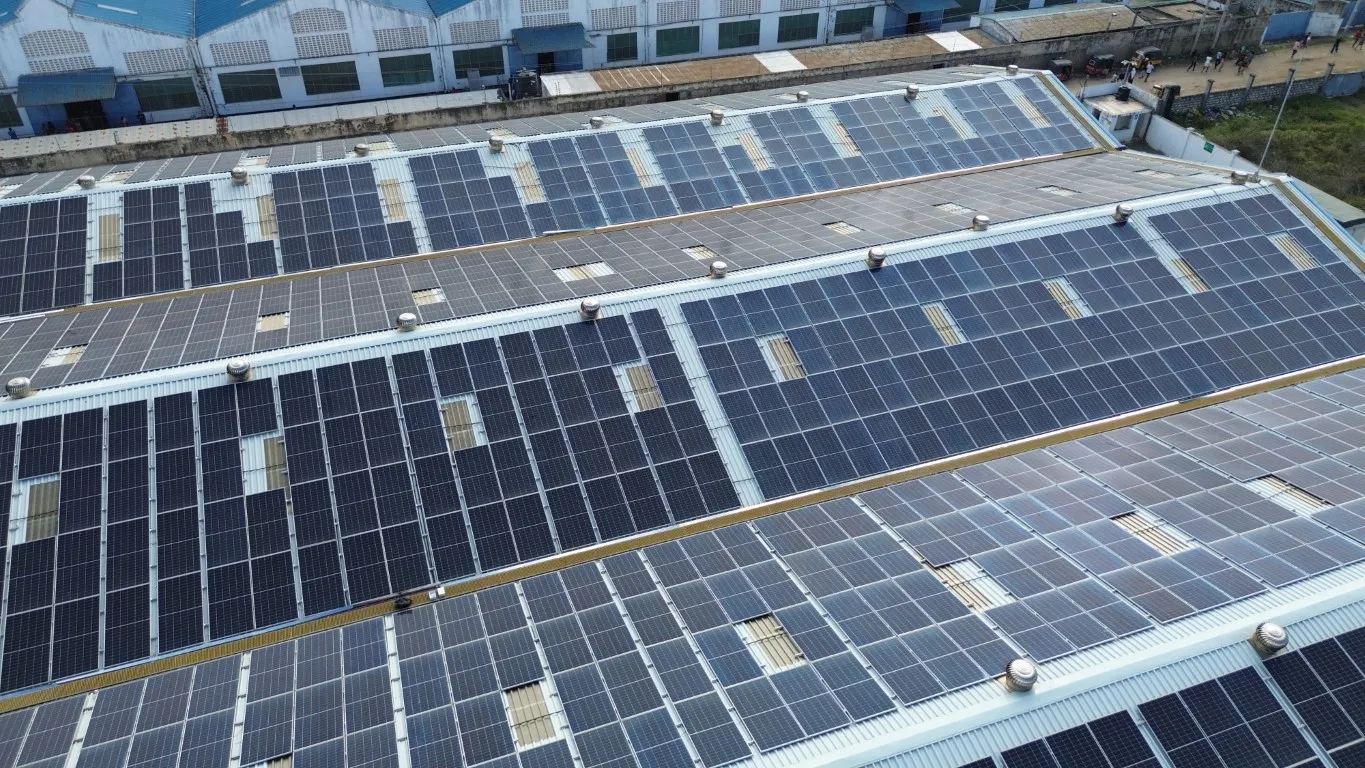
Large C&I systems require coordinated structural, electrical, construction and operational planning—not only module installation.
Every serious industrial solar project should begin with the load.
Spenomatic evaluates electricity consumption patterns to establish when, where and how energy is being used.
Analysis may consider:
This allows system capacity to be matched to actual industrial demand rather than simply available roof or land area.
A technically viable project must also match the physical site.
Our assessment considers factors such as:
The objective is to identify the configuration capable of delivering strong long-term energy performance without compromising industrial operations.
Large energy projects frequently require substantial work before construction begins.
Spenomatic supports project development from concept toward an investment-ready engineering solution.
This can include:
Opportunity identification → feasibility → technical concept → energy modelling → commercial modelling → financing structure → engineering → procurement → construction → commissioning → operation
This development capability is particularly important for governments, utilities, IPPs, infrastructure developers and large industrial groups evaluating multi-site or multi-megawatt programmes.
Industrial solar plants must function as electrical infrastructure.
Our engineering teams develop project-specific designs covering applicable requirements such as:
Engineering decisions are made around the operating requirements of the facility rather than around a predetermined equipment package.
Equipment selection has a direct effect on energy yield, plant availability, maintenance requirements and lifetime economics.
Spenomatic's procurement model evaluates technologies based on the technical requirements of each project.
Depending on project architecture, procurement can cover:
Spenomatic's wider procurement scale and technology relationships also support competitive sourcing for large projects.
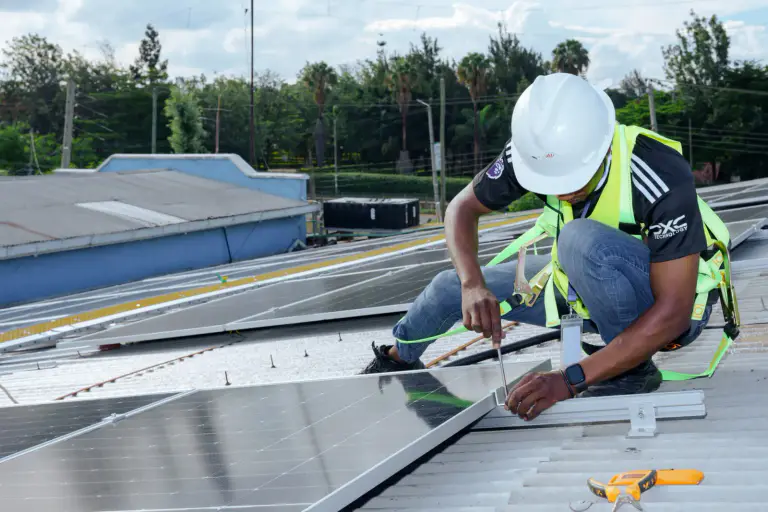
Moving from engineering drawings to a functioning multi-megawatt power plant requires disciplined construction management.
Spenomatic coordinates:
For operating factories, construction planning must also minimise disruption to production.
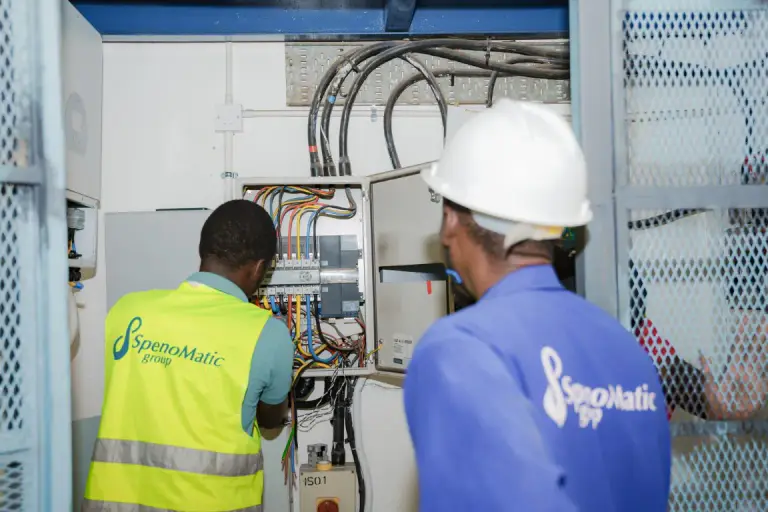
Commissioning verifies that the installed plant performs safely and according to its engineering design.
Depending on project scope, commissioning can include:
The result is not simply a completed installation.
It is an operational power asset.
A solar power plant may operate for decades.
Long-term performance therefore depends on what happens after commissioning.
Spenomatic's Operations & Maintenance approach can cover:
The goal is to protect energy yield, reliability and asset value throughout the operating life of the system.
Solar PV generates electricity when solar resources are available.
Industrial operations often need power beyond those hours.
Battery Energy Storage Systems allow electricity to be stored and dispatched according to operational requirements.
Spenomatic reports more than 12.5 MWh of installed battery energy storage capacity, complementing its solar and wider electrical engineering capabilities.
Depending on the site and system architecture, industrial BESS can support:
The correct battery size cannot be determined from solar capacity alone.
It requires analysis of the load profile, outage characteristics, required backup duration, available generation, critical loads, tariff structure, operating strategy and battery economics.
For many African industrial sites, the strongest energy solution is not a single technology.
It is a coordinated hybrid architecture.
Provides the existing electricity supply.
Produces lower-carbon electricity on site during available solar hours.
Stores and dispatches electricity according to the operating strategy.
Can provide additional backup where required.
Coordinate how the different power sources interact with industrial loads.
The result can be designed around three priorities:
Cost. Reliability. Decarbonisation.
The weighting of those priorities differs from one facility to another.
That is why engineering must come before equipment selection.
Power reliability is ultimately a production issue.
An outage can affect far more than the electricity consumed during the interruption.
Depending on the industrial process, unreliable supply can cause:
World Bank research has repeatedly identified electricity reliability as an important constraint on firm productivity and industrial development across Sub-Saharan Africa.
For critical industrial operations, the business case for energy infrastructure should therefore evaluate more than the cost per kilowatt-hour.
It should consider the economic value of reliable production.
A strong industrial energy strategy considers both supply and demand.
Spenomatic's wider industrial engineering capabilities allow energy projects to be evaluated in the context of:
The goal is to identify where energy can be:
reduced, recovered, replaced, generated more efficiently, stored or managed differently.
This broader approach can improve project economics because the lowest-cost unit of energy is often the unit that does not need to be generated in the first place.
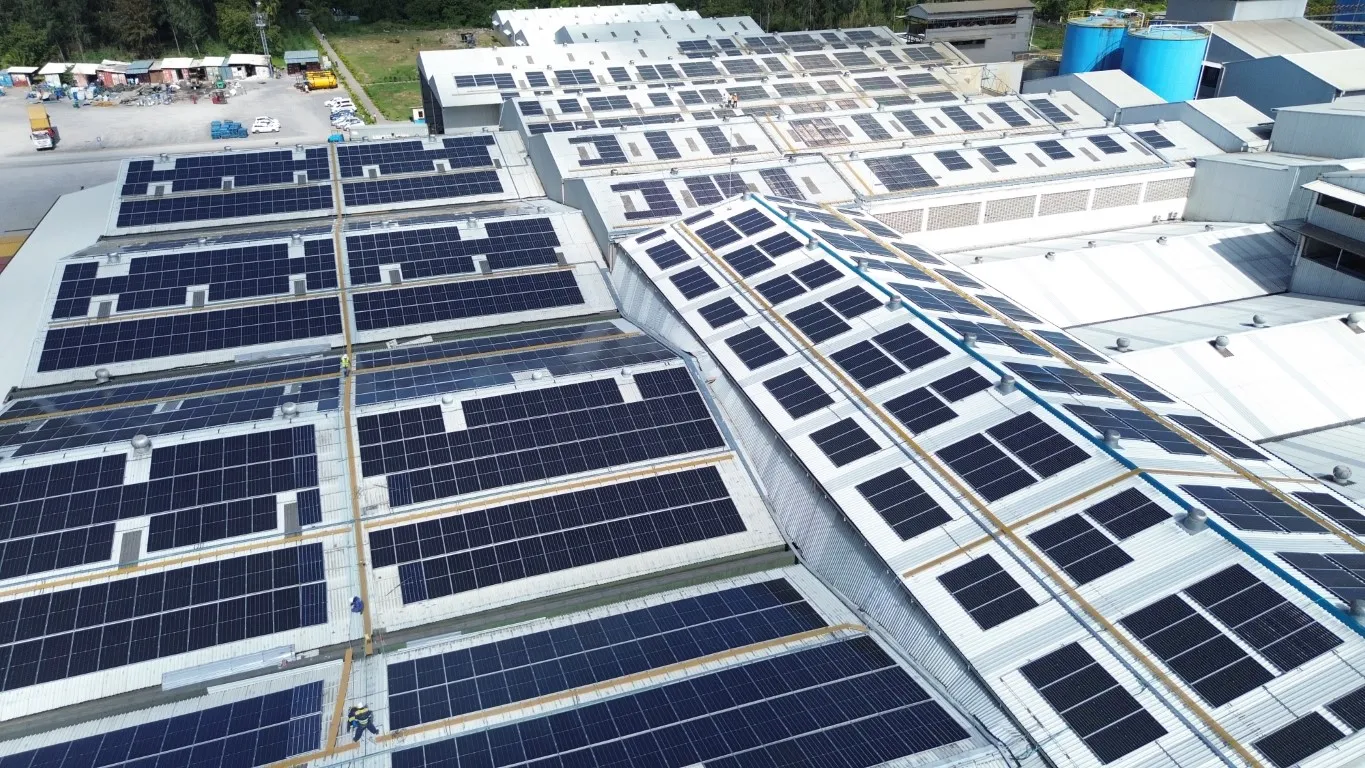
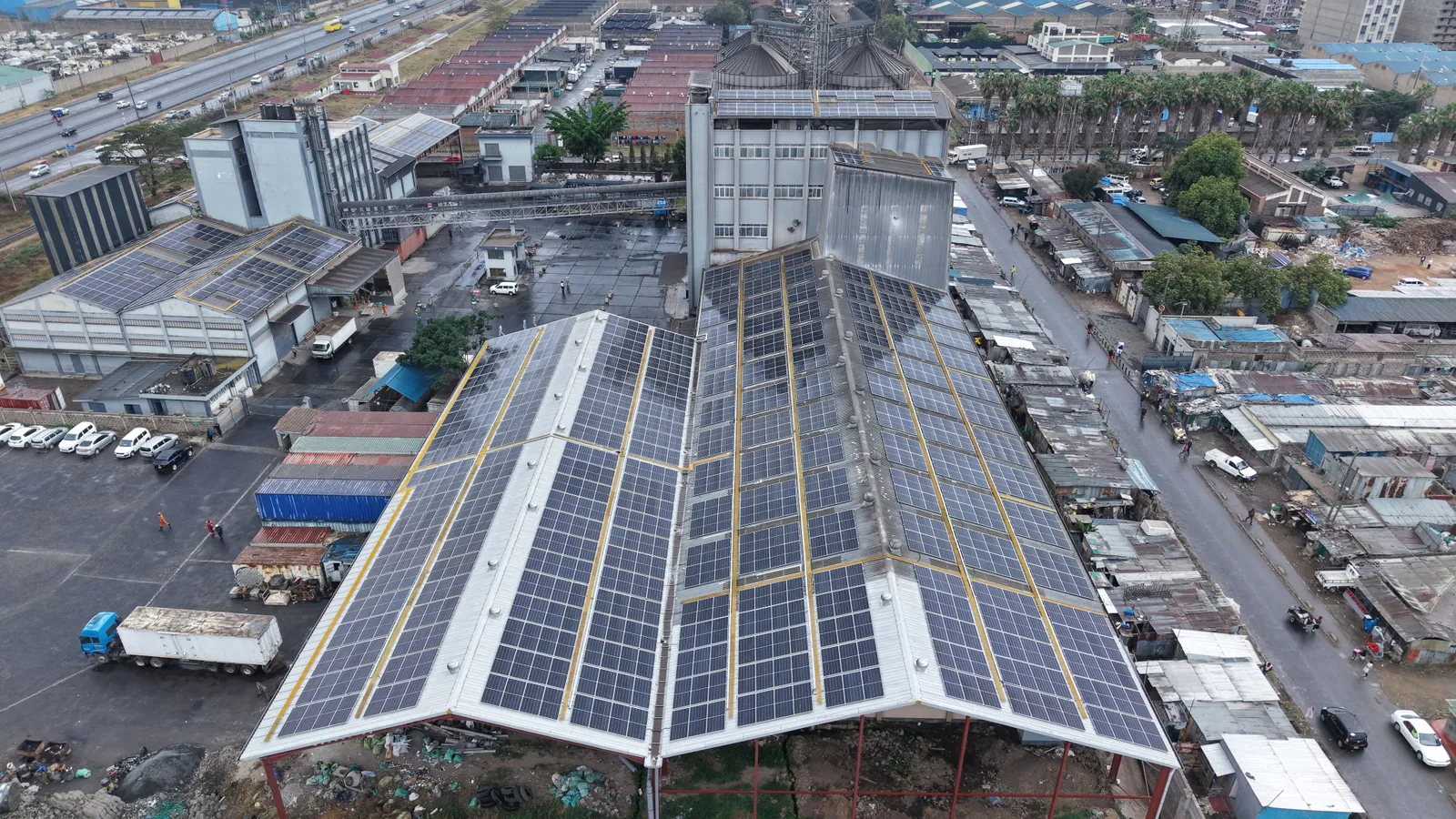
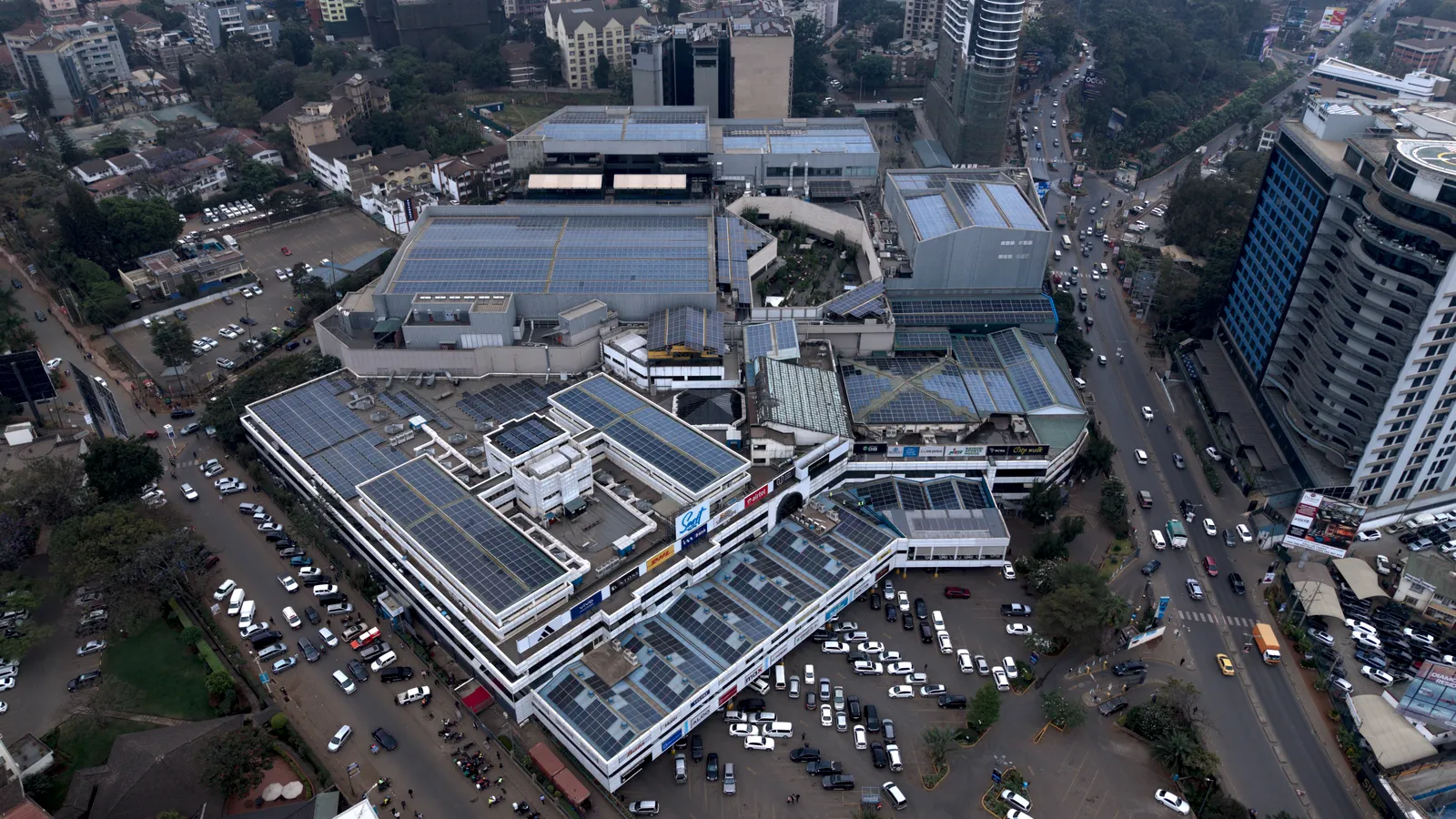
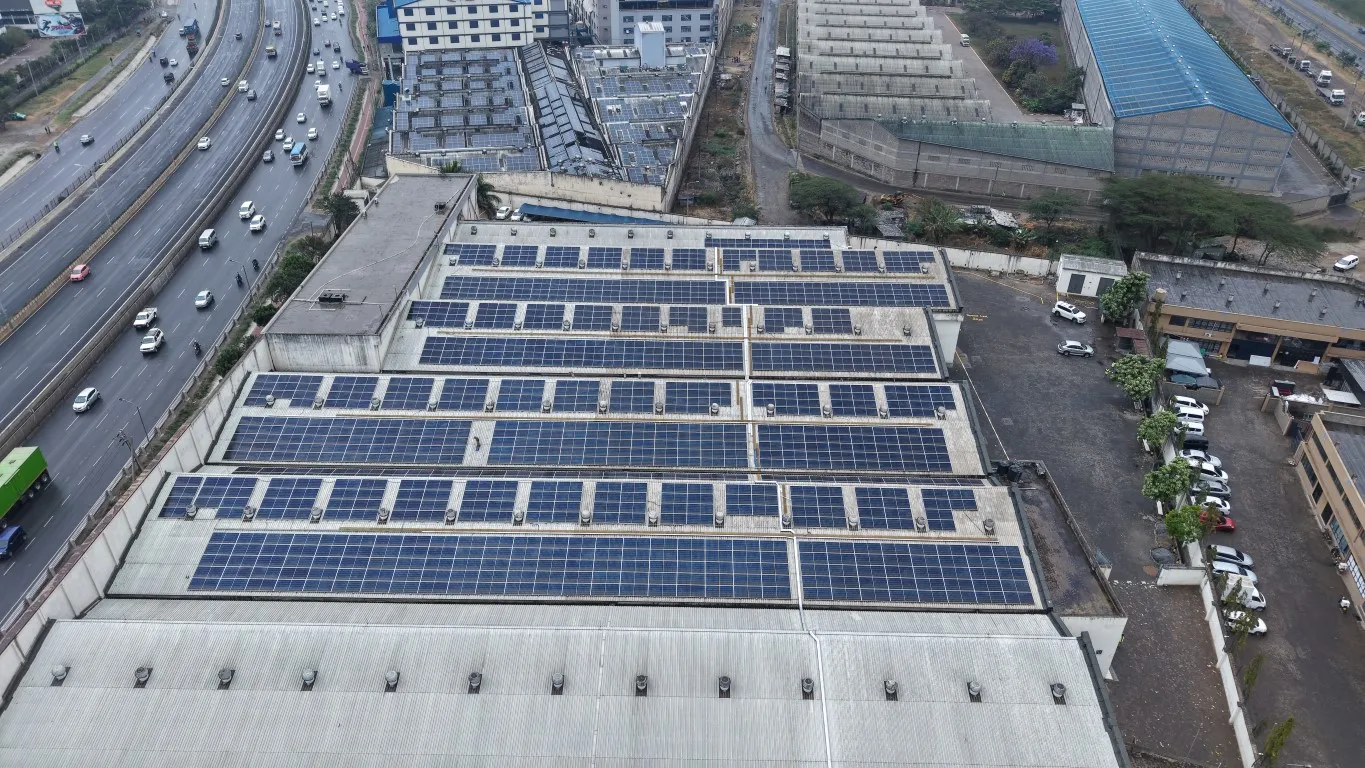
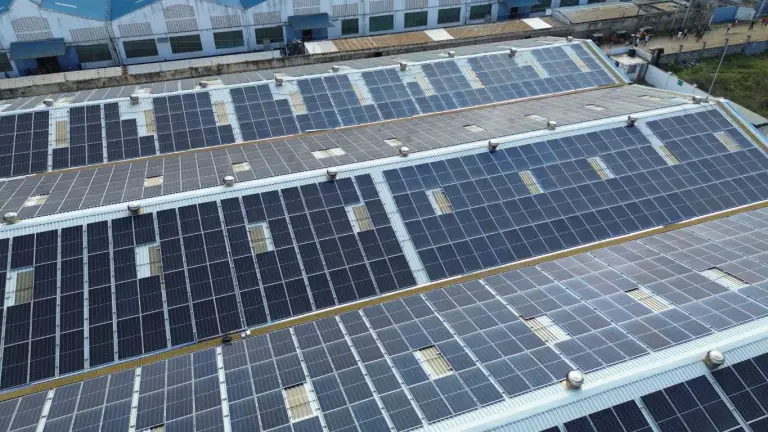
Multiple roof zones, production schedules and electrical interfaces are brought together within one engineered delivery plan.
Manufacturing is one of the strongest applications for C&I solar because many factories consume substantial electricity during daylight production hours.
Spenomatic has delivered solar projects for industries including:
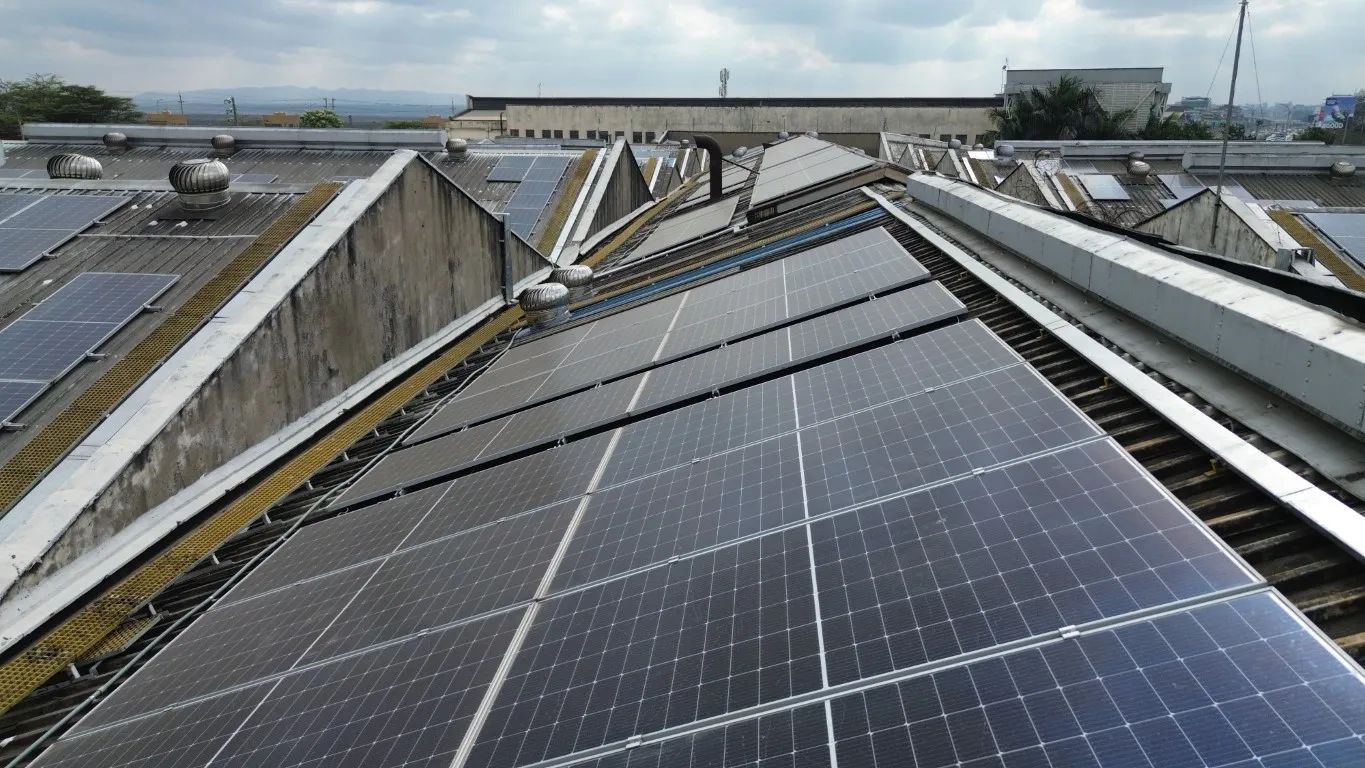
Publicly documented Spenomatic projects include installations such as:
| Industry | Location | Solar Capacity |
|---|---|---|
| Steel manufacturing | Kisumu & Mombasa, Kenya | 17.2 MWp |
| Tea processing | Two manufacturing sites | 2.4 MW |
| Rubber/footwear manufacturing | Mombasa, Kenya | 2.2 MWp |
| Food manufacturing | Coastal Kenya | 1.5 MWp |
| Sawmilling | Njoro, Kenya | 1.5 MWp |
| Engineering & manufacturing | Mombasa, Kenya | 1.4 MWp |
| Food & milling | Thika, Kenya | 1.25 MWp |
| Beverage manufacturing | Uganda | 1 MWp |
| Food industry | Nairobi, Kenya | 700 kWp |
These examples demonstrate an important point:
Industrial solar is not one standard system repeated across different factories.
The load, roof, land, electrical infrastructure, production schedule and commercial objectives change from site to site.
The engineering must change with them.
Mining operations can combine large electrical loads with remote locations, expensive conventional generation and demanding reliability requirements.
Potential solutions can combine:
Solar PV + BESS + Grid + Conventional Generation + Power Management
Engineering considerations can include:
For mining companies pursuing decarbonisation, renewable energy must be engineered without compromising operational reliability.
Data centres require a different energy strategy from conventional commercial buildings.
Power availability is fundamental to the product itself.
Industrial energy planning for data centres can therefore consider:
Spenomatic's combination of renewable energy, BESS and electrical infrastructure capabilities creates an integrated engineering approach for data-centre energy requirements.
Spenomatic's EPC capability extends beyond behind-the-meter C&I installations.
For governments, utilities, IPPs and infrastructure developers, projects can require coordinated capability across:
This creates a pathway from project concept to operational infrastructure through a single EPC framework.
Captive power is electricity generated primarily for use by the organisation or facility that produces it rather than exclusively for sale through the public electricity network.
For industrial facilities, captive generation can include:
Kenya's 300.5 MW of captive solar PV capacity as of June 2025 demonstrates the growing role of self-generation within the country's energy system.
For an industrial business, captive power can provide greater control over:
Some industrial operations require both electricity and thermal energy.
For these facilities, evaluating electricity separately from steam or process heat can leave substantial optimisation opportunities unexplored.
Spenomatic's wider energy portfolio includes capabilities in:
This allows the engineering conversation to move from:
“Which solar system should we buy?”
to:
“What is the most technically and economically effective energy architecture for this industrial facility?”
That is a fundamentally different question.
One of the largest barriers to industrial energy infrastructure is often not technical feasibility.
It is capital allocation.
A company may have an attractive solar opportunity while simultaneously needing capital for:
Spenomatic works with financing relationships that can support eligible energy projects through alternative commercial structures.
Depending on project, jurisdiction, credit profile and financing availability, structures may include models designed to reduce or avoid a large initial capital payment.
Potential structures can include:
Financing availability and terms remain subject to project assessment, credit evaluation, jurisdiction and financier approval.
This allows industrial energy infrastructure to be evaluated not simply as a capital purchase but as a long-term energy strategy.
Solar economics should never be reduced to one headline payback figure.
A robust industrial assessment considers multiple variables.
What will the complete system cost to engineer, procure, construct and commission?
How much usable electricity is expected from the system?
How much generated electricity can the facility consume directly?
What grid electricity expenditure can realistically be displaced?
Does production coincide with solar generation?
Does storage provide sufficient operational or financial value?
What is the cost of production interruptions or unreliable supply?
How does project financing affect lifetime economics?
What will it cost to maintain the system over its operating life?
How will generation change as equipment ages?
Will future production increase or change the energy requirement?
How much grid or fossil-derived electricity can be displaced?
The most useful output is therefore not:
“Solar will save X%.”
It is:
“Under these documented assumptions, this particular energy architecture is expected to deliver this technical and financial outcome.”
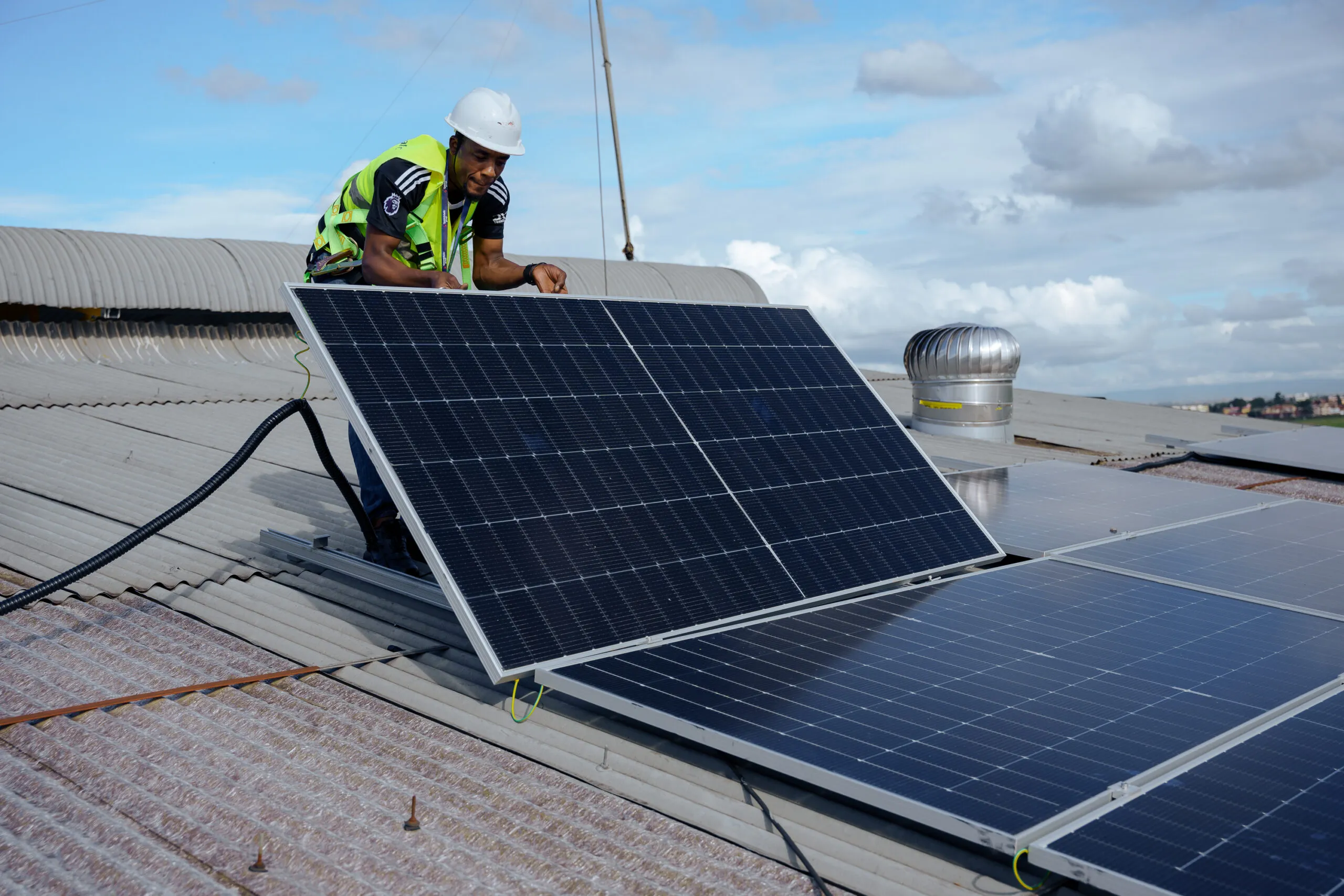
Site execution follows approved layouts, safety controls, electrical design and commissioning requirements.
We understand the facility, operational requirements, current energy challenges and investment objectives.
Electricity bills, interval data, production schedules, generator data, site drawings and other available information are analysed.
Our engineers evaluate the site, electrical infrastructure, load behaviour and renewable-energy opportunity.
Potential solar, storage, hybrid and electrical configurations are evaluated.
Engineering performance and commercial outcomes are modelled.
Where financing is required, suitable structures and financing relationships can be explored.
The selected concept is converted into detailed engineering documentation.
Equipment is sourced according to technical specifications, quality requirements and project economics.
Civil, structural, mechanical and electrical works are executed under project-management and quality-control processes.
Systems are tested, configured and verified before operational handover.
Performance is monitored and maintained throughout the agreed operating period.
Large industrial power projects contain multiple interfaces.
The solar contractor may depend on an electrical contractor.
The electrical contractor may depend on the transformer supplier.
The battery supplier may require changes to controls.
The controls may depend on generator integration.
Grid connection may require additional protection.
Each interface creates potential technical, scheduling and commercial risk.
Spenomatic's advantage is the ability to bring multiple parts of this energy value chain together.
Our capabilities span:
Project Development
Power-System Engineering
Renewable Energy
Commercial & Industrial Solar
Battery Energy Storage
Electrical Infrastructure
Transmission
Distribution
Hybrid Power
Industrial Energy Optimisation
Cogeneration
Technology & Equipment Procurement
Manufacturing / Private-Label Capabilities
EPC Construction
Commissioning
Operations & Maintenance
Financing Partnerships
The value of vertical integration is therefore not simply convenience.
It is interface control.
Spenomatic reports more than 162 MWp of C&I solar PV installed across Africa.
Our portfolio spans a wide variety of facility types, capacities and operating environments.
Our published portfolio includes projects such as a 17.2 MWp solar installation serving steel manufacturing operations in Kisumu and Mombasa, Kenya.
Our energy-storage experience complements our renewable-energy and electrical capabilities.
Spenomatic was established in 1998 and has grown from an engineering company into a multi-disciplinary African EPC group.
Engineering, procurement, construction, commissioning and long-term support can be coordinated through one EPC partner.
Our core capabilities are built around factories, utilities, infrastructure and other technically demanding energy users.
Solar is part of a broader portfolio that includes biomass, cogeneration, steam, BESS and electrical infrastructure.
Eligible projects can be evaluated alongside potential financing structures.
Our regional engineering network supports projects across multiple African markets.
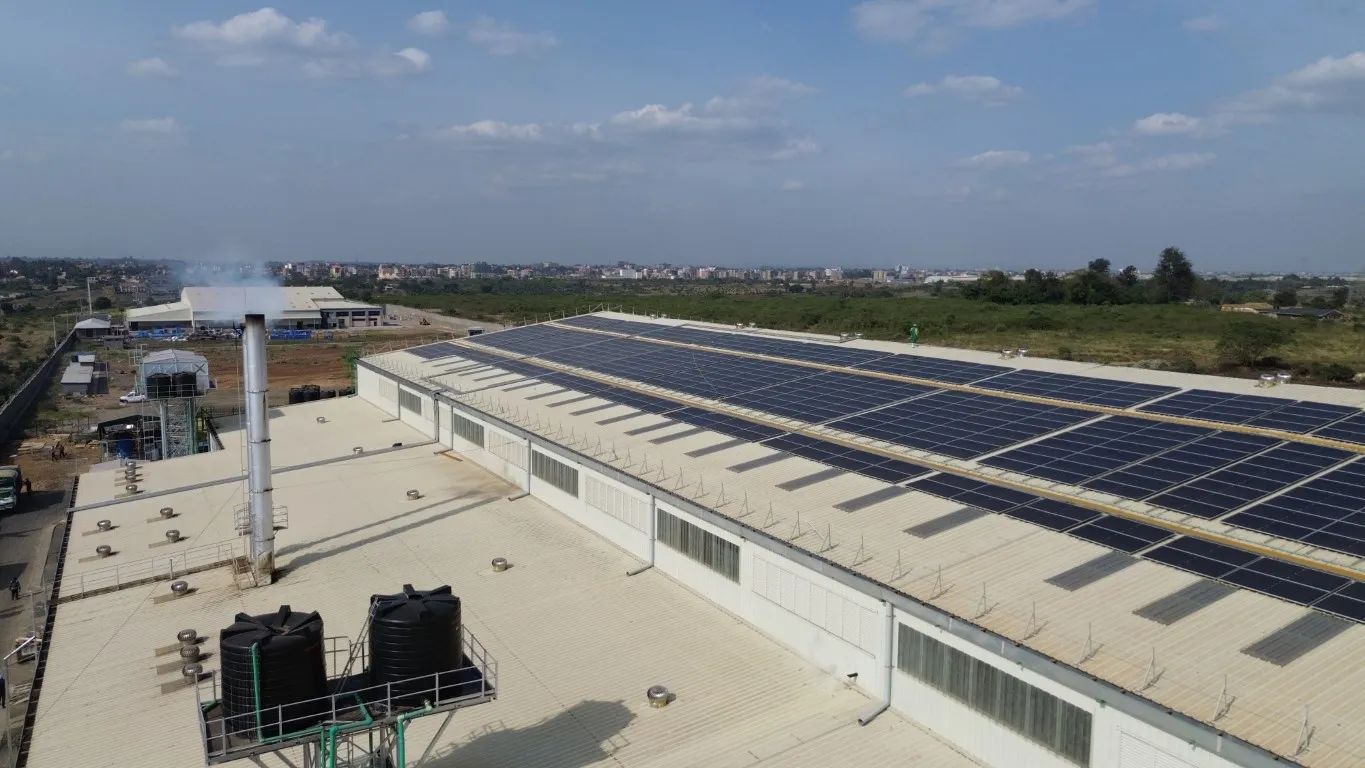
Regional execution capability supports industrial clients from assessment and design through construction and lifecycle service.
Spenomatic Group supports energy and industrial infrastructure opportunities across:
Kenya | Uganda | Tanzania | Mauritius | Zambia | South Africa | Rwanda | South Sudan | Ghana | Côte d'Ivoire | Cameroon | Nigeria | Democratic Republic of Congo | Tunisia
This regional footprint supports organisations searching for:
For multi-country industrial groups, this regional approach also creates an opportunity to develop portfolio-level energy strategies rather than treating every factory as an unrelated project.
Many African manufacturers operate more than one production facility.
That creates an additional strategic opportunity.
Instead of evaluating solar independently at each plant, Spenomatic can support a portfolio approach.
Benchmark energy consumption across sites.
Identify the highest-cost and highest-opportunity facilities.
Assess solar, BESS and energy-efficiency potential.
Prioritise projects according to technical and financial attractiveness.
Develop standardised engineering and procurement strategies where appropriate.
Deploy projects in phases.
Monitor portfolio-level energy and carbon performance.
For manufacturers operating factories across Kenya, Uganda, Tanzania, Zambia, Ghana, Nigeria or other African markets, this can transform renewable energy from a series of isolated installations into a regional industrial-energy programme.
There is no reliable answer based only on the monthly electricity bill.
Industrial solar sizing should consider:
annual consumption + interval load profile + daytime demand + maximum demand + production shifts + roof/land availability + solar resource + grid conditions + generator use + planned expansion + storage requirements + commercial objectives.
A factory with a large monthly bill but relatively low daytime demand may require a very different architecture from a factory consuming the same amount of electricity primarily during daylight production hours.
This is why Spenomatic begins with engineering and data.
For many energy-intensive manufacturers, it can be.
But the answer depends on the individual facility.
Solar tends to become particularly interesting when an organisation has:
Adding BESS or hybrid generation may also be considered where reliability and energy availability are major concerns.
The decision should be based on a project-specific techno-economic assessment rather than generic industry averages.
Commercial solar generally serves facilities such as offices, malls, hotels, schools and commercial buildings.
Industrial solar serves energy-intensive operations such as:
Industrial systems frequently require more sophisticated engineering because of:
For that reason, large industrial solar should be treated as power infrastructure, not simply a building improvement.
Potentially, but “100% solar” can mean several different things.
A factory might generate enough solar energy over a year to equal its annual electricity consumption while still requiring the grid or another source at night.
Another facility might use solar and batteries to supply selected critical loads.
A hybrid plant may combine solar, storage, grid and generators.
The correct question is therefore:
What proportion of this facility's electricity demand can technically and economically be supplied by the proposed energy system while maintaining required reliability?
That answer requires engineering analysis.
Not necessarily.
If a factory has strong daytime demand that closely follows solar production, direct solar self-consumption may already provide an attractive solution.
BESS becomes more relevant where the facility needs capabilities such as:
Battery storage should therefore solve a defined operational or commercial problem.
It should not be added simply because batteries are available.
Energy-as-a-Service is a commercial model in which a business obtains energy infrastructure or energy services without necessarily purchasing the complete system upfront under a conventional CAPEX model.
Depending on structure, the energy provider or financier may fund some or all of the infrastructure while the customer pays according to an agreed commercial arrangement.
For industrial businesses, this can preserve capital for core operations while allowing energy infrastructure to be developed.
Availability depends on project economics, credit quality, jurisdiction and financing terms.
Industrial decarbonisation is the systematic reduction of greenhouse-gas emissions associated with industrial production.
It can involve:
For industrial companies, decarbonisation works best when treated as an engineering and operational transformation programme, not simply the purchase of renewable-energy certificates or solar panels.
Africa's energy transition is often discussed in terms of national generation capacity.
But a substantial part of the next phase will happen inside industrial facilities.
Factories are becoming energy producers.
Solar roofs are becoming generation assets.
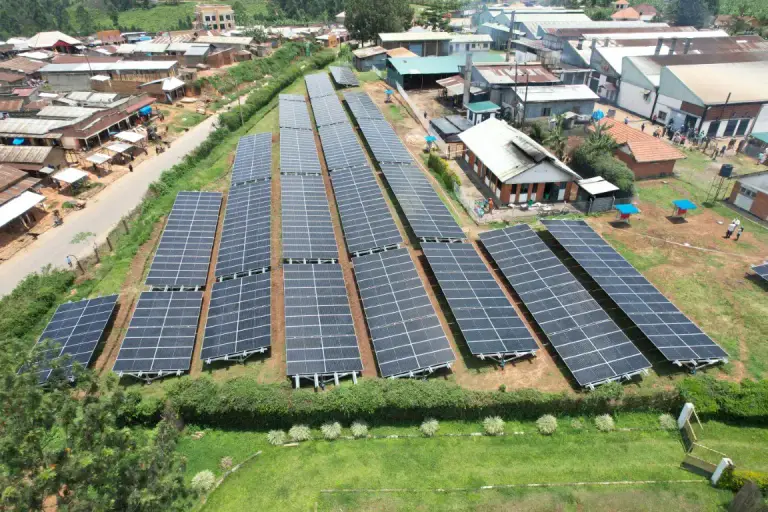
Unused industrial land is becoming power infrastructure.
Batteries are becoming operational assets.
Energy management is becoming part of production strategy.
Electrical infrastructure is becoming a competitive advantage.
And financing models are making it possible to separate energy infrastructure investment from conventional capital expenditure.
The growth of captive solar in markets such as Kenya already points in this direction.
Spenomatic believes the industrial energy transition will increasingly be defined by the integration of:
generation + storage + electrical infrastructure + efficiency + financing + intelligent operation.
The companies that treat these elements as one system will be better positioned to manage the cost, reliability and carbon intensity of energy over the coming decades.
For decades, industrial businesses largely accepted electricity as something supplied from outside the factory gate.
That model is changing.
A modern industrial facility can increasingly decide:
how electricity is generated;
when it is generated;
where it is generated;
how much is stored;
which loads receive priority;
how conventional and renewable sources interact;
how energy assets are financed;
and
how the entire system supports production.
This creates a new competitive discipline:
The winners will not necessarily be the companies with the largest solar arrays.
They will be the companies with the best-designed energy systems.
If your organisation is evaluating large-scale industrial solar, C&I solar, BESS, captive power, industrial energy efficiency or hybrid power infrastructure, the strongest starting point is not an equipment quotation.
It is your energy data.
Provide available information such as:
Our engineering team can use this information to begin identifying the scale and structure of the opportunity.
From a single manufacturing facility to a multi-country industrial portfolio, Spenomatic Group provides the engineering capability to move from energy challenge → feasibility → investment decision → engineering → financing → construction → operation.
Large-Scale Industrial Solar
Commercial & Industrial Solar
Utility-Scale Solar
Battery Energy Storage Systems
Hybrid Power
Captive Power
Cogeneration
Electrical Infrastructure
Industrial Energy Optimisation
Energy-as-a-Service
Turnkey EPC
Spenomatic Group is an African Engineering, Procurement and Construction company specialising in industrial energy, renewable energy, C&I solar PV, BESS, boilers and thermal systems, electrical infrastructure, water and environmental engineering and related industrial solutions. The Group was established in 1998 and reports more than 27 years of engineering experience across Africa.
Yes. Spenomatic provides engineering, procurement and construction services for large-scale industrial and Commercial & Industrial solar projects across African markets including Kenya, Uganda, Tanzania, Mauritius, Zambia, South Africa, Rwanda, South Sudan, Ghana, Côte d'Ivoire, Cameroon, Nigeria, Democratic Republic of Congo and Tunisia.
Spenomatic Group reports more than 162 MWp of C&I solar PV installed across more than 150 sites in Africa.
Yes. Spenomatic's published project portfolio includes multi-megawatt installations, including a 17.2 MWp solar project serving steel manufacturing facilities in Kisumu and Mombasa, Kenya.
Yes. Spenomatic integrates Battery Energy Storage Systems with industrial and renewable-energy infrastructure and reports more than 12.5 MWh of BESS capacity across its portfolio.
Spenomatic works with financing relationships that can support qualifying projects through structures that may include financed EPC, Power Purchase Agreements, leasing and Energy-as-a-Service arrangements. Financing depends on project economics, jurisdiction, credit assessment and financier approval.
Yes. Spenomatic has implemented solar installations for manufacturing and processing facilities in Kenya, including steel, food, milling, rubber, engineering, tea and sawmilling operations.
Yes. Depending on the facility requirements, solar PV can be engineered as part of a hybrid architecture incorporating grid electricity, generators, BESS and energy-management systems.
Yes. O&M can include monitoring, preventive maintenance, inspections, fault detection, corrective maintenance, performance analysis and system optimisation.
Spenomatic serves energy-intensive sectors including manufacturing, food and beverage, steel, tea, rubber, timber and sawmilling, mining, infrastructure, utilities and other industrial operations.
There is no universal system size or configuration. The correct solution depends on the plant's load profile, electricity tariff, operating schedule, solar resource, available roof or land, grid reliability, electrical infrastructure, expansion plans and financial objectives.
Project duration varies according to capacity, engineering complexity, site conditions, permitting, equipment lead times, grid requirements and financing structure. A proper EPC schedule should be developed after the feasibility and engineering requirements have been established.
Solar can reduce the amount of electricity purchased from the grid when solar production coincides with facility demand. The actual savings depend on system size, energy yield, tariff, self-consumption, financing, degradation, O&M and other site-specific variables.
Yes, but solar alone does not generate electricity throughout the night. A 24-hour operation may therefore use an architecture combining solar with the grid, battery storage, generators, cogeneration or other power sources depending on reliability and economic requirements.
Useful starting information includes electricity bills, interval consumption data where available, operating schedules, facility location, generator information, roof or land availability, existing electrical infrastructure, expansion plans and the organisation's energy objectives.
See it in action
Explore our latest published case studies.
Guides and insights
Practical, source-referenced guidance for engineers and procurement teams.
Country solar solutions
Explore solar applications, storage considerations and project assessment in these markets.
Start with your energy requirement
Share your site, load and project goals with Spenomatic's engineering team. We will help define the right next assessment.