Case study

Tea processing machinery & factory utilities
Integrated machinery, thermal systems and factory automation—from green leaf intake to finished-tea sorting.
Spenomatic connects processing equipment with the steam, thermic-fluid, electrical and control infrastructure that determines throughput, consistency, energy use and plant reliability.
Tea industry video
Explore Spenomatic’s approach to tea-processing machinery, dependable process energy, factory utilities and automation across the production chain.
A tea factory cannot protect quality by optimizing one machine in isolation. Green-leaf condition, residence time, maceration, aeration, humidity, drying temperature, material flow and utility stability all affect the final product.
That is why a strong project begins with the process requirement:
Spenomatic brings those requirements together as one machinery-and-utilities project rather than a collection of disconnected equipment purchases.
Leaf handling, maceration, fermentation, drying and sorting are engineered around the required throughput and finished-tea quality.
The scope can cover new factories, capacity expansions, individual machine replacement and targeted modernization of existing lines.
A complete solution may include:
The objective is straightforward: maintain repeatable process conditions while improving throughput, energy performance, uptime and operator control.
Machine selection considers tea type, capacity, hygiene, maintainability, automation and the physical interfaces across the production line.
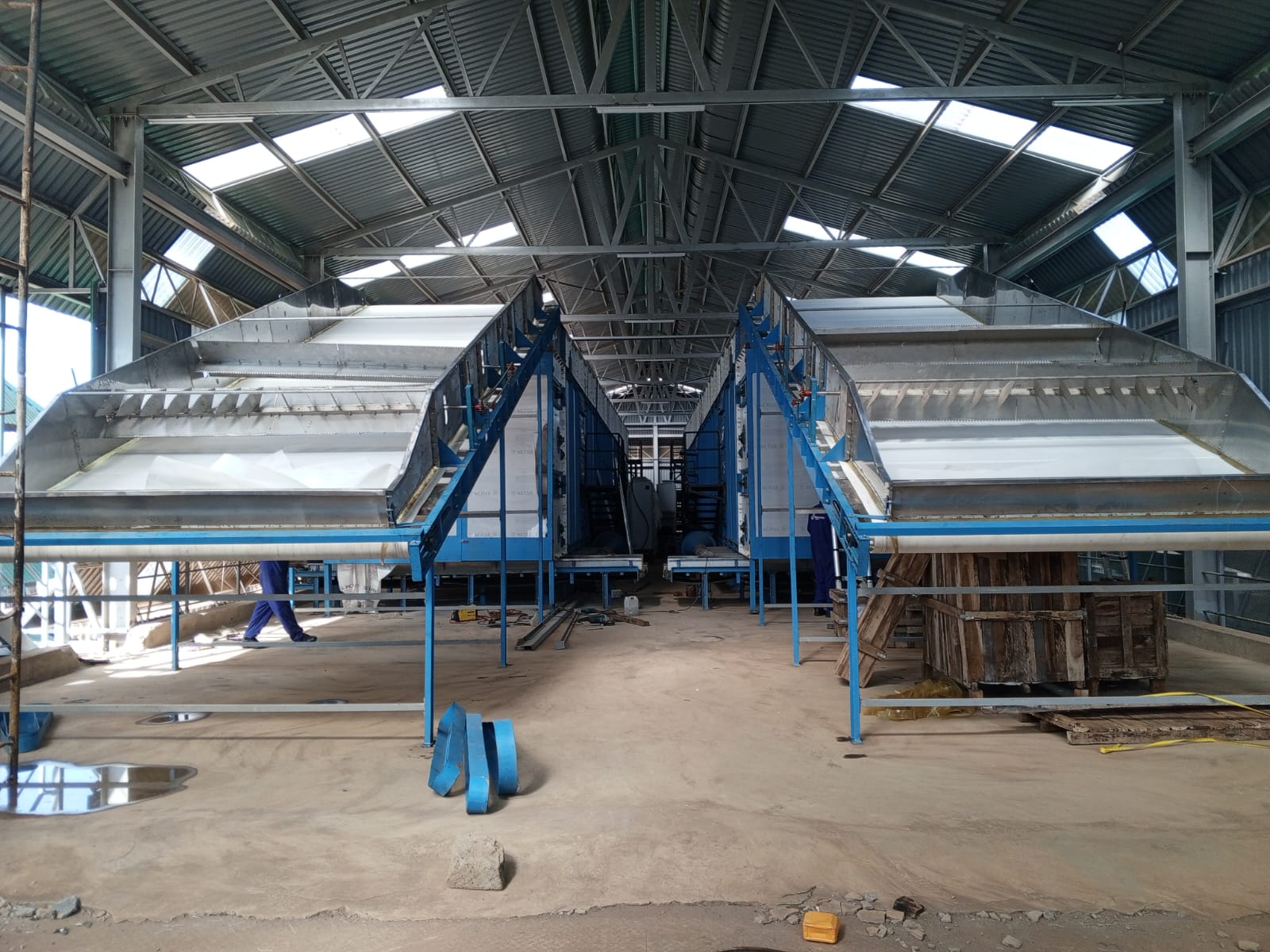
Withering establishes the physical condition required for subsequent processing. Equipment and controls must support even airflow, practical loading, consistent residence time and reliable material movement.
Spenomatic evaluates the required capacity, available floor area, airflow arrangement and desired level of automation before developing the equipment layout.
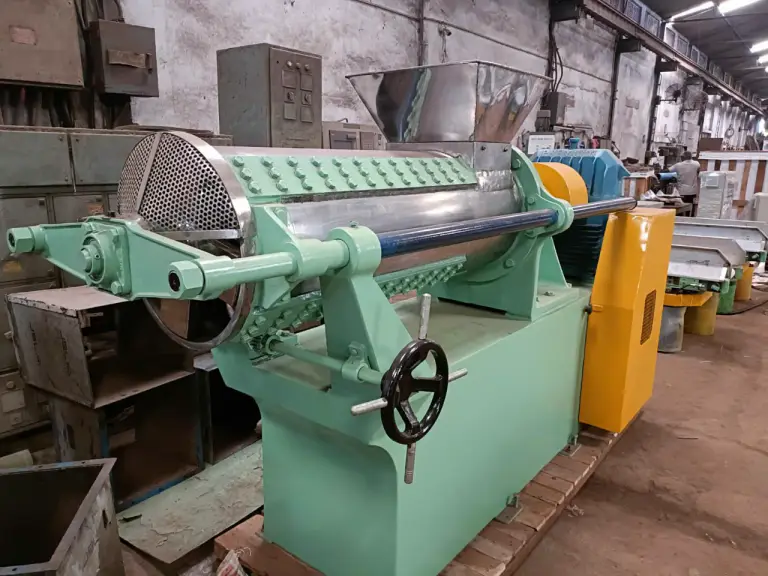
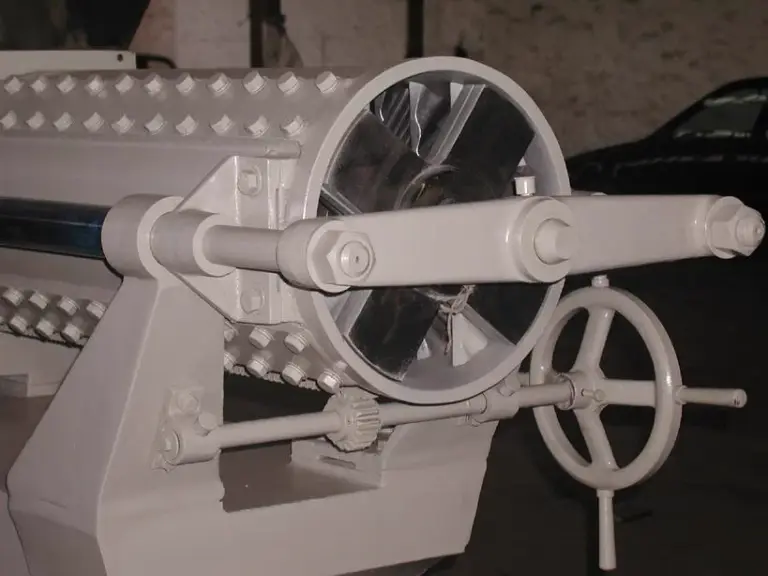
Rotorvanes condition and macerate leaf ahead of downstream manufacture. The Spenomatic Kenya product specification highlights heavy-duty stainless-steel cylinders, precision rotor shafts, configurable discharge arrangements and geared barrel withdrawal for easier cleaning and maintenance.
These details matter because leaf flow, mechanical durability, hygiene access and maintenance time directly affect consistent operation.
CTC machinery must combine accurate cutting with stable conveying and practical access for servicing. Spenomatic Kenya describes balanced cutting rollers for vibration-free operation, measures to prevent leaf rollback and spillage, replaceable bearing sleeves, quick roller removal and positive chain-and-sprocket conveyor drive.
The machine is selected and integrated around required throughput, cut consistency, sanitation, maintenance resources and the upstream and downstream line.
For orthodox manufacture, Spenomatic offers programmable rollers with material options for food-contact surfaces, electro-pneumatic pressure and discharge control, touch-screen HMI and PLC automation, and a geared drive designed for efficient power transmission.
The configuration is adapted to the intended tea style, batch size, rolling programme and factory operating practice.
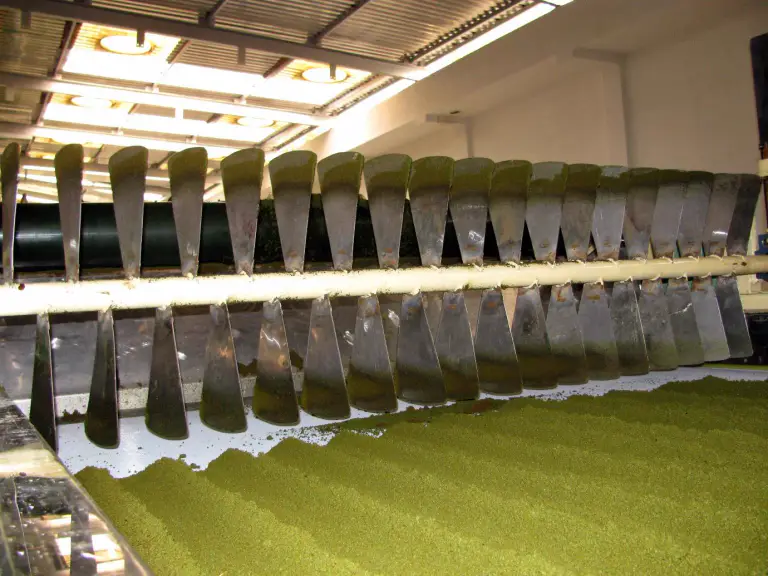
Fermentation requires uniform product depth, aeration, humidity and residence time. The published continuous fermenting machine uses a modular layout, high-open-area mesh, adjustable throughput timing and a humidified-air mist chamber to support controlled and even oxidation.
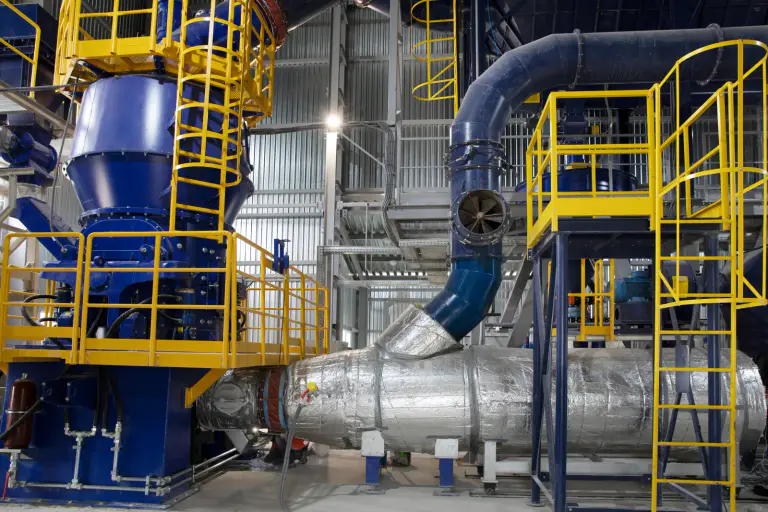
Drying arrests fermentation and brings tea to the required final moisture condition. Spenomatic's vibratory fluid-bed dryer combines feed distribution, mechanical movement and high-velocity hot air across a perforated grid.
Its two-stage approach uses higher initial temperature to stop fermentation, followed by controlled moisture removal. Insulated air delivery, dust collection and compatibility with different heat sources support consistent drying and practical plant integration.
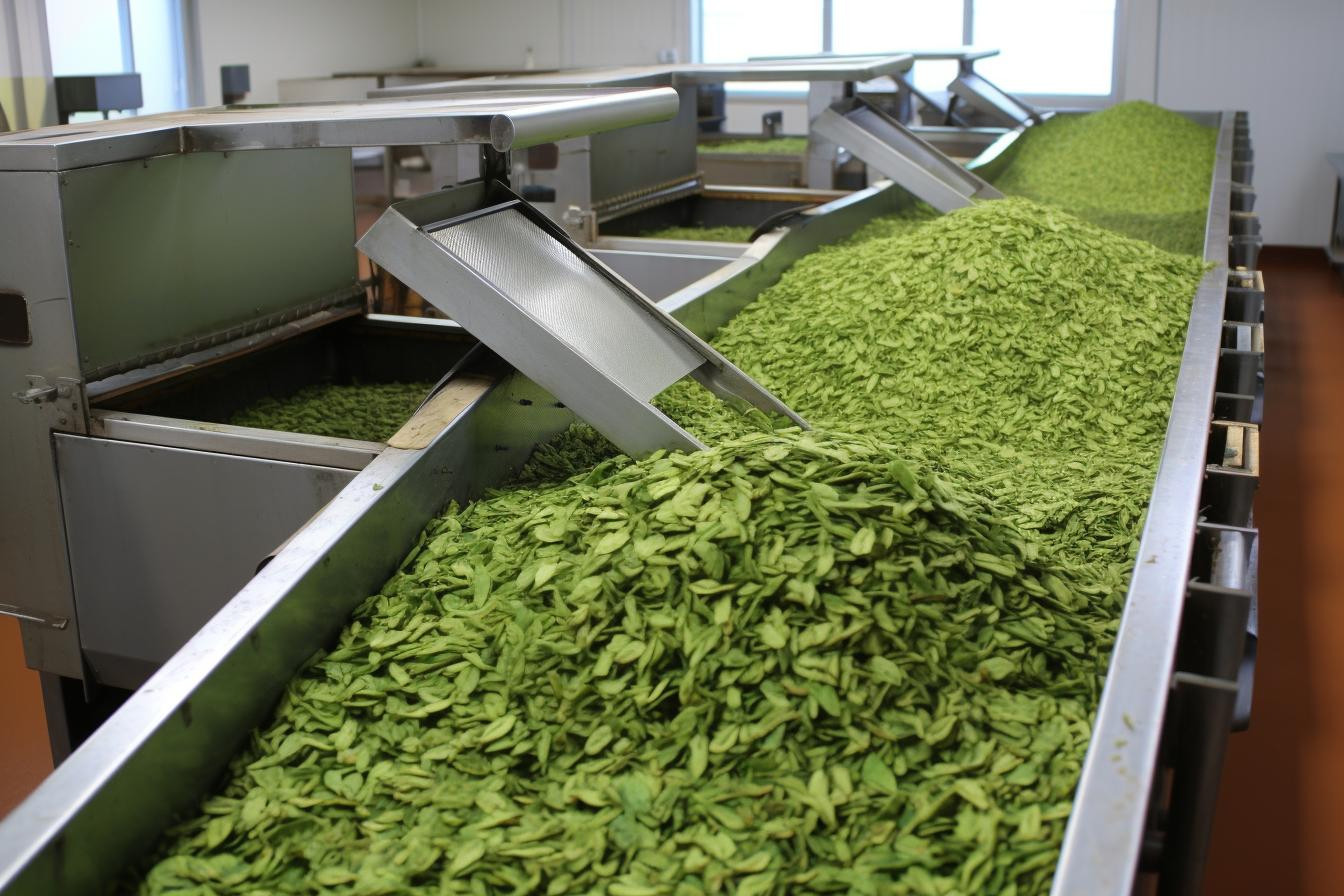
Post-drying sorting determines particle consistency and commercial grade. Multi-deck vibratory sifters can separate whole leaf, broken tea, fannings and dust using interchangeable screen sizes selected for the factory's product programme.
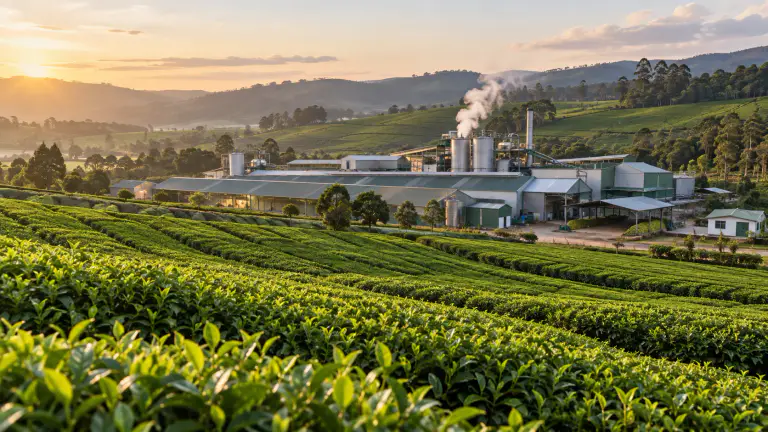
Steam, thermic-fluid heating, hot air, solar power and recovery systems are coordinated with the processing load instead of treated as separate purchases.
Tea processing is both mechanically and thermally intensive. Stable process energy is essential for dryer control, production continuity and operating cost.
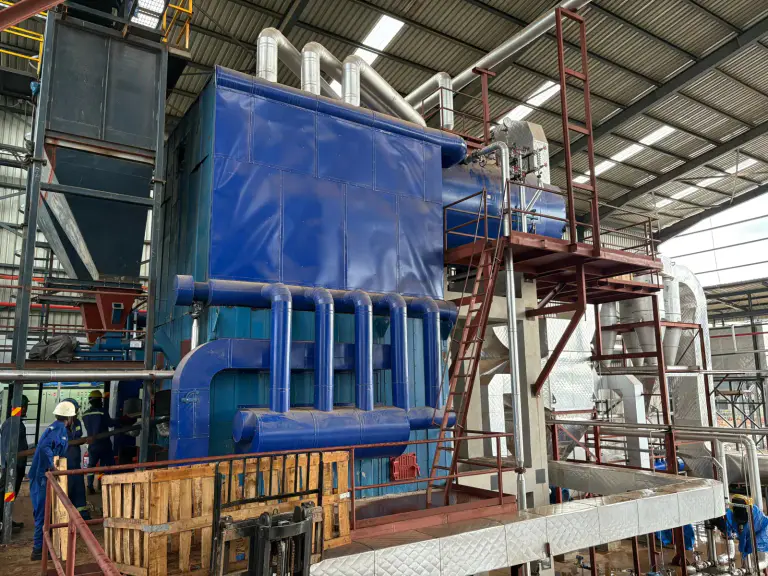
Spenomatic can integrate boilers, steam distribution, thermic-fluid heating and dryer air systems with the machinery load. Engineering considers pressure, temperature, demand profile, fuel, feedwater, condensate recovery, insulation, controls and heat losses across the complete utility system.
Where the fuel supply and plant conditions are suitable, biomass systems can reduce dependence on conventional fuels. The design must address fuel quality, storage, feeding, combustion, ash, emissions, operator routines and heat recovery—not only the boiler rating.
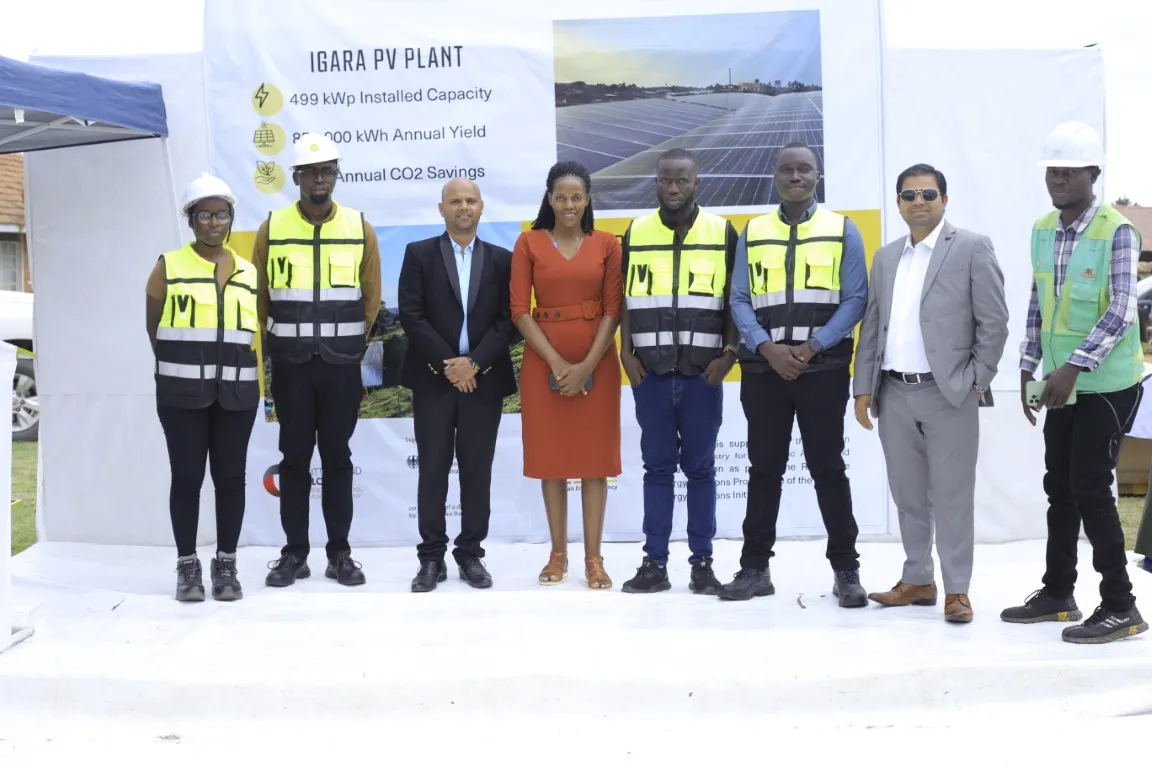
Solar PV can offset daytime electrical demand from motors, fans, conveyors, pumps and auxiliary systems. Its value depends on the actual factory load profile and safe integration with the grid, generators, protection and controls.
Coordinated controls give operators better visibility over residence time, temperature, humidity, airflow, machine status and energy use. Automation is scoped around the process and the people who operate and maintain it.
Assessment, layout, installation, commissioning, operator training and after-sales service create a practical path from specification to dependable production.
We document the product objective, leaf profile, required capacity, existing machinery, quality constraints, utilities, layout and expansion plan.
The team develops the process flow, equipment duty, preliminary layout, utility requirements and integration concept. Options are compared on output, operability, energy use, maintenance and lifecycle cost.
Approved concepts progress into equipment specifications, layouts, foundations, service connections, electrical requirements, controls and an implementation plan.
Machinery, conveyors, utilities, wiring, instruments and safety provisions are coordinated on site around the approved design and operating factory constraints.
Commissioning verifies individual equipment and the complete process sequence. Operators and maintenance teams receive practical instruction on settings, checks, cleaning, safe operation and routine care.
Post-commissioning support can include inspections, troubleshooting, maintenance guidance, spares planning and performance review as operating conditions evolve.
Spenomatic Kenya states that it established its dedicated Tea Division in 2007 to serve the need for reliable and cost-effective processing solutions in Africa.
Tea equipment, thermal systems, power and controls are evaluated together. This reduces gaps between machinery duty and the infrastructure required to operate it.
Capacity, product, layout, energy source, automation and maintenance strategy differ from one facility to another. The solution is configured around those operating realities.
Installation, commissioning, training and after-sales service help factories move from equipment delivery to stable long-term operation.
Spenomatic's tea-processing scope can support:
The published portfolio includes withering equipment, rotorvanes, CTC machines, orthodox tea rollers, continuous fermenting machines, vibratory fluid-bed dryers, sifters, sorting equipment and related material-handling systems.
Yes. The scope can connect process machinery with steam, thermic-fluid, hot-air, electrical, solar and automation systems, followed by installation, commissioning, training and after-sales support.
Yes. Dedicated machinery is available for CTC processing and for orthodox rolling, with the surrounding line configured around the intended product and factory capacity.
The engineering review considers feed distribution, airflow, temperature profile, residence time, heat source, insulation, dust handling and controls. The vibratory fluid-bed dryer uses staged drying to arrest fermentation and then remove moisture under controlled conditions.
Equipment capacity, layout, materials, controls and interfaces can be assessed against existing buildings, utilities and upstream or downstream machinery before final specification.
Yes. The delivery model can include project assessment, design, equipment supply, site integration, testing, commissioning and operator training.
Yes. Solar PV, biomass and heat-recovery opportunities can be evaluated against the actual electrical and thermal demand profile, fuel supply and existing infrastructure.
See Spenomatic Kenya's Tea Processing Solutions Africa, CTC Machine, Continuous Fermenting Machine, Vibratory Fluid Bed Dryer, Rotorvane and Orthodox Tea Roller pages.
See it in action
Explore our latest published case studies.
Guides and insights
Practical, source-referenced guidance for engineers and procurement teams.
Start with your factory requirement
Share your leaf profile, required capacity, existing equipment, utility constraints and expansion goals. Our team will help define the right machinery and factory-integration study.