
Science-led products for farms, laboratories & industry
Laboratory Equipment & Chemicals in Kenya
Organic agricultural inputs, diagnostic solutions and industrial utility chemicals backed by practical technical support.
Spenomatic Labs & Chemicals connects product selection with the application, handling, testing and operating context that determines safe, consistent performance.

Products Perform Best When the Application Comes First
Chemicals, reagents and biological agricultural inputs are not interchangeable commodities. Performance depends on choosing the right product for the crop, test method, water chemistry, equipment, process conditions and required result.
A responsible recommendation begins by understanding:
- the application and performance objective;
- existing operating or agronomic conditions;
- relevant water, soil, process or diagnostic data;
- compatibility with equipment, materials and other inputs;
- dosage or test-procedure requirements;
- storage, handling and shelf-life conditions;
- health, safety and environmental considerations;
- quality-control and monitoring requirements;
- packaging, consumption and supply planning;
- the technical support users need after delivery.
Spenomatic Labs & Chemicals combines a broad product portfolio with application-led guidance so customers can make decisions around evidence, safe use and lifecycle performance.

Agricultural, diagnostic and industrial portfolios are supported by product selection that considers the real operating environment.
Three Specialist Portfolios. One Technical Partner.
Sustainable Agriculture
The agricultural portfolio supports soil health, crop nutrition and integrated pest management through organic inputs designed for commercial farming.
Published categories include soil amendments, biofertilizers, biostimulants, foliar products, pheromones, biofungicides, bioinsecticides and botanical insecticides.
Diagnostics & Healthcare
Diagnostic reagents and instruments support human and veterinary testing. Selection considers the intended test, laboratory workflow, storage conditions, control requirements and the people operating the equipment.
Utilities & Industry
Utility chemicals support boilers, reverse-osmosis systems, cooling-water circuits and effluent treatment. Process chemicals serve sugar and leather processing, with fragrances and flavours also included in the published portfolio.
These three areas share the same requirement: consistent products must be paired with correct selection, storage, handling, application and monitoring.
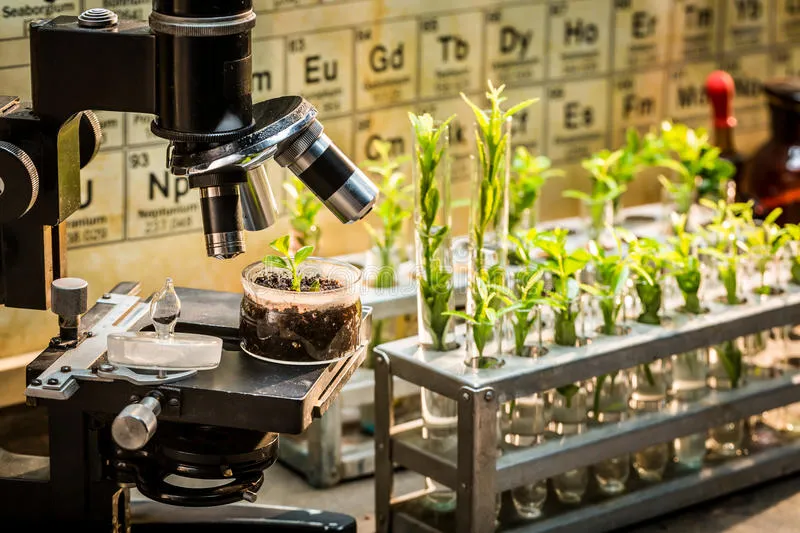
Soil amendments, biofertilizers, biostimulants, foliar products and biological crop protection support a more integrated approach to farm productivity.
Organic Agriculture and Crop Protection
Soil Amendments
Soil condition influences water retention, root development, nutrient availability and the biological activity that supports crop performance.
The published Spenomatic portfolio includes:
- NEDSC, a non-edible deoiled seed cake soil conditioner;
- Soil Organic Supplement (SOS);
- Phosphate Rich Organic Manure (PROM).
Product selection should follow the crop, soil analysis, application method and nutrient-management plan. Organic certification or suitability claims should always be checked against the current product documentation for the exact item supplied.
Biofertilizers
Biofertilizers use beneficial microorganisms to support natural nutrient cycling and nutrient availability around plant roots.
The range published by Spenomatic Labs & Chemicals includes Super Nitro, Super Potsol, Super ZinkSol and SupermykorrhizA. Each targets a different biological or nutrient function, so selection and application should be crop- and condition-specific.
Biostimulants and Foliar Products
Biostimulants and foliar programs can complement a wider nutrition strategy by supporting plant processes or delivering inputs through leaf surfaces. Published product names include Hifoliar Plus, Suprrbeon and Humikure.
These products should be integrated with soil fertility, irrigation, crop stage, weather and other farm inputs rather than applied as isolated interventions.
Integrated Pest Management Inputs
The crop-protection portfolio includes pheromones, biofungicides, bioinsecticides and botanical insecticides. These tools are most effective within an integrated pest management plan based on identification, monitoring, thresholds, timing and responsible application.
The aim is to reduce unnecessary dependence on broad synthetic treatments while protecting crop quality and market requirements.
Diagnostic reagents and instruments are selected around test purpose, workflow, storage, quality controls and user requirements.
Diagnostic Reagents and Laboratory Instruments
Human Diagnostics
Clinical laboratories need reagents and instruments that fit the intended method, sample type, throughput, quality-control routine and reporting workflow.
Spenomatic's published portfolio includes human diagnostic solutions intended to support precise and consistent testing. Product selection should verify current specifications, regulatory status, storage requirements, expiry, controls and compatibility with the laboratory's equipment and procedures.
Veterinary Diagnostics
Veterinary testing supports animal health, herd management and disease surveillance. The appropriate solution depends on species, sample, test purpose, operating environment and the laboratory or field workflow.
Laboratory Product Support
Good laboratory outcomes depend on more than the item ordered. A complete evaluation considers:
- analytical purpose and required sensitivity;
- sample preparation and handling;
- instrument and reagent compatibility;
- calibration and quality controls;
- cold-chain or ambient storage conditions;
- lot traceability and expiry management;
- operator training and procedural consistency;
- cleaning, care and preventive maintenance.
Customers should request the current instructions for use, technical data and safety information for each specific reagent or instrument.
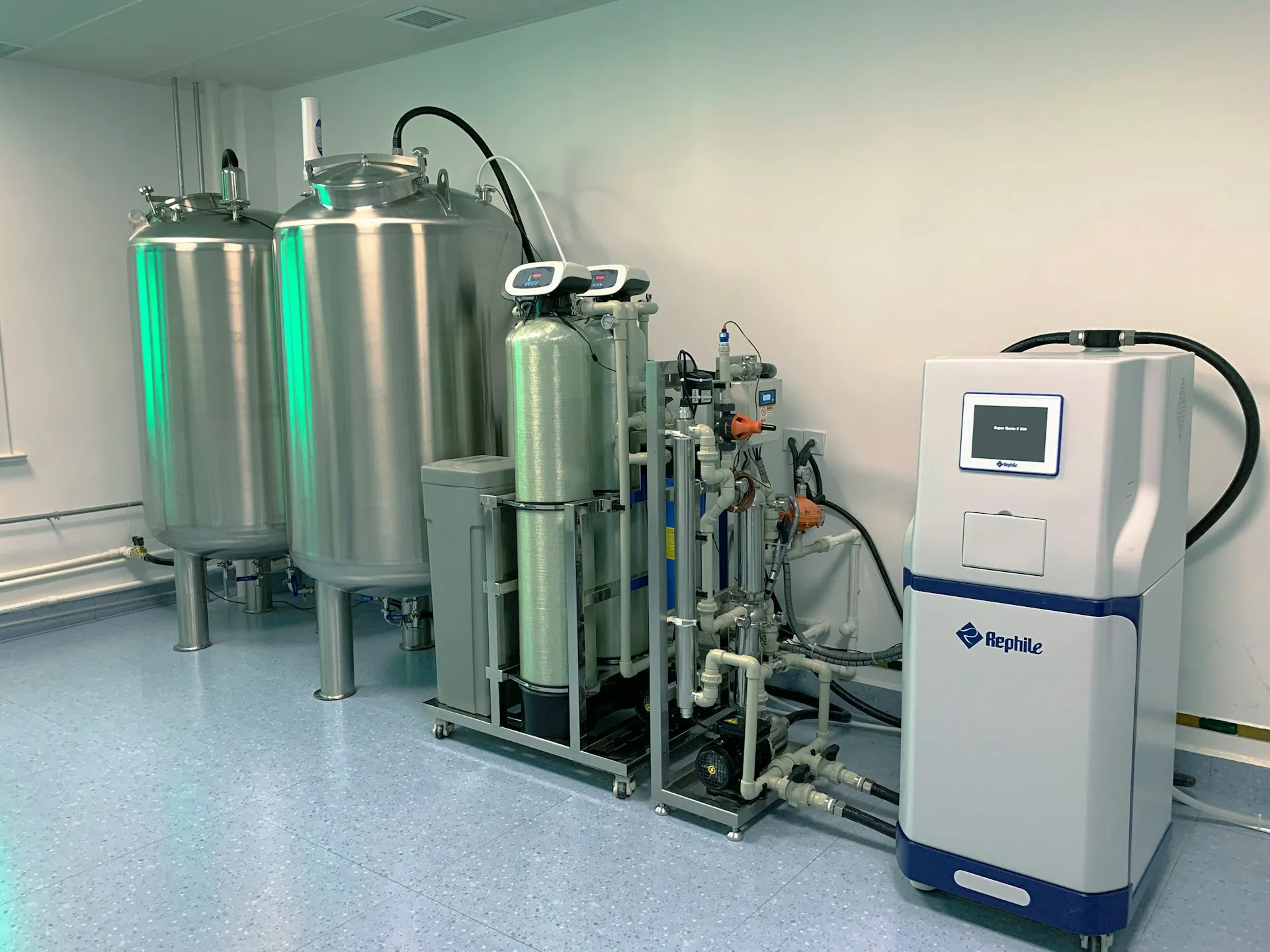
Boiler, cooling, RO and effluent programs begin with water quality, equipment materials, process conditions and the performance target.
Industrial Utility and Process Chemicals
Boiler and Water-Treatment Chemicals
Boiler-water treatment protects heat-transfer surfaces and the wider steam system from scale, corrosion, deposits and carryover. A treatment program should be based on feedwater analysis, boiler pressure, makeup-water percentage, condensate return, metallurgy and operating practice.
Product supply can form part of a wider program that includes testing, dosing guidance, blowdown review and performance monitoring.
Reverse-Osmosis Chemicals
RO membranes can be affected by mineral scaling, biological fouling, suspended solids, oxidants and unsuitable cleaning practices. Chemical selection therefore starts with feedwater analysis, membrane type, recovery target, pretreatment and operating history.
The correct program may include pretreatment support, antiscalant selection, cleaning procedures and routine monitoring appropriate to the installed system.
Cooling-Water Treatment Chemicals
Cooling systems concentrate dissolved minerals and can create conditions for scale, corrosion, fouling and microbiological growth. Treatment must be matched to system design, materials, cycles of concentration, temperature, makeup water and discharge requirements.
Effluent-Treatment Chemicals
Effluent treatment may require pH adjustment, coagulation, flocculation, solids separation or other targeted chemistry. Chemical choice and dosage should follow wastewater characterization and jar testing or equivalent application trials—not assumption.
Sugar Processing Chemicals
Sugar production uses process chemicals at defined stages where purity, dosage and process control affect recovery and final product quality. Requirements should be evaluated against the raw material, process configuration and plant performance target.
Leather Process Chemicals
Leather processing involves multiple chemical stages from beamhouse operations through tanning, dyeing, fatliquoring and finishing. Each product must be selected for the hide or skin, target leather properties, process sequence, worker safety and effluent implications.
Fragrances & Flavours
Fragrance and flavour selection depends on the finished-product application, desired sensory profile, stability, dosage, compatibility and relevant regulatory requirements. Current technical and compliance documentation should be reviewed for the intended market and use.
Our Technical Supply Process
1. Define the Requirement
The discussion begins with the crop, diagnostic workflow, water system or manufacturing process and the result the customer needs.
2. Review Available Data
Depending on the application, useful inputs may include soil analysis, water analysis, process parameters, equipment details, current treatment records, test methodology or product specifications.
3. Select and Confirm the Solution
Options are reviewed for fitness for purpose, compatibility, packaging, storage, handling and the technical documentation required before use.
4. Plan Application or Implementation
The customer receives the current product-specific guidance needed for dosing, application, testing, operation, safety and monitoring. Exact instructions always follow the supplied product documentation.
5. Monitor and Improve
Crop response, laboratory quality controls, water chemistry or industrial operating data should be reviewed so the program can be adjusted when conditions change.
Quality, Safety and Responsible Use
Spenomatic Labs & Chemicals states that products are manufactured in facilities operating to ISO standards and WHO-GMP norms, and that its organic agricultural inputs hold NPOP-India and NOP-USA organic certifications.
Because certifications, registrations and formulations are product-specific and may change, customers should verify the current certificate, label, technical data sheet, safety data sheet and local registration for the exact product and intended use.
Responsible supply and use require:
- correct product identification and traceability;
- suitable transport and storage;
- trained handling and appropriate personal protective equipment;
- adherence to labels, safety data and instructions for use;
- spill, exposure and waste procedures;
- compatibility checks before mixing or dosing;
- monitoring of results and unintended effects;
- compliance with applicable local requirements.
Who We Support
The portfolio can serve:
- commercial farms and horticultural producers;
- agronomists, distributors and crop advisers;
- hospitals, clinics and diagnostic laboratories;
- research, education and quality-control laboratories;
- veterinary practices and animal-health programs;
- food, beverage and sugar processors;
- leather manufacturers and tanneries;
- boiler and steam-system operators;
- RO and industrial water-treatment plants;
- cooling-water and effluent-treatment operations;
- manufacturers using fragrances, flavours or specialist process chemicals.
Frequently Asked Questions
What does Spenomatic Labs & Chemicals supply?
The official portfolio covers organic fertilizers and crop protection, human and veterinary diagnostic reagents and instruments, industrial utility chemicals, sugar and leather process chemicals, and fragrances and flavours.
Which organic agricultural products are available?
Published categories include soil amendments, biofertilizers, biostimulants, foliar products, pheromones, biofungicides, bioinsecticides and botanical insecticides. Specific availability and documentation should be confirmed when requesting a quotation.
Does Spenomatic supply boiler and cooling-water chemicals?
Yes. Boiler and water-treatment chemicals and cooling-water treatment chemicals are listed in the official utility-chemicals portfolio. Selection should follow water analysis and system operating conditions.
Can Spenomatic support reverse-osmosis systems?
Yes. Reverse-osmosis chemicals are part of the published range. The correct treatment or cleaning program depends on feedwater chemistry, membrane type, recovery, pretreatment and fouling history.
Are effluent-treatment chemicals available?
Yes. Effluent-treatment chemicals are included in the utility portfolio. Wastewater testing and application trials are important for selecting chemistry and dosage.
Does the portfolio include diagnostic products?
Yes. Spenomatic lists diagnostic reagents and instruments for human and veterinary diagnostics. Customers should confirm the precise test, specification, storage, control and regulatory requirements.
Are the agricultural products certified organic?
The company states that its agricultural inputs are certified organic by NPOP-India and NOP-USA. Customers should request the current product-specific certificate and verify its scope for the intended market and use.
Does Spenomatic provide technical guidance?
Yes. The company describes tailored technical and laboratory support as part of its service. The information required depends on whether the application involves crops, diagnostics, water treatment or industrial processing.
Where can I review the official portfolio?
See the Spenomatic Labs & Chemicals home page, products directory, organic agriculture portfolio and company profile.
Start with the application
Select products around evidence, safe use and the result you need.
Share your crop, diagnostic workflow, water analysis or industrial process requirement. Our technical team will help identify the information needed for an appropriate recommendation.