Case study

Water, wastewater & resource recovery
Dependable process water, protected utilities and practical wastewater reuse for industrial and commercial facilities.
Spenomatic Kenya brings water analysis, process design, equipment supply, installation and lifecycle support together around your source water and production requirements.
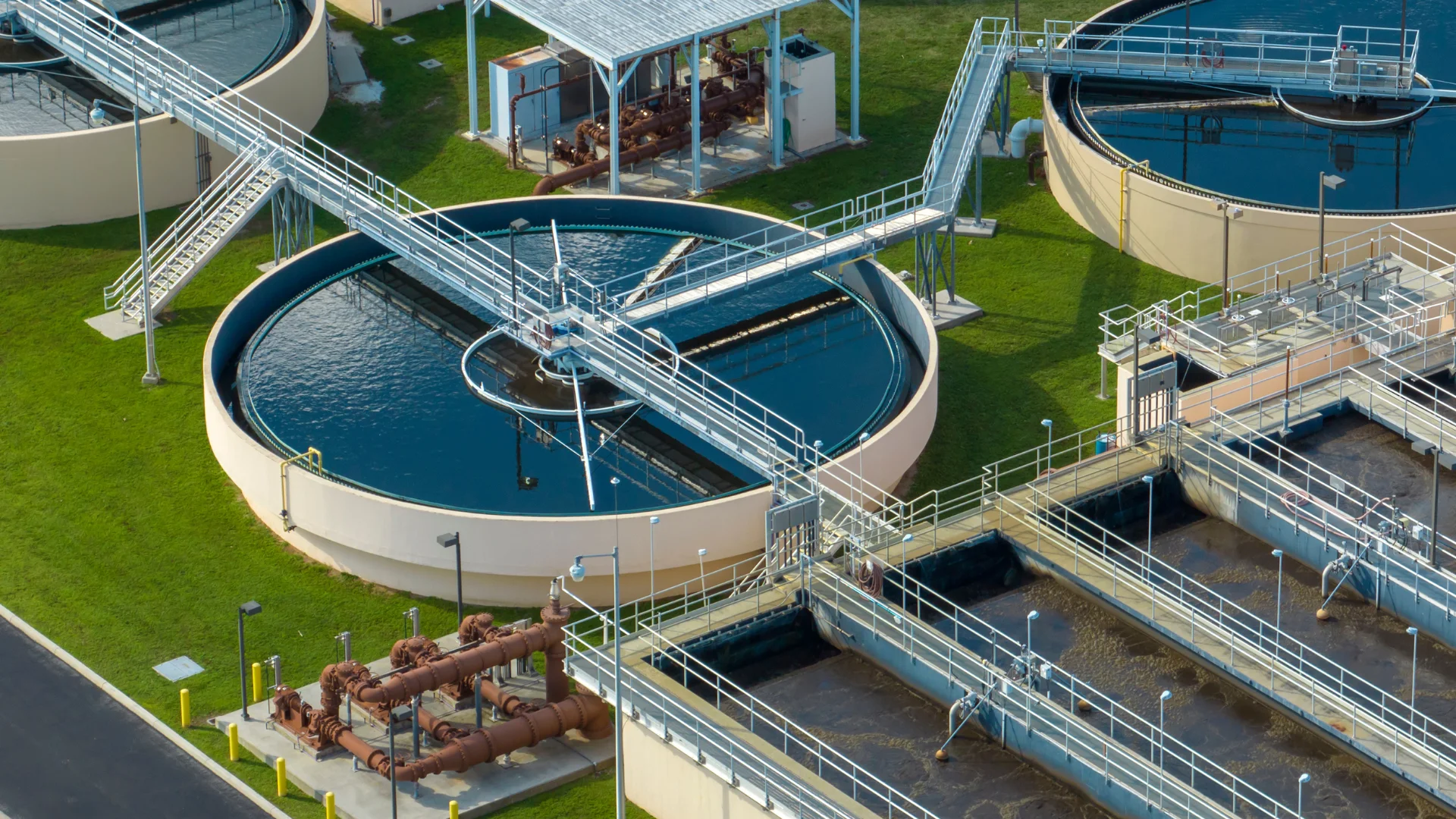
Spenomatic Kenya develops treatment systems for industrial and commercial facilities across Africa. Its official water offering includes filtration, softening, process water, boiler feedwater, cooling systems and wastewater recycling, supported from analysis through maintenance.
Every facility has a different water balance. A borehole, river supply and municipal connection can present different treatment needs, even when they serve the same process. Seasonal changes and production peaks also affect the equipment and storage required.
Begin with three questions: what water enters the facility, what quality does each process require, and where does the water go after use? These answers establish a practical design basis for capacity, treatment, monitoring and reuse.
| Application | Treatment focus | Information needed |
|---|---|---|
| Source-water preparation | Suspended solids, turbidity and filtration | Source analysis and seasonal variation |
| Process water | Water quality matched to production | Required outlet quality and peak demand |
| Boiler feedwater | Hardness, dissolved solids and treatment chemistry | Boiler duty, makeup water and condensate return |
| Cooling water | Scale, corrosion and fouling control | Circuit conditions and makeup-water quality |
| Membrane purification | Dissolved-salt reduction and pretreatment | Feed chemistry, membrane duty and recovery target |
| Wastewater reuse | Treatment for the intended next use | Effluent composition, flow and reuse destination |
The treatment sequence follows the analysis. Equipment capacity alone does not establish whether a plant will meet the required outlet quality.
Filtration removes selected suspended material and helps protect downstream equipment. Media, flow rate, backwash arrangements and maintenance access should reflect the source-water conditions and available utilities.
Softening addresses hardness where it creates an operating problem. It is particularly relevant to processes vulnerable to mineral deposits. The design must account for regeneration, salt consumption, waste streams and the operating cycle.
Water used for cooling, washing, process ingredients and steam generation may require different treatment. Separating these duties can avoid unnecessary treatment while protecting critical applications.
Spenomatic Kenya describes filtration, disinfection and chemical treatment among its available approaches. Their selection is based on the source and intended use. Storage and distribution are part of the system because water quality must be maintained after treatment.
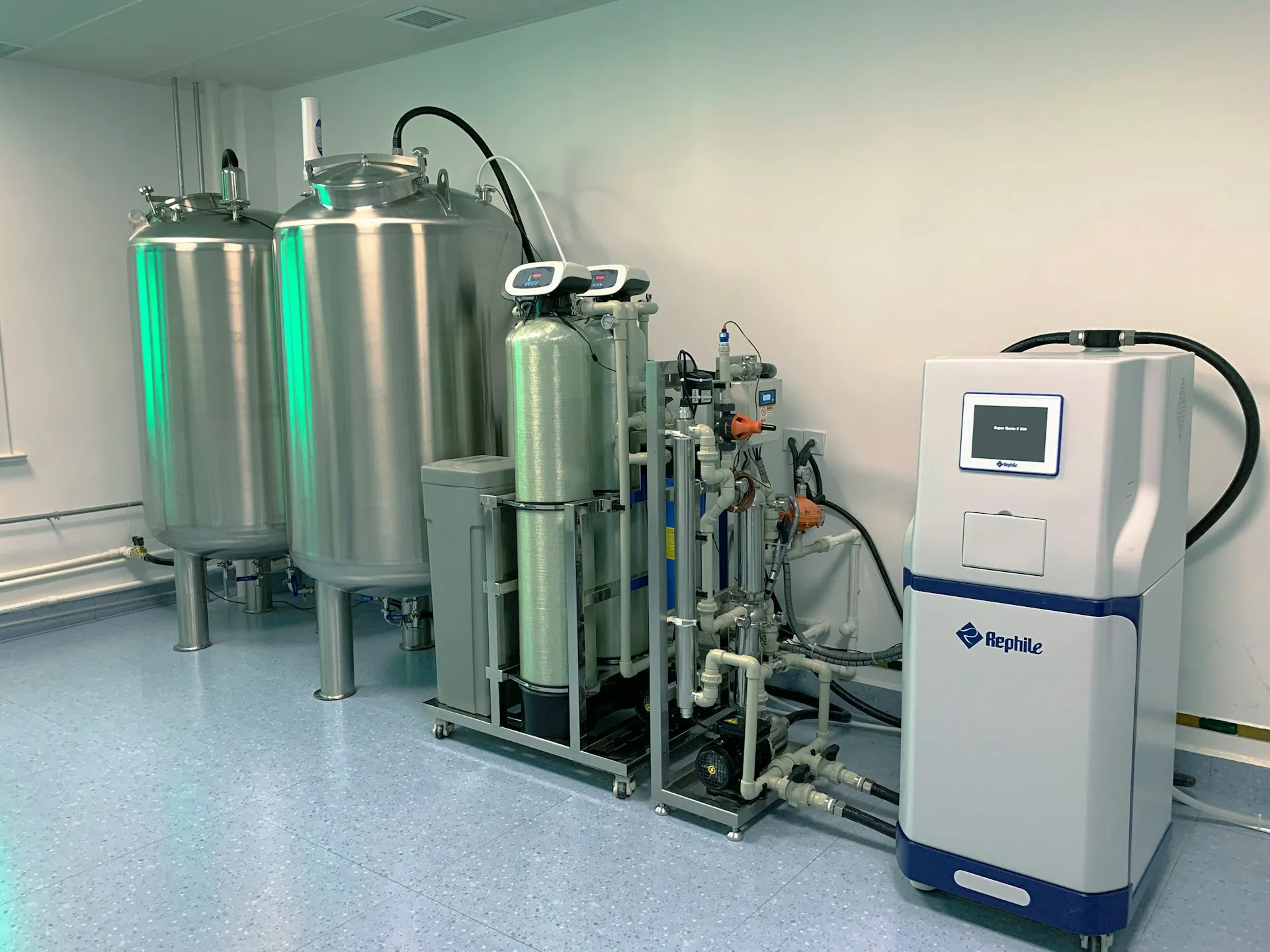
Pretreatment, membrane selection, storage and monitoring work together to deliver consistent water quality at the point of use.
Reverse osmosis is one of the technologies described in Spenomatic Kenya's water portfolio. It can be evaluated where dissolved salts constrain process-water quality or equipment performance.
A proposal should consider pretreatment, membrane compatibility, feed pressure, recovery, concentrate handling, cleaning arrangements, instrumentation and treated-water storage. Feedwater chemistry and operating conditions determine the achievable output and recovery.
Useful operating indicators include feed and product flows, conductivity, differential pressure and changes in normalized performance. Monitoring these trends helps identify when operating conditions or maintenance requirements change.
Spenomatic Kenya also discusses ultrafiltration and demineralization in its water-related publications. Technology selection follows the specified application; a complete solution may use several stages with distinct purposes.
For a factory expansion, the engineering review should also address existing pumps, electrical supply, storage capacity and distribution connections. These interfaces determine whether additional treatment capacity can be used effectively.
The boiler feedwater program should be considered together with boiler duty, makeup water and condensate return. Poorly matched treatment can contribute to deposits and corrosion, affecting heat transfer and availability.
Source treatment, chemical dosing, sampling and operating routines work together. Changes in feedwater or production demand should trigger a review of the treatment program.
Cooling-water treatment is shaped by the circuit, makeup-water composition and operating temperature. Water losses and concentration affect both treatment demand and the volume requiring discharge.
The assessment brings water chemistry together with equipment condition and operating records, helping identify practical improvements to monitoring, treatment and water use.
Wastewater composition and the intended discharge or reuse destination determine the treatment stages and operating targets.
Wastewater composition varies between facilities and between production stages. Understanding flow, organic loading, solids and other relevant constituents is the starting point for selecting treatment.
Separating streams can improve reuse opportunities. A relatively clean rinse stream may have a different treatment requirement from concentrated process effluent. Storage and equalization should account for changes over the production cycle.
The treatment target depends on whether water will be discharged or reused, and on the requirements of that destination. Reuse should be assessed alongside collection, additional treatment, distribution and monitoring.
Spenomatic Kenya's published materials describe wastewater recycling, membrane treatment and water-recovery approaches. The suitable combination is established through assessment of the actual effluent and intended outlet quality.
Recovering more water can change the concentration and handling requirements of the remaining waste. A credible proposal considers energy, chemicals, sludge or concentrate management and the cost of operation alongside water savings.
Instrumentation helps operators understand plant condition. Depending on the duty, monitoring can include flow, pressure, pH, conductivity and levels, supported by alarms and automatic dosing or sequencing.
The purpose is practical: give operators the information needed to detect changes, maintain treatment quality and plan maintenance. Accessible sampling points and clear operating records remain valuable alongside automation.
Review source-water or effluent analysis, flow requirements, production schedules and existing assets. Identify site constraints and the required outlet quality.
Develop the treatment sequence and water balance. Compare options against capacity, operating cost, energy use, residuals and maintenance needs.
Coordinate equipment selection, layouts, pipework, pumping, electrical requirements, instrumentation and storage. Define interfaces with the existing facility before installation.
Bring equipment and utilities together, check controls and verify performance against the agreed design basis. Commissioning connects equipment operation to the required water-quality result.
Establish operating routines, sampling, cleaning and maintenance requirements. Review performance when source conditions, demand or reuse objectives change.
Prepare the following information to help the water team scope the project:
A new plant, retrofit and reuse project each starts with a different set of constraints. Sharing the operating context makes the assessment more useful and the resulting proposal easier to compare.
Spenomatic Kenya lists filtration, softening, process water, boiler feedwater, cooling-water systems and wastewater recycling. Its wider publications also describe reverse osmosis, membrane technologies and automated monitoring.
A recent analysis, together with flow and outlet-quality requirements, provides the starting point for treatment selection. It helps the team assess the source and identify further information needed.
An assessment can evaluate current equipment, treatment performance and new demand to establish the scope of a retrofit or expansion. The proposed approach depends on the condition and capacity of the existing system.
No. The treatment method follows source-water quality and the requirements of the process. Filtration, softening or other treatment may be appropriate depending on the duty.
Reuse can be evaluated when the proposed treatment can meet the requirements of the intended application. The assessment must also address collection, storage, distribution and monitoring.
Yes. Its official water treatment page describes support covering analysis, design, installation, commissioning and ongoing maintenance.
Source quality, flow, outlet requirements, treatment stages and site interfaces shape the initial cost. Energy, chemicals, replacement parts and residuals handling determine the cost of operation.
Learn more on Spenomatic Kenya's customized water treatment page, industrial water management article, water recycling overview and clean-water solutions overview.
See it in action
Explore our latest published case studies.
Guides and insights
Practical, source-referenced guidance for engineers and procurement teams.
Start with your water analysis
Share your water source, analysis, daily and peak demand, site conditions and required outlet quality. Our water team will help define the next assessment.