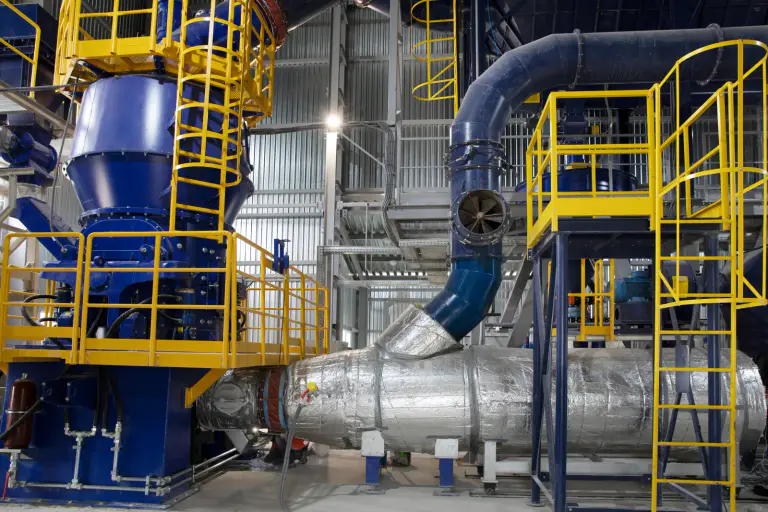
Guide

Steam distribution, control & condensate recovery
Reliable process heat starts with the valves, traps and controls that connect your steam network.
Spenomatic Energy Solutions brings industrial accessories together with plant audits, installation, testing and maintenance to improve steam delivery and recover valuable condensate.
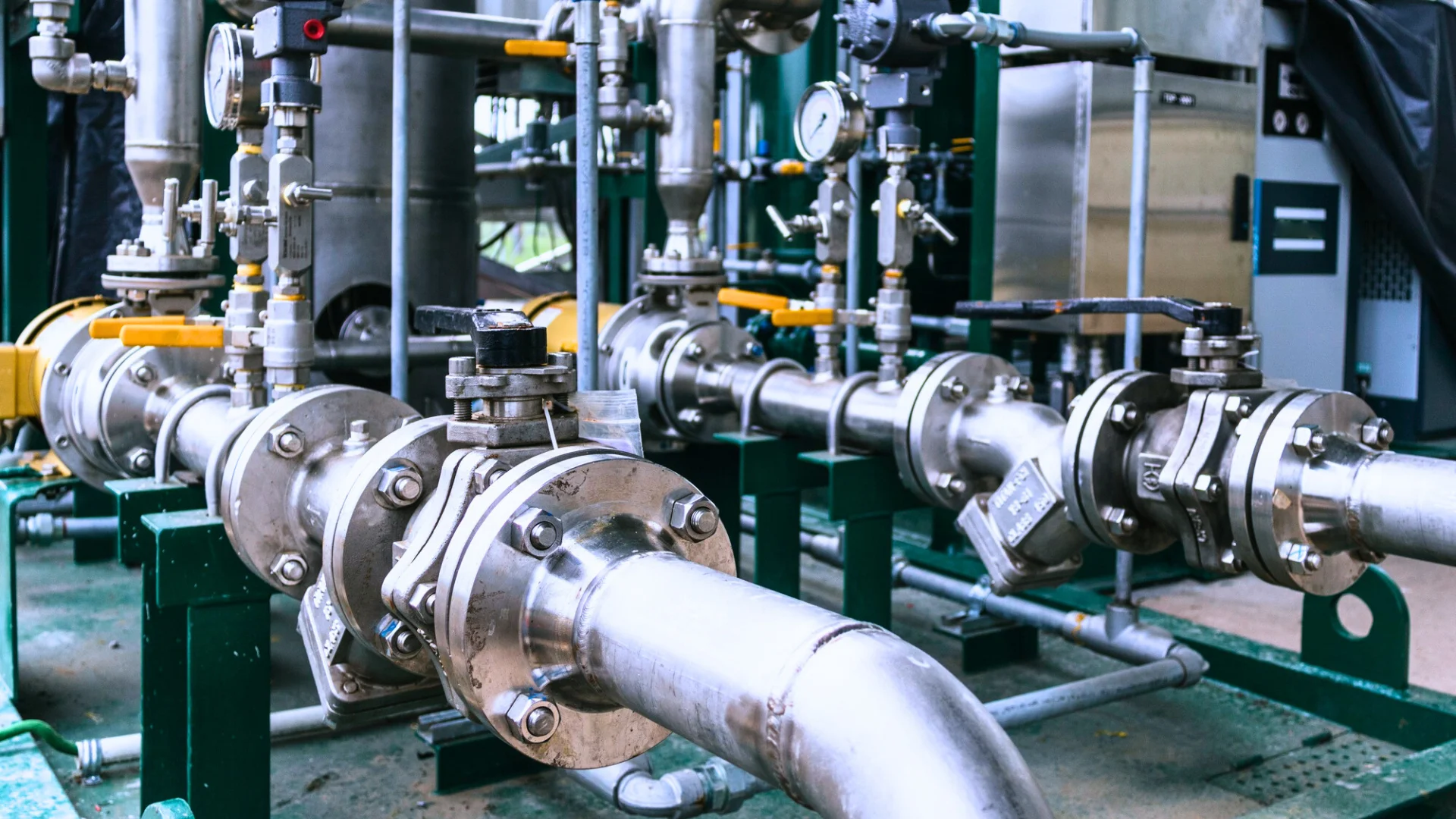
A steam network connects heat generation to the equipment that uses it. Along that route, isolation, pressure control, drainage and condensate return all influence production reliability.
Spenomatic Energy Solutions supplies industrial accessories for steam and condensate systems, with related applications in thermal oil, natural gas, refrigeration and hot or cold water. The portfolio serves manufacturing and process industries across Africa.
The starting point is the operating duty: the steam available, the conditions required at the process and the route for returning condensate. Understanding these connections helps define a useful equipment specification and identify where an existing installation needs attention.
| System function | Published product families | Selection focus |
|---|---|---|
| Isolation | Bellows-seal and industrial isolation valves | Fluid, materials, connection and operating conditions |
| Drainage | Thermodynamic, thermostatic, inverted-bucket and ball-float traps | Condensate load, differential pressure and air removal |
| Pressure management | Self-acting and pilot-operated reducing valves | Supply pressure, process pressure and demand range |
| Process control | Control valves with pneumatic or electric actuation | Control duty and integration with plant controls |
| Condensate return | Mechanical condensate pumps and recovery assemblies | Return pressure, available motive supply and capacity |
| Pipeline support | Strainers, safety valves and flow measurement | Protection, service access and operating visibility |
Products are selected as parts of a working system. Connection size alone does not establish the duty a valve, trap or pump can handle.
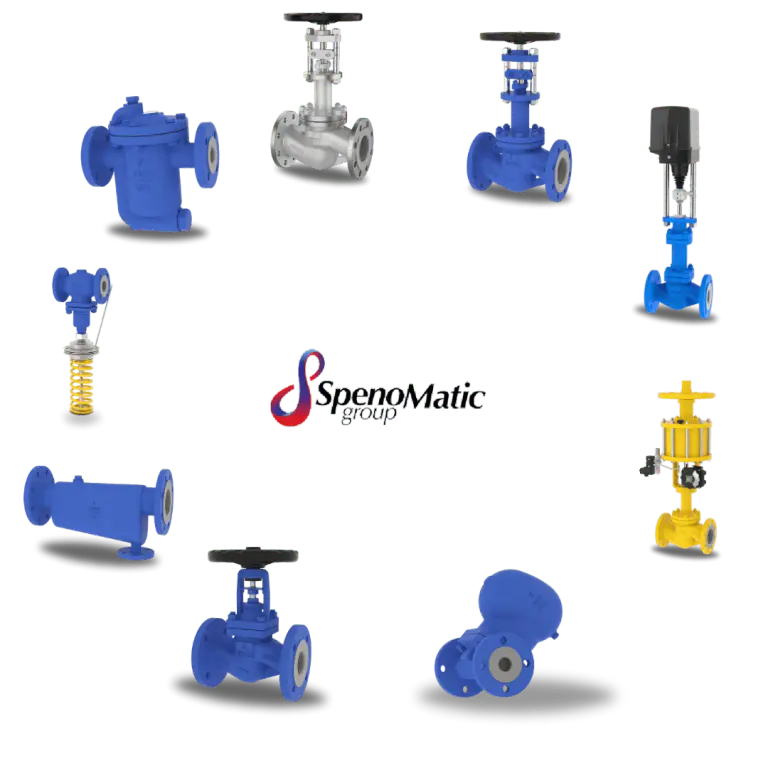
The published trap range includes thermodynamic, thermostatic, inverted-bucket and ball-float designs for different drainage duties.
Steam traps discharge condensate and, depending on their design, air and other non-condensable gases while limiting the escape of live steam. The published range provides different operating principles for different applications.
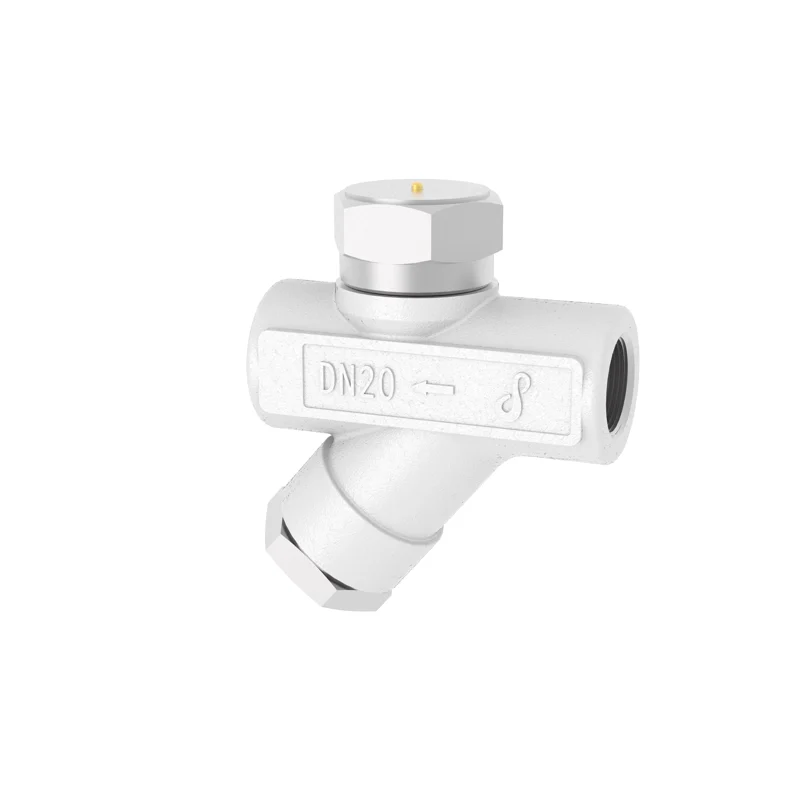
Spenomatic's thermodynamic range uses a compact disc mechanism and includes designs with an integral strainer. The official product page lists steam mains, branch lines and heat tracing among its applications.
Selection should consider the operating pressure differential, startup conditions, condensate duty and installation requirements. Current model data establishes the applicable limits.
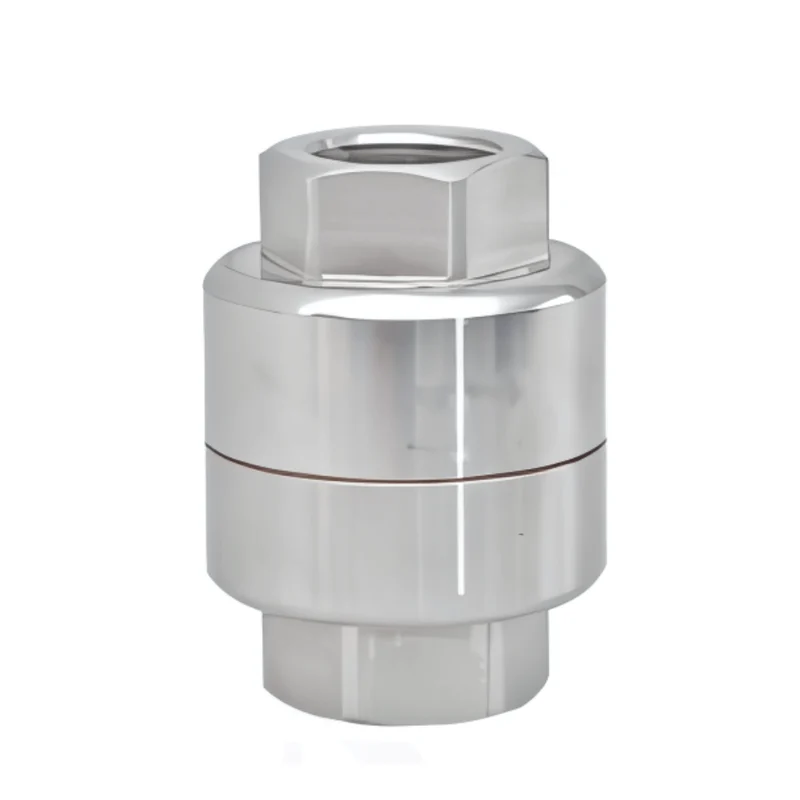
The thermostatic range responds to temperature and supports startup air removal. Spenomatic identifies heating pipelines, coils and selected heat-exchanger duties among its applications.
The choice depends on the temperature at which condensate may be discharged and the requirements of the equipment being drained. Different processes have different tolerance for condensate cooling or retention.
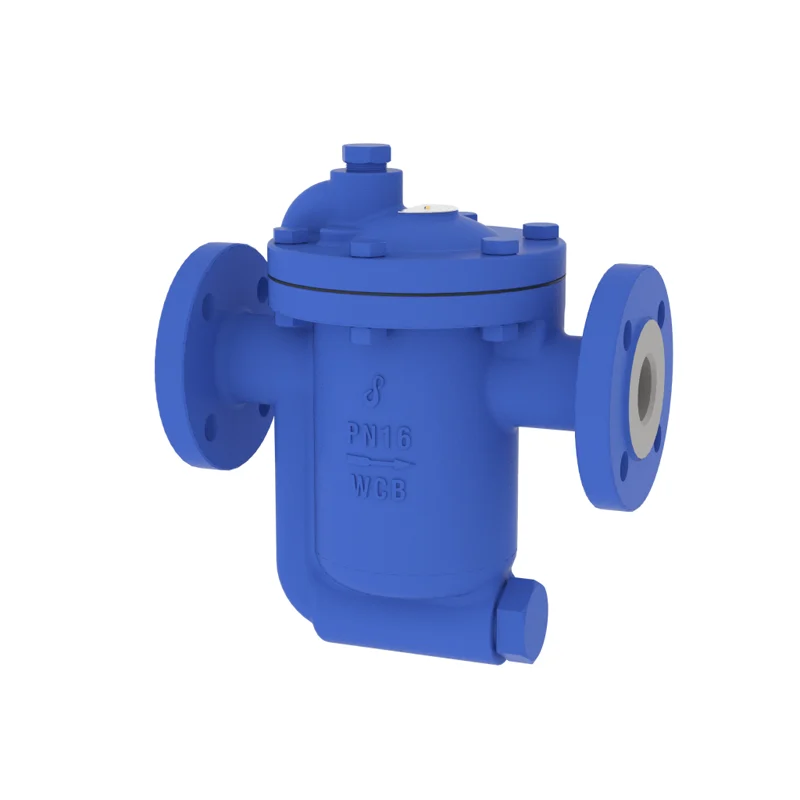
The official inverted-bucket range includes flanged and screwed configurations, with internal components and filtration features intended for industrial service. Listed applications include steam distribution, jacketed kettles and heat exchangers.
Review the process load and operating conditions together with the specific model's air-handling and installation requirements.
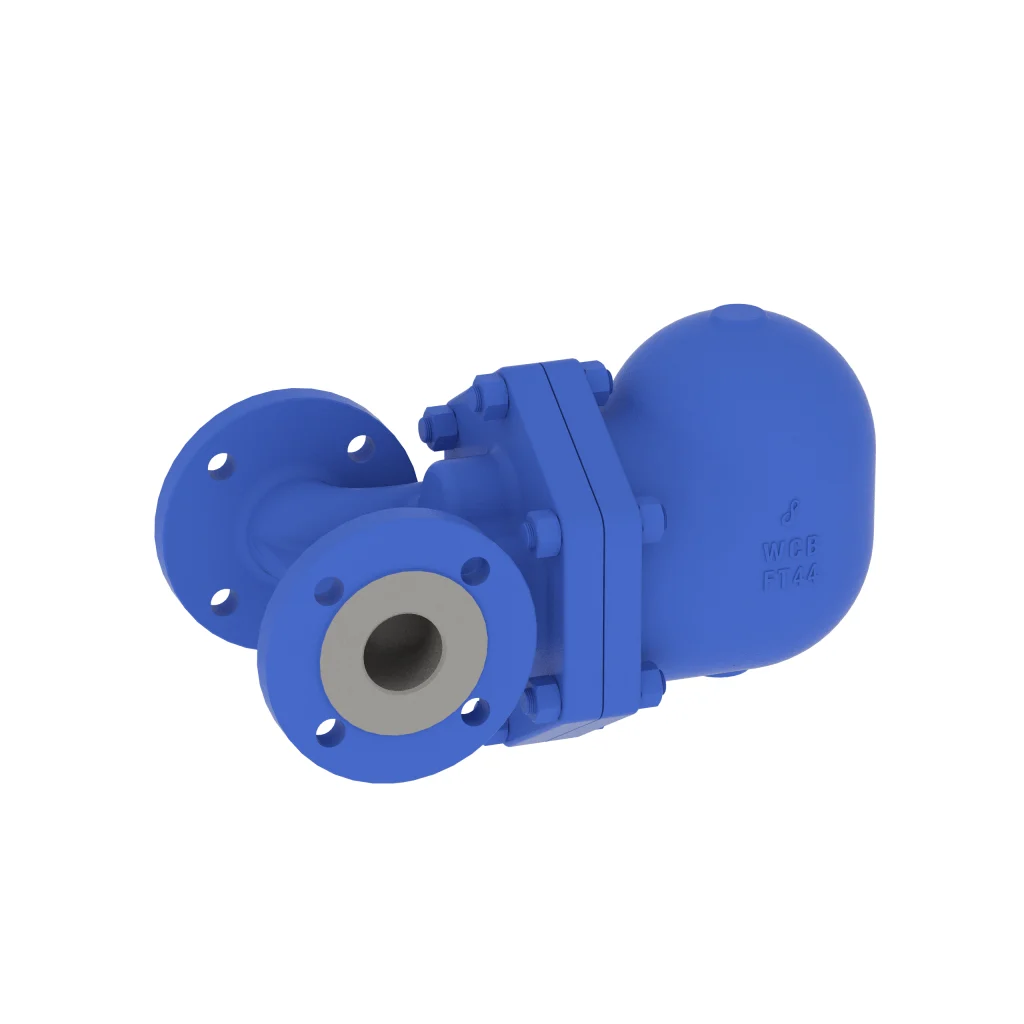
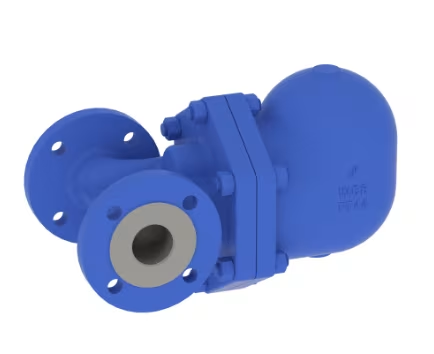
Ball-float traps provide continuous condensate discharge as the liquid level changes. Spenomatic's published range includes thermostatic air venting and applications involving heat exchangers and process heaters.
These characteristics are useful when evaluating equipment with changing condensate loads. Selection still requires an assessment of the available differential pressure and the downstream return system.
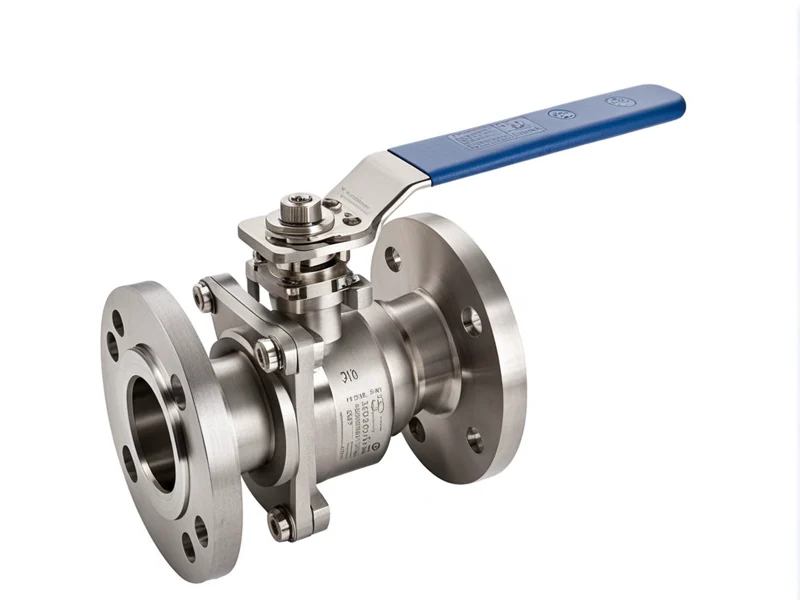
Industrial isolation valves allow equipment and pipe sections to be managed within the plant's operating and maintenance arrangements. Fluid compatibility, temperature, pressure and connection details determine the appropriate construction.
The specification should also consider access to the handwheel or actuator, installation orientation and space for servicing.
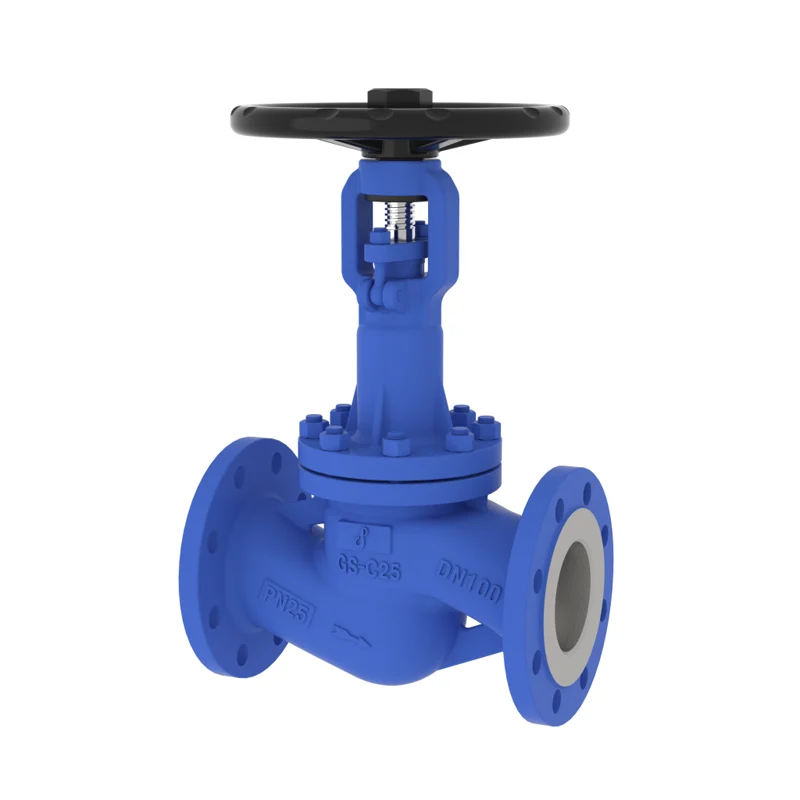
Spenomatic's bellows-seal portfolio uses a bellows and packing arrangement to control leakage around the stem. Published options include DIN and ANSI globe valves, angle configurations and forged-steel designs.
The product family covers steam, thermal oil and other industrial fluid duties. Material and sealing options should be selected for the actual application, with ratings confirmed for the proposed valve.
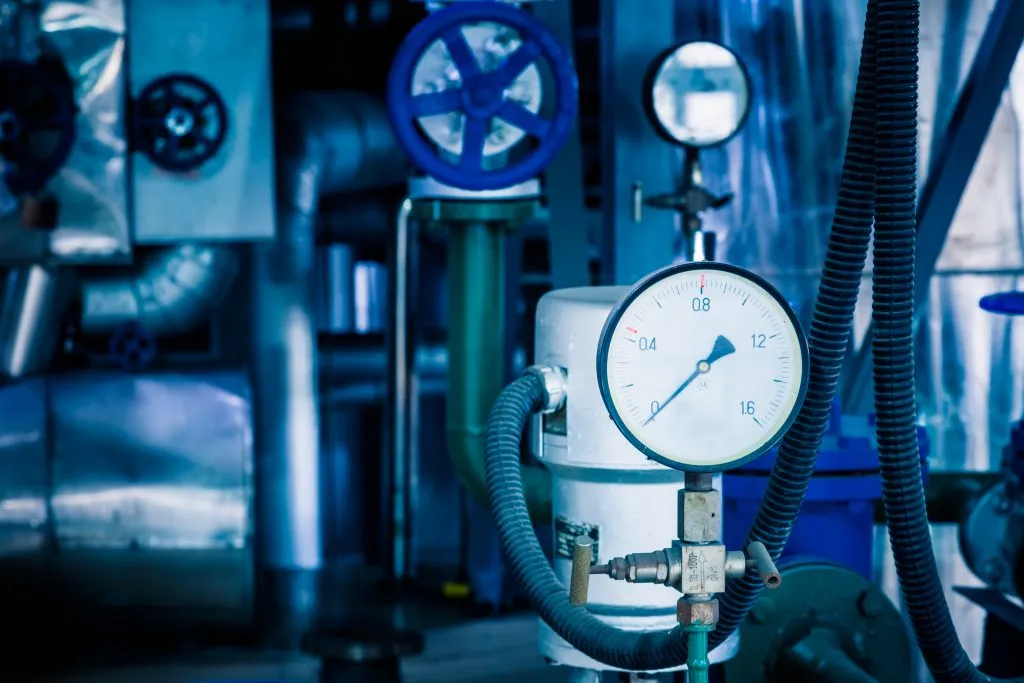
Valve selection considers inlet and outlet conditions, changing demand, actuation and the equipment being served.
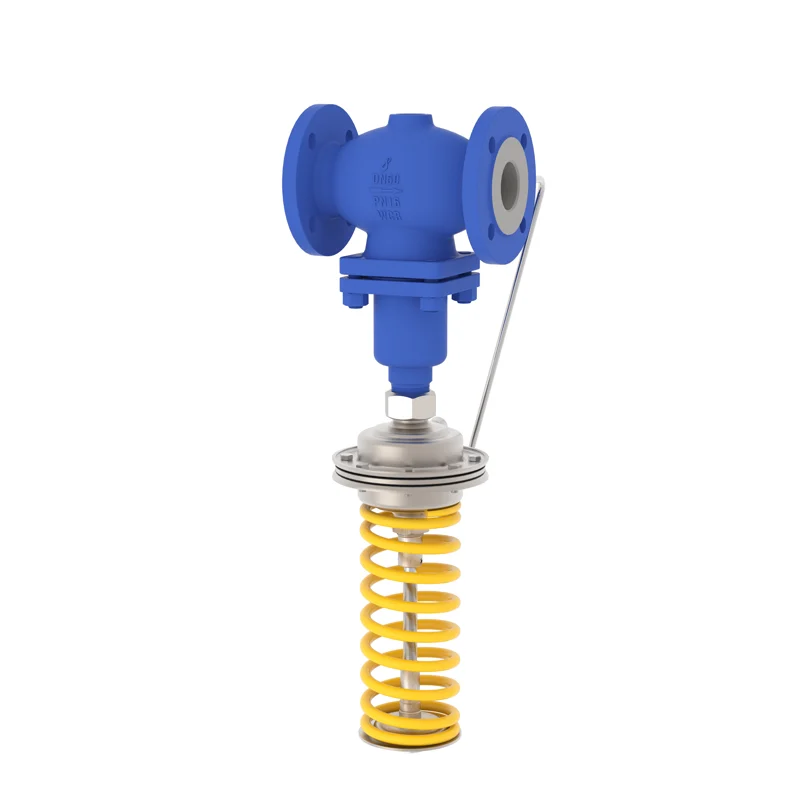
The official self-acting reducing valve uses a diaphragm and spring arrangement to respond to downstream pressure. As outlet pressure changes, valve movement adjusts the flow available to the process.
The relevant selection inputs include supply pressure, required outlet pressure and the range of steam demand. This defines the operating duty before a specific valve is selected.
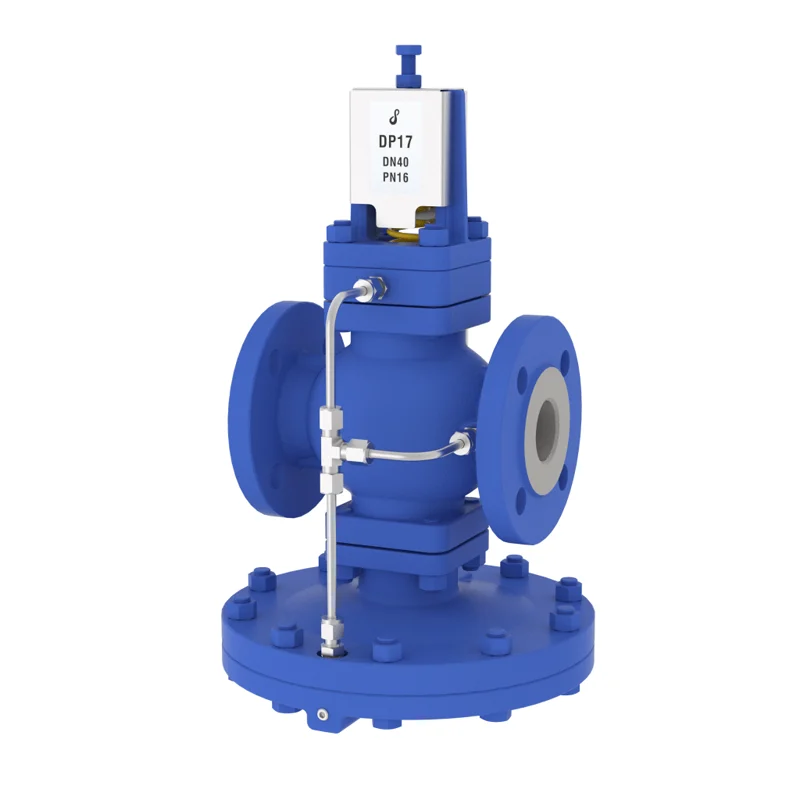
Pilot-operated reducing valves provide another option for managing downstream pressure. Selection considers the steam supply, required outlet conditions and variation in process demand.
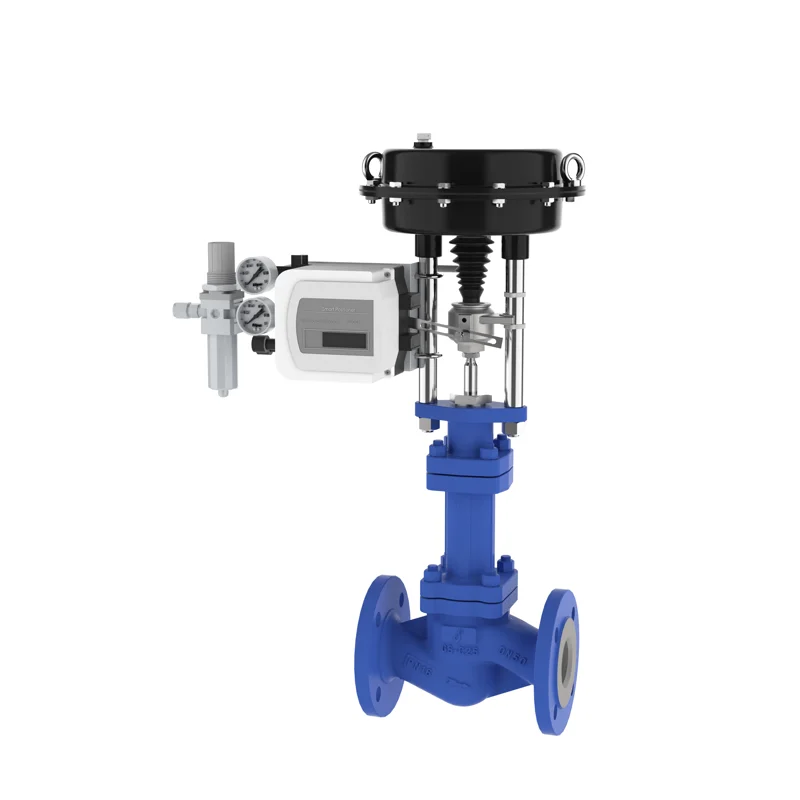
The published control-valve range includes pneumatic actuation. When a valve is part of an automated process, the actuator, available air supply, control signal and response requirements must be considered together.
Selection should also account for the process condition required during loss of the control or motive supply.
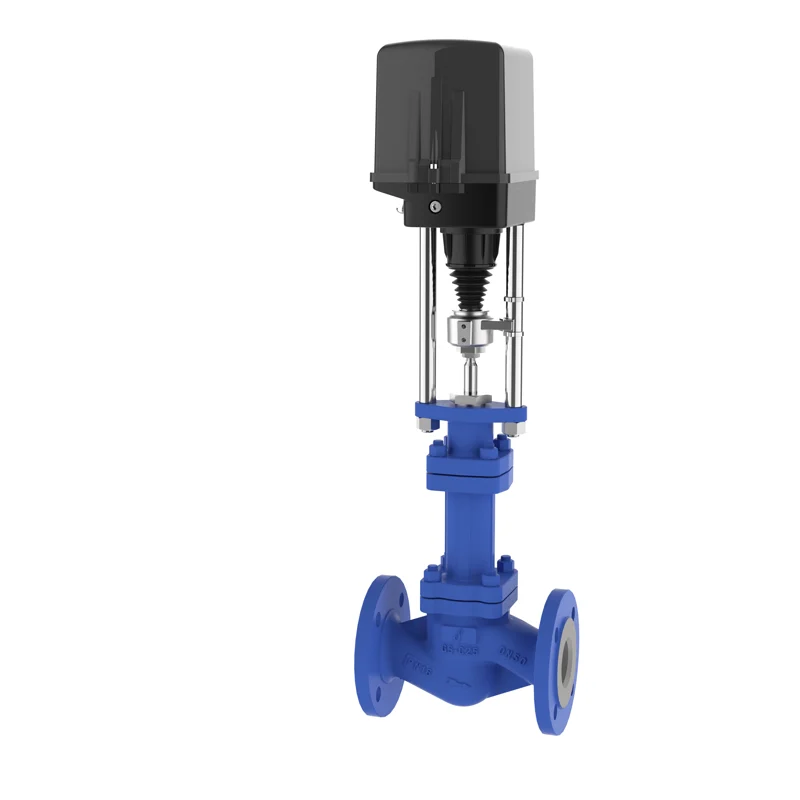
Electrically actuated control valves offer an alternative for plant control arrangements. Review the electrical supply, control interface and required valve movement alongside the fluid and process duty.
The proposed valve and actuator should be specified as a compatible assembly for the application.
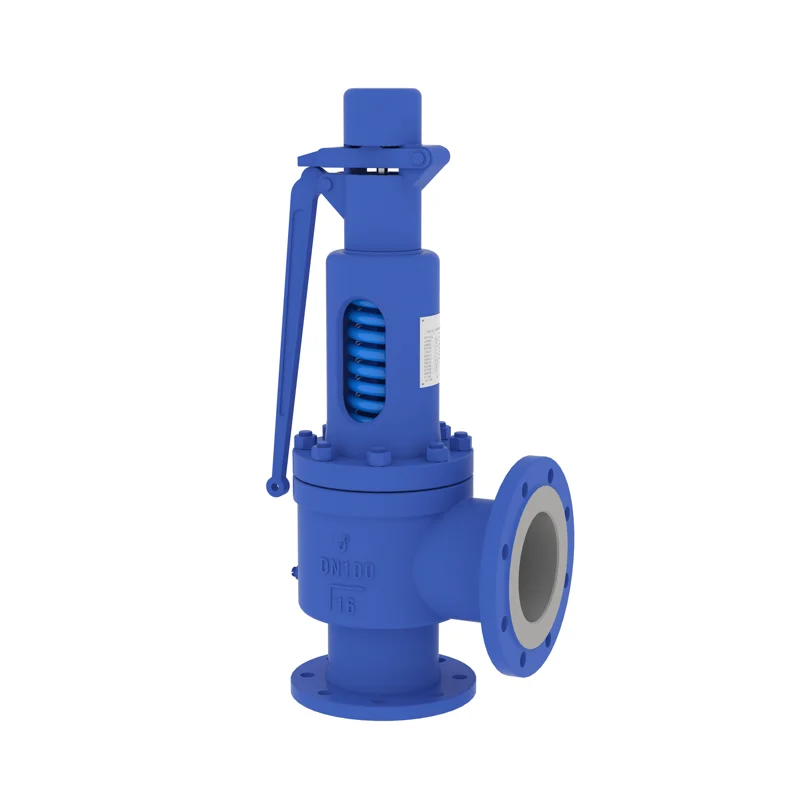
Pressure-reducing equipment controls the working pressure delivered downstream. Safety valves perform a separate relief function when pressure exceeds their set condition.
Spenomatic lists safety valves for steam and other pressurized systems. Relief duty and equipment selection are established through the system design; pressure regulation alone does not define the protection required.
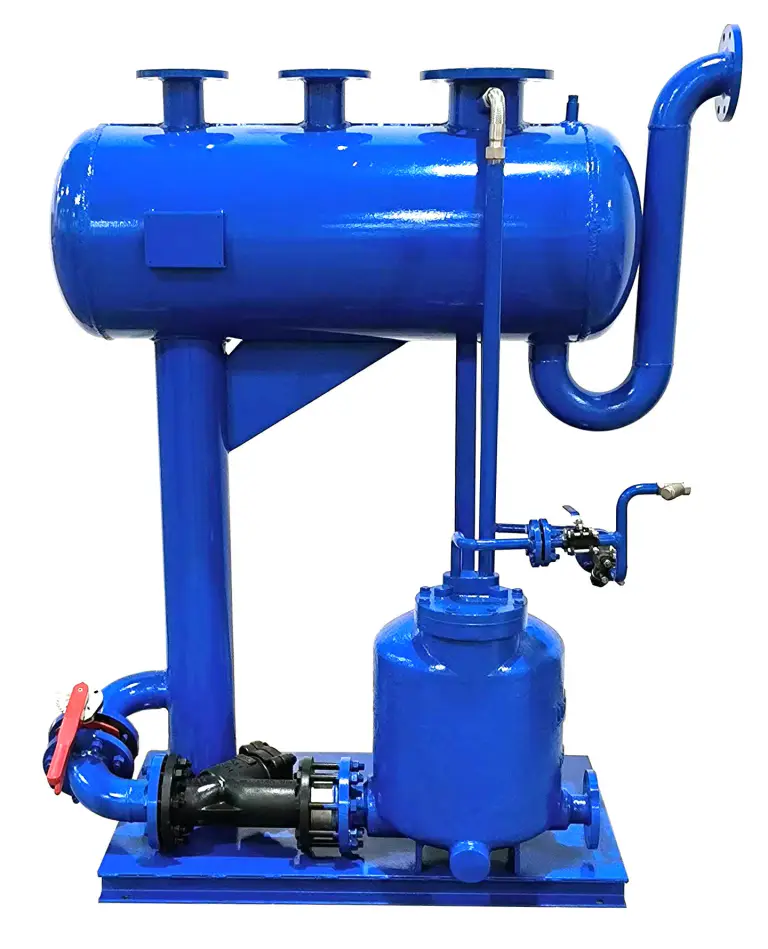
Spenomatic supplies mechanical condensate pumping equipment driven by steam or compressed air, selected for the return-system conditions.
After steam transfers heat, the resulting condensate retains water and thermal energy. A return system can bring suitable condensate back into the utility cycle, reducing the need for replacement water and associated heating.
Spenomatic's mechanical pumping equipment uses steam or compressed air as the motive supply. Its operating cycle alternates between receiving condensate and discharging it into the return system.
This provides an option for condensate transfer without an electric motor at the pump. The equipment must be selected around capacity, motive pressure, inlet arrangements and downstream back pressure.
Useful assessment inputs include condensate temperature, flow variation, return elevation, line conditions and available motive supply. The quality of the recovered condensate also matters to the receiving system.
The proposal should connect the pumping duty to the surrounding receiver, valves and return pipework. These interfaces determine whether recovery equipment can perform as intended.
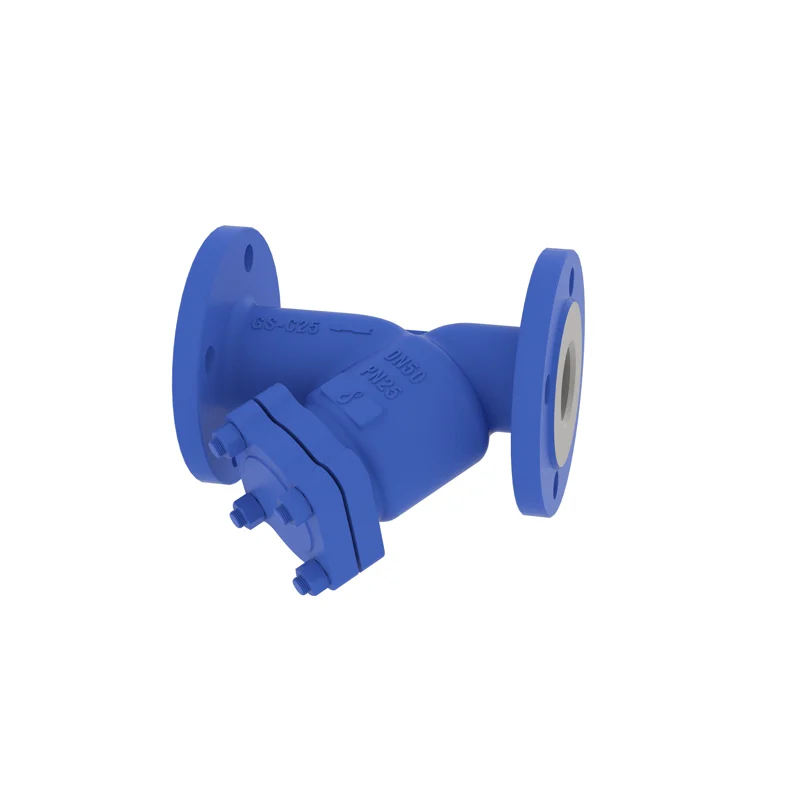
Pipeline accessories support the valves and equipment around them. Strainers can intercept debris that would otherwise reach sensitive components; selection considers the fluid, filtration requirement and allowable pressure drop.
Service access and inspection arrangements should be part of the layout so routine attention can be carried out practically.
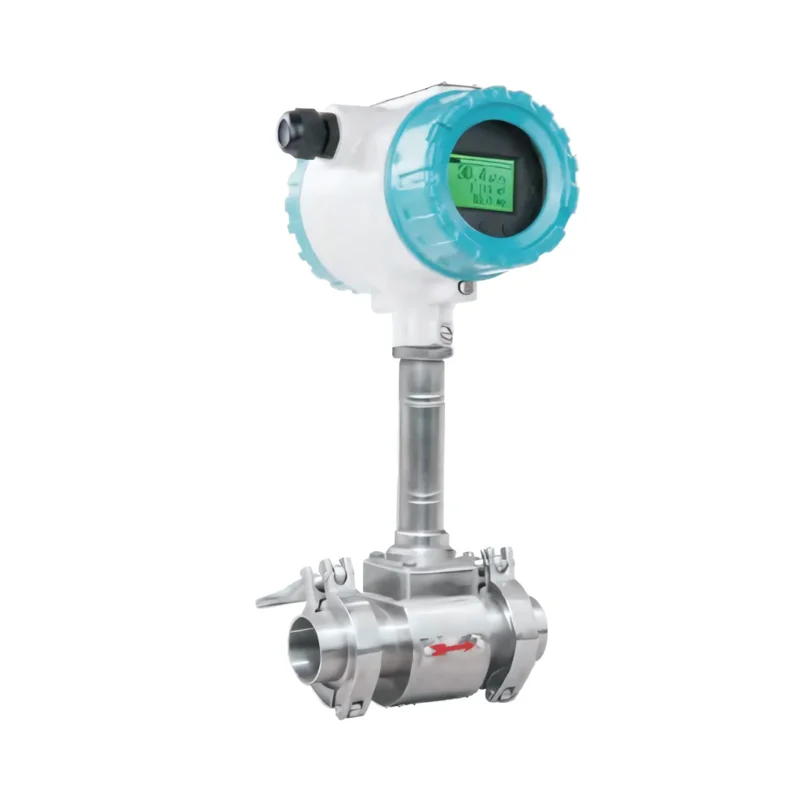
Spenomatic's catalogue includes vortex flow measurement for steam and other fluids. Meter selection and installation must follow the applicable instrument requirements and operating conditions.
Measurements become useful when they answer an operating question: how steam demand changes, where pressure is lost or whether a completed improvement affects consumption. Consistent records provide a basis for comparison over time.
Spenomatic Energy Solutions' published services include energy analysis, equipment condition checks and recommendations for plant improvement. A steam assessment can connect observed problems with the accessories and system conditions involved.
The company offers system design and installation services, followed by performance testing. The scope can address new equipment and its interfaces with existing infrastructure.
The official service offering includes repair, diagnostics, spare parts and preventive maintenance. Planning work around equipment condition and the plant's production schedule helps prioritize the interventions required.
To help scope an assessment or equipment enquiry, share:
This information helps distinguish a replacement request from a broader system change and gives the technical team a basis for the next step.
Explore the Spenomatic Energy Solutions steam system calculators when preparing your operating data or reviewing an initial system requirement.
The tools cover pipe sizing, steam pressure loss, velocity and flow rate, insulation thickness, orifice sizing, condensate load and desuperheating. Use the relevant calculator alongside the product information to prepare a more informed technical enquiry.
Calculator outputs support preliminary assessment. Confirm assumptions, equipment ratings and the final design with the technical team before specifying or changing an installation.
The official range includes steam traps, bellows-seal and isolation valves, pressure-reducing valves, control valves, condensate pumps and pipeline accessories such as strainers, safety valves and flow measurement.
Selection depends on condensate duty, operating differential pressure, air removal, process requirements and installation conditions. The range includes thermodynamic, thermostatic, inverted-bucket and ball-float designs.
The published mechanical condensate pump uses steam or compressed air as its motive supply. The required supply conditions and return pressure must be checked for the selected equipment.
Yes. Its official services include plant optimization audits, energy analysis, equipment condition checks and recommendations for improvement.
Yes. Spenomatic Energy Solutions lists installation, performance testing, repair, spare-parts supply and preventive maintenance among its services.
They serve different purposes. A reducing valve regulates downstream operating pressure; a safety valve provides pressure relief. Their duties are determined within the system design.
Provide the existing model or nameplate, fluid, pressure and temperature, connection details and process duty. Include any operating problems so the replacement can be reviewed against the actual application.
The official portfolio also covers thermal oil, natural gas, refrigeration and hot or cold water applications. Suitability depends on the specific product, materials and operating conditions.
Review Spenomatic Energy Solutions' industrial equipment range, technical services, steam traps, bellows-seal valves, pressure reduction and condensate pumps.
Guides and insights
Practical, source-referenced guidance for engineers and procurement teams.
Start with your steam network
Share your steam pressures, process loads, drainage or return problems and equipment details. Our team will help scope an assessment, replacement or installation.