
For many businesses, managing electricity costs is becoming increasingly challenging. While most organizations focus on the amount of electricity they consume each month, there is another component of energy bills that often goes unnoticed: peak demand charges.
These charges can significantly increase operating expenses, particularly for facilities that use large amounts of power during short periods. Manufacturing plants, warehouses, shopping centers, hotels, commercial offices, and agricultural operations frequently encounter high demand charges that add substantial costs to their monthly electricity bills.
The good news is that solar energy can help businesses address this challenge. Beyond reducing overall electricity consumption, solar systems can play an important role in lowering peak demand and improving energy cost management.
Understanding how peak demand charges work and how solar can reduce their impact is essential for organizations seeking greater efficiency and long-term savings.
What Are Peak Demand Charges?
Peak demand charges are fees based on the highest level of electricity demand a facility reaches during a specific billing period. Unlike standard energy charges, which are calculated according to the total amount of electricity consumed, demand charges are linked to the maximum power required at any one time.
For example, a factory may operate efficiently for most of the month but experience a short period when several large machines start simultaneously. That brief surge in electricity demand can increase the facility’s peak demand measurement and result in higher charges on the utility bill.
This means a business may pay not only for the electricity it uses but also for the maximum amount of power it requires during peak periods.
For energy-intensive operations, these charges can represent a significant portion of overall electricity costs.
Why Peak Demand Matters for Businesses
Many commercial and industrial facilities experience fluctuations in energy usage throughout the day. Certain activities, processes, or equipment can create sudden spikes in demand that increase electricity expenses.
Common causes of high peak demand include:
- Starting heavy machinery
- Operating multiple production lines simultaneously
- Large refrigeration systems
- HVAC equipment during hot weather
- Water pumping systems
- Material handling equipment
- Electric vehicle charging infrastructure
Because utilities must maintain sufficient capacity to meet these peak requirements, demand charges are used to recover infrastructure and generation costs.
For businesses, however, these charges can create financial pressure and reduce operational efficiency.
Reducing peak demand often becomes one of the most effective ways to lower energy costs.
How Solar Energy Reduces Peak Demand
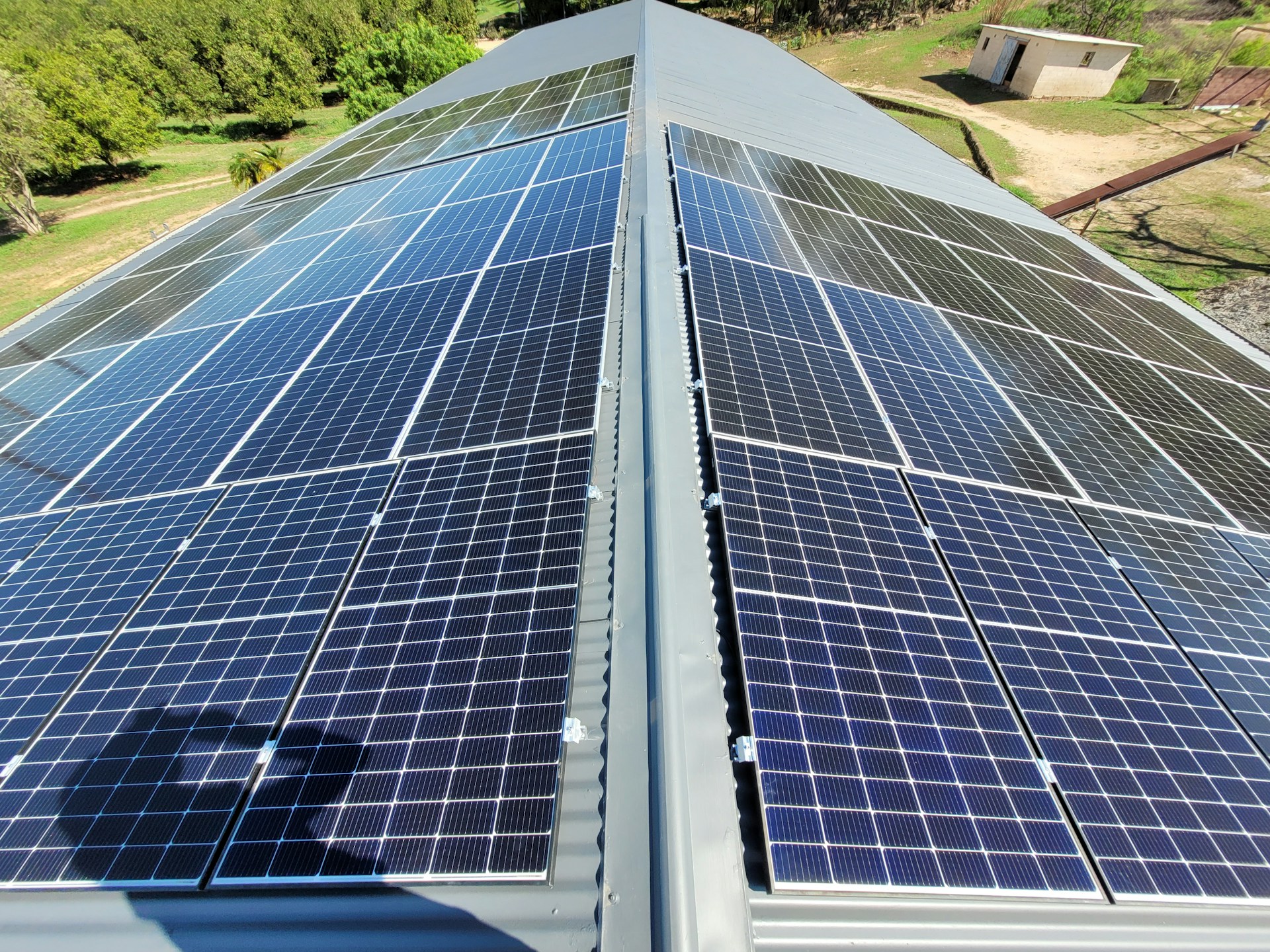
Solar energy helps businesses lower peak demand by generating electricity on-site during daylight hours when many facilities experience their highest energy consumption.
Instead of drawing all required electricity from the grid, the business uses solar-generated power to meet part of its energy needs.
As a result, the facility’s demand on the utility network is reduced.
For example, a warehouse operating throughout the day may rely heavily on lighting, office equipment, refrigeration systems, and material handling equipment. A properly designed solar system can offset a significant portion of this electricity demand, reducing the facility’s peak load and helping lower demand-related charges.
This reduction can generate savings that extend beyond simple energy consumption reductions.
Solar Aligns Well with Business Operating Hours
One of the reasons solar is particularly effective for commercial facilities is that solar production often coincides with business operating hours.
Most businesses consume the highest amount of electricity during the daytime, which is also when solar panels generate the most energy.
This natural alignment allows organizations to use solar power directly as it is produced rather than relying entirely on grid electricity.
Facilities such as:
- Factories
- Warehouses
- Retail centers
- Office buildings
- Educational institutions
- Hotels
- Agricultural processing facilities
can often benefit significantly from this overlap between solar generation and operational energy demand.
The more solar energy that is consumed directly on-site, the greater the potential reduction in demand-related costs.
The Role of Battery Storage
While solar panels help reduce daytime peak demand, battery storage can provide even greater flexibility.
Battery systems store excess solar energy generated during periods of lower demand and release it when electricity consumption increases.
This approach allows businesses to manage demand spikes more effectively.
Instead of drawing large amounts of electricity from the grid during peak periods, the facility can use stored energy from its battery system.
Benefits of combining solar with battery storage include:
- Lower peak demand charges
- Improved energy resilience
- Better utilization of solar energy
- Reduced reliance on grid electricity
- Greater control over energy costs
Organizations such as the International Renewable Energy Agency (IRENA) continue to highlight energy storage as an important technology for improving energy flexibility and supporting renewable energy adoption.
Beyond Cost Savings: Additional Business Benefits
While reducing peak demand charges can deliver substantial financial benefits, solar energy provides value in several other areas as well.
Businesses often experience:
Lower Overall Electricity Costs
Solar-generated electricity reduces the amount of power purchased from the grid, creating ongoing operational savings.
Improved Cost Predictability
Generating energy on-site helps reduce exposure to future utility price increases.
Enhanced Sustainability Performance
Solar energy supports environmental goals by reducing dependence on conventional electricity sources and lowering carbon emissions.
Greater Energy Independence
Organizations gain more control over their energy supply and reduce vulnerability to external market fluctuations.
These benefits contribute to a stronger long-term business case for solar investment.
Identifying Peak Demand Opportunities
Many businesses are unaware of how much peak demand charges contribute to their monthly electricity bills.
An energy assessment can help identify opportunities for improvement by analyzing:
- Consumption patterns
- Demand spikes
- Equipment usage schedules
- Operational processes
- Energy cost structures
This information provides valuable insight into how solar and energy management strategies can reduce demand-related expenses.
Professional energy analysis often uncovers savings opportunities that may not be immediately visible through utility bills alone.
Supporting Long-Term Business Growth
As organizations expand, energy requirements often increase.
New equipment, additional production capacity, expanded facilities, and digital technologies can all contribute to higher electricity demand.
Without proper planning, these changes may lead to larger demand charges and increased operating costs.
Solar energy helps businesses prepare for future growth by establishing on-site generation capacity that can offset rising energy needs.
Resources from the International Energy Agency (IEA) consistently emphasize the role of renewable energy and energy efficiency in supporting sustainable economic and industrial development.
For forward-thinking organizations, solar represents both an energy solution and a strategic business investment.
The Importance of Proper System Design
Not all solar systems deliver the same results.
To effectively reduce peak demand charges, the system must be designed around the facility’s specific energy profile.
Factors that influence system performance include:
- Operating hours
- Demand patterns
- Facility size
- Equipment usage schedules
- Future expansion plans
- Battery storage requirements
A detailed energy assessment helps ensure the solar solution addresses both energy consumption and peak demand challenges.
This strategic approach maximizes financial returns and operational benefits.
Conclusion
Peak demand charges can represent a significant and often overlooked component of business electricity costs. While many organizations focus on reducing overall energy consumption, managing demand spikes can create additional opportunities for substantial savings.
Solar energy helps businesses lower peak demand by generating electricity when it is needed most, reducing reliance on the grid during high-consumption periods. When combined with battery storage and intelligent energy management strategies, solar can further enhance cost savings, improve energy resilience, and support long-term operational efficiency.
As businesses across Kenya continue seeking ways to control energy expenses and strengthen sustainability performance, solar is becoming an increasingly valuable solution. Spenomatic Solar helps organizations design energy systems that not only reduce electricity consumption but also address peak demand challenges that impact profitability.
For many businesses, the path to lower energy costs is not just about using less electricity. It is about using energy more intelligently.
Frequently Asked Questions (FAQs)
1. What are peak demand charges?
Peak demand charges are fees based on the highest level of electricity demand a facility reaches during a billing period, rather than the total electricity consumed.
2. How does solar help reduce peak demand charges?
Solar systems generate electricity on-site during daylight hours, reducing the amount of power businesses need to draw from the grid during peak periods.
3. Which businesses benefit most from reducing peak demand?
Manufacturing facilities, warehouses, hotels, shopping centers, office buildings, agricultural operations, and other energy-intensive businesses often benefit significantly.
4. Can battery storage further reduce demand charges?
Yes. Battery systems can store energy and release it during periods of high electricity demand, helping reduce demand spikes and associated costs.
5. How can a business identify opportunities to lower peak demand charges?
A professional energy assessment can analyze electricity usage patterns, identify demand spikes, and recommend strategies such as solar energy and battery storage solutions.