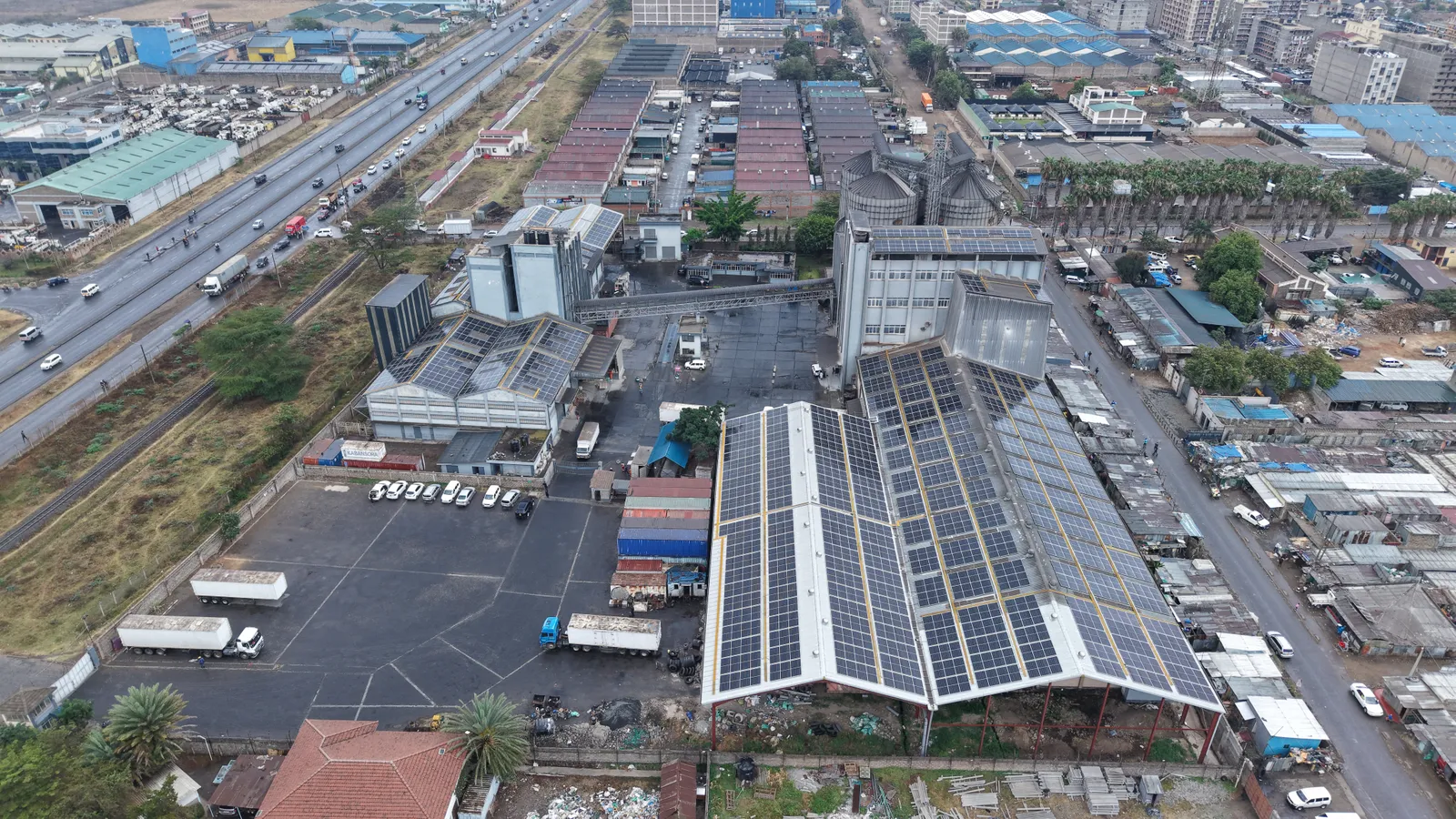
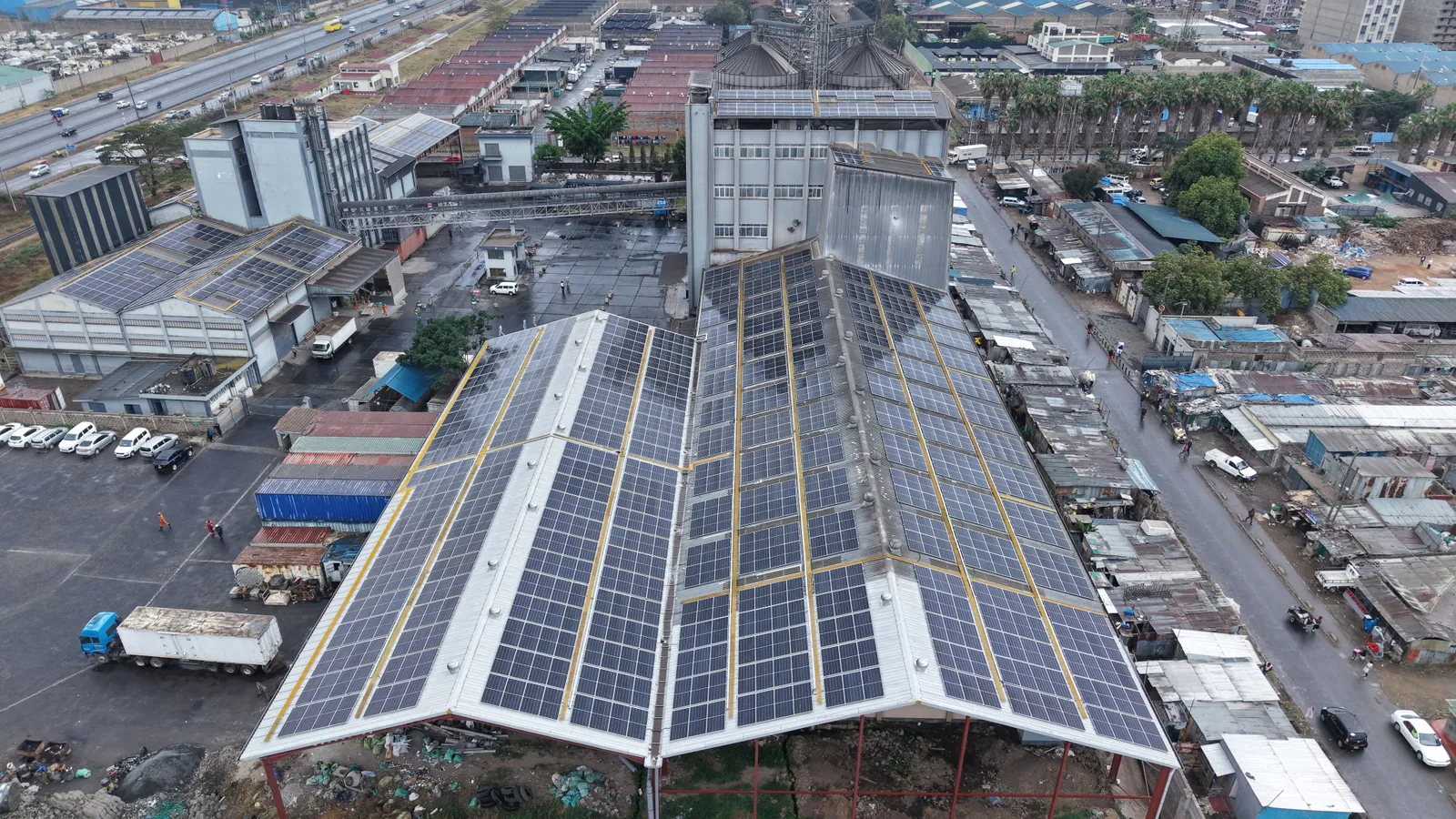
Spenomatic installed rooftop solar PV across the main mill building and production roofs at Kabansora Millers, supplying daytime power to an active grain-milling facility.
Project at a glance
Client
Kabansora Millers
Sector
Grain milling and food processing
System type
Rooftop solar PV
Roofs used
Main mill building and adjacent production buildings
Scope
Solar PV engineering, procurement and installation on an operating site
Why solar suits a grain mill
Milling is electricity-intensive. Roller and hammer mills, conveyors and elevators, aspiration and dust-collection fans, and compressed-air systems are all driven by electric motors that run for long hours during production shifts.
Because much of that demand falls in daylight hours, a rooftop solar plant can feed power straight into the mill’s own consumption, reducing the grid electricity it buys during the day. Large industrial roofs also give mills the space to install a meaningful amount of generation without using land.
What the site shows
The drone photos taken in September 2026 show the system working on a fully operational site:
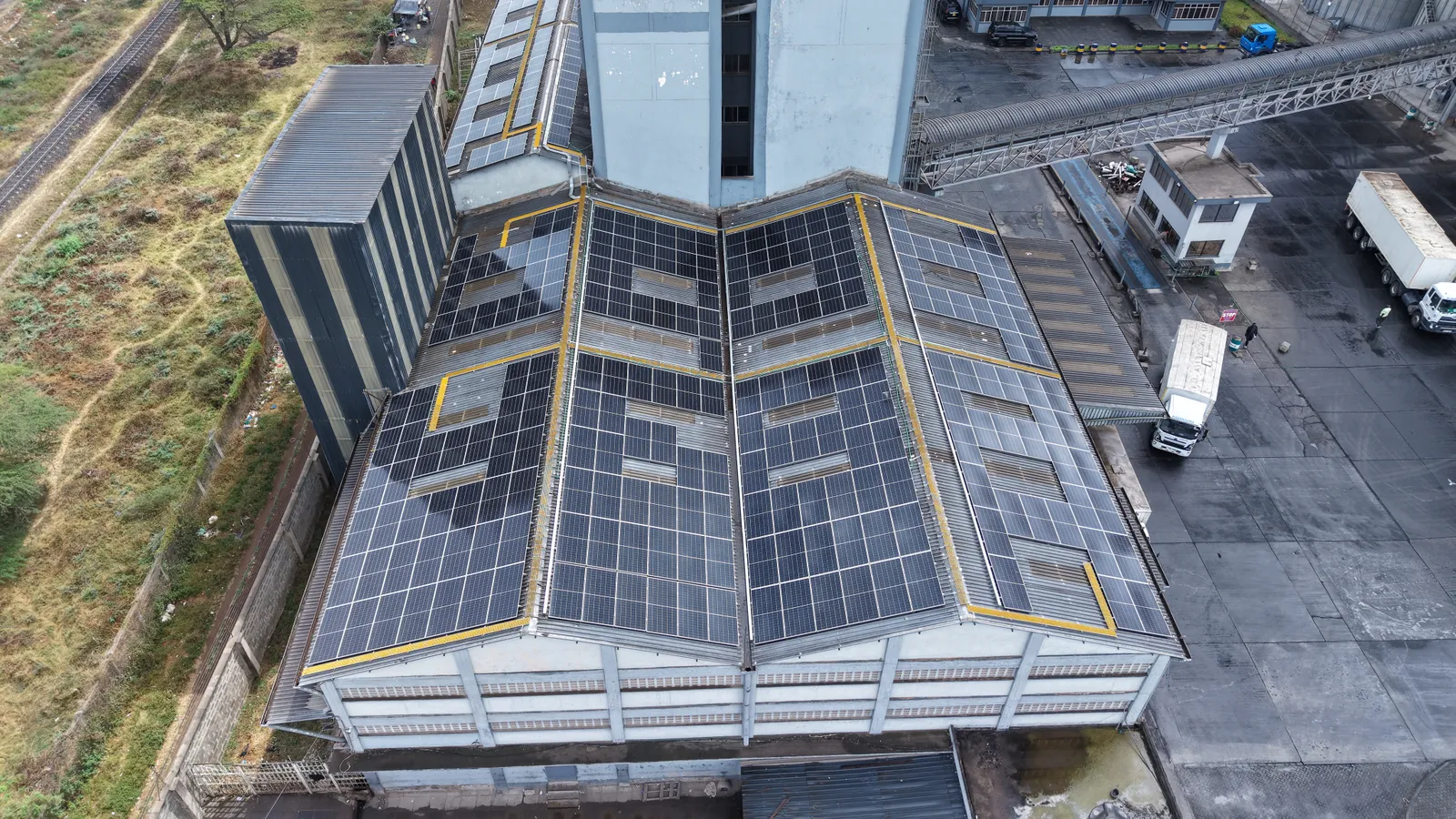
The main mill hall. Continuous rows of panels cover both slopes of the long pitched roof, making use of the building’s full length.
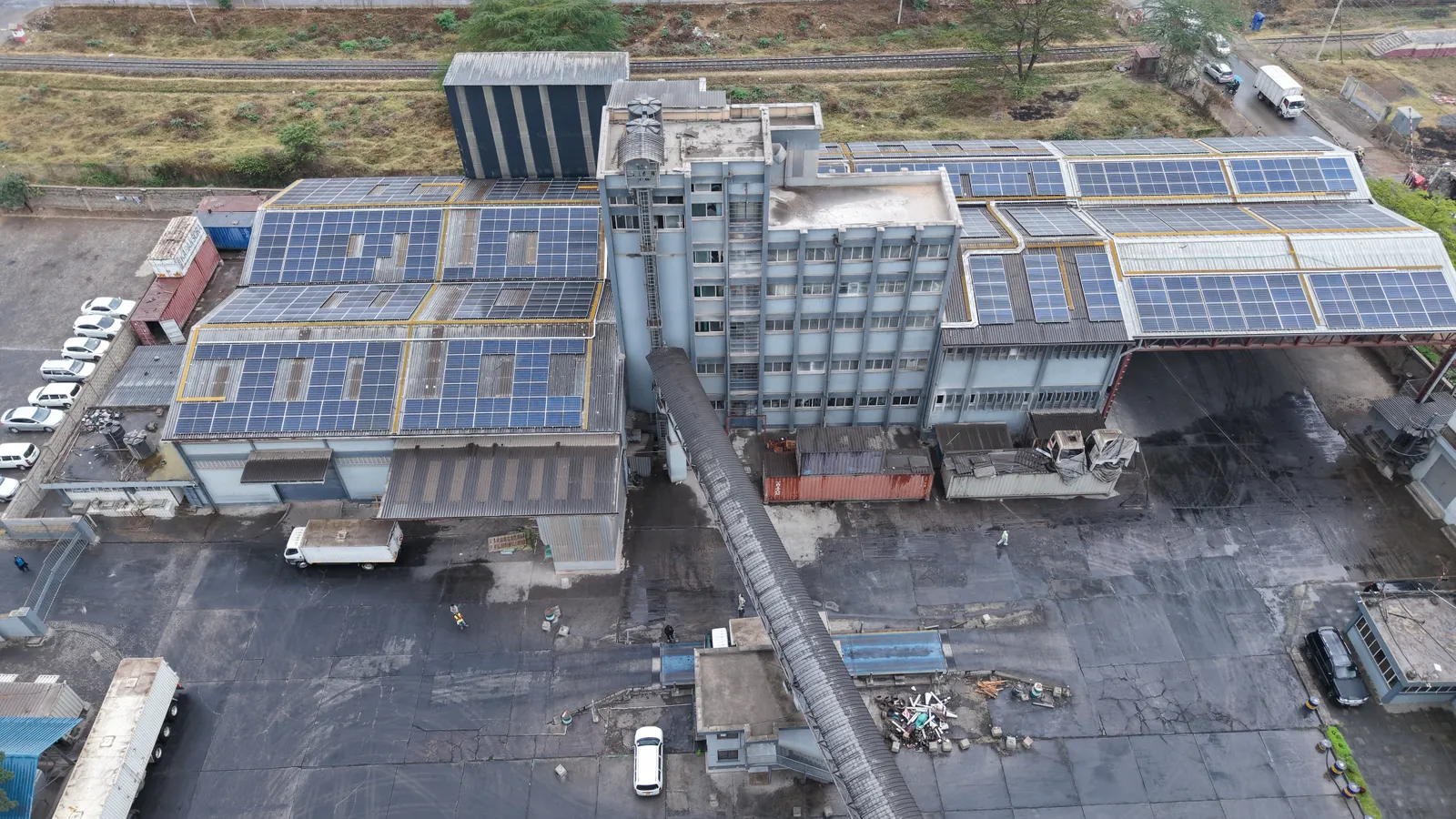
Access lanes on the roof. Clear lines run between panel blocks, giving safe routes for inspection, cleaning and roof maintenance.
Production buildings. Further arrays sit on the roofs of the production buildings beside the mill tower.
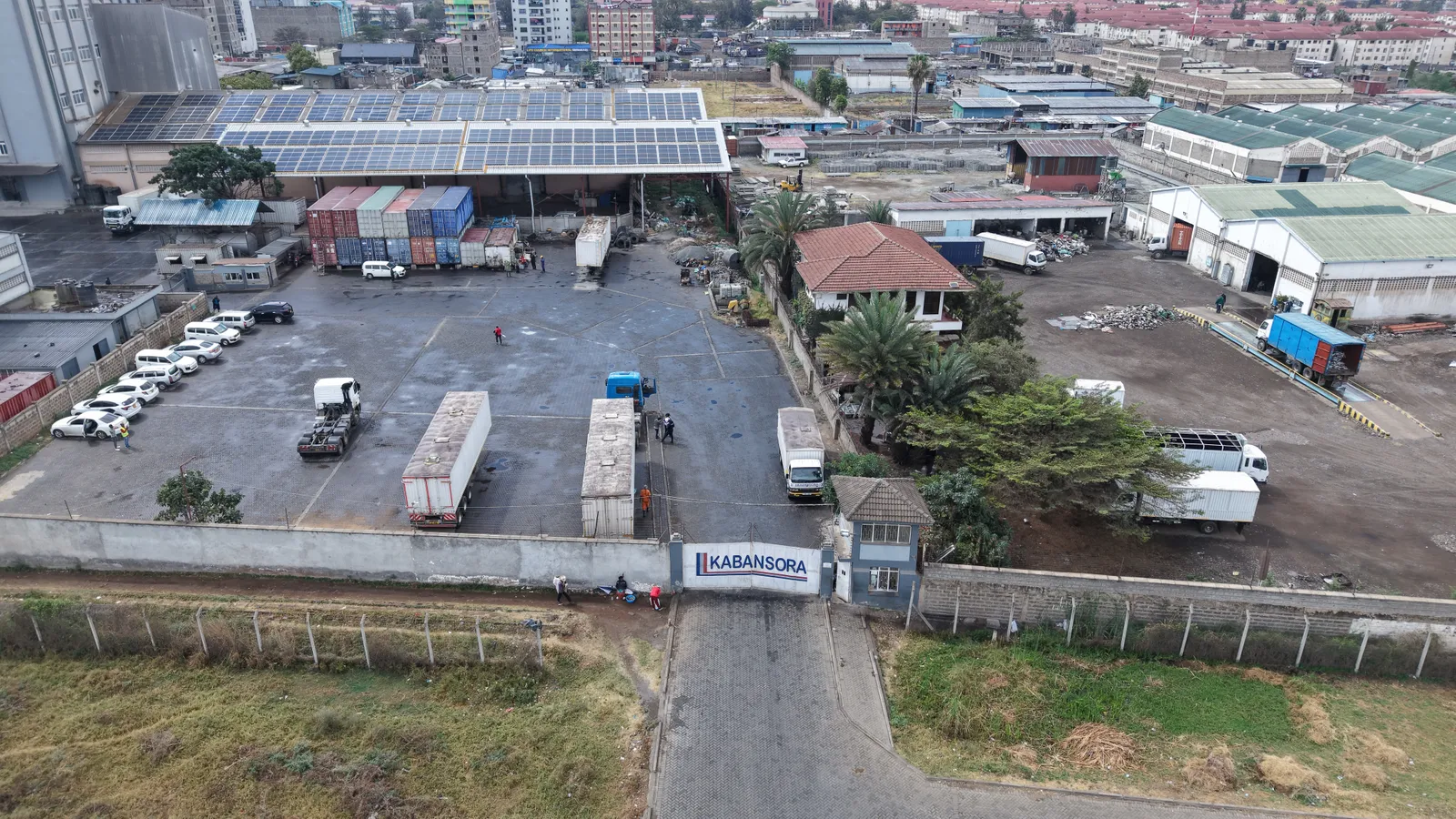
An active yard. Trucks and loading activity continue around the buildings, showing the solar plant running alongside day-to-day operations.
Engineering solar for a milling environment
Dust management. Flour and grain dust can settle on panels and reduce output. Mills need a cleaning schedule and performance monitoring that flags soiling losses early.
Roof structure. Long-span industrial roofs are checked for their ability to carry the mounting system and panels, and fixings are chosen to protect the roof sheeting.
Motor-heavy loads. Inverters and protection are designed to integrate with large motor loads and the site’s existing electrical distribution without affecting production.
Working on a live site. Installation is sequenced around shifts, deliveries and loading so the mill keeps running.
Project photos
Site overview with the main mill roof.Panel rows on the pitched mill roof.Arrays on the production buildings.Site entrance and yard.
How Spenomatic delivers industrial rooftop solar
Load and site assessment. Production schedules, daytime and night-time consumption, roof structure, shading and the existing electrical installation.
Engineering and design. Array layout, structural and electrical design, inverter sizing and protection for motor-heavy loads.
Procurement. Modules, inverters, mounting systems and balance-of-system components.
Installation. Mounting, DC and AC electrical works and grid integration, planned around production.
Testing and commissioning. Electrical and protection testing, inverter commissioning and monitoring setup.
Operations and maintenance. Remote monitoring, inspections, cleaning strategies and fault response.
Solar in Kenya’s food and milling industry
Captive solar is now a mainstream choice for Kenyan manufacturers. EPRA statistics for the year to June 2025 put Kenya’s installed solar capacity at 514.1 MW, with 300.5 MW of that installed by businesses and institutions to power their own sites.
Questions millers ask about solar
Will flour dust stop the panels working?
Dust reduces output if it is left to build up, but it does not stop the system. Regular cleaning and monitoring keep performance where it should be.
Can solar run a mill at night?
Not on its own. A grid-tied system supplies daytime demand, and the grid or generators cover night shifts. Battery storage can extend solar use where the business case supports it.
Do pitched factory roofs work for solar?
Yes. Panels can be mounted on both slopes of a pitched roof, as the Kabansora Millers mill hall shows, provided the structure is assessed first.