
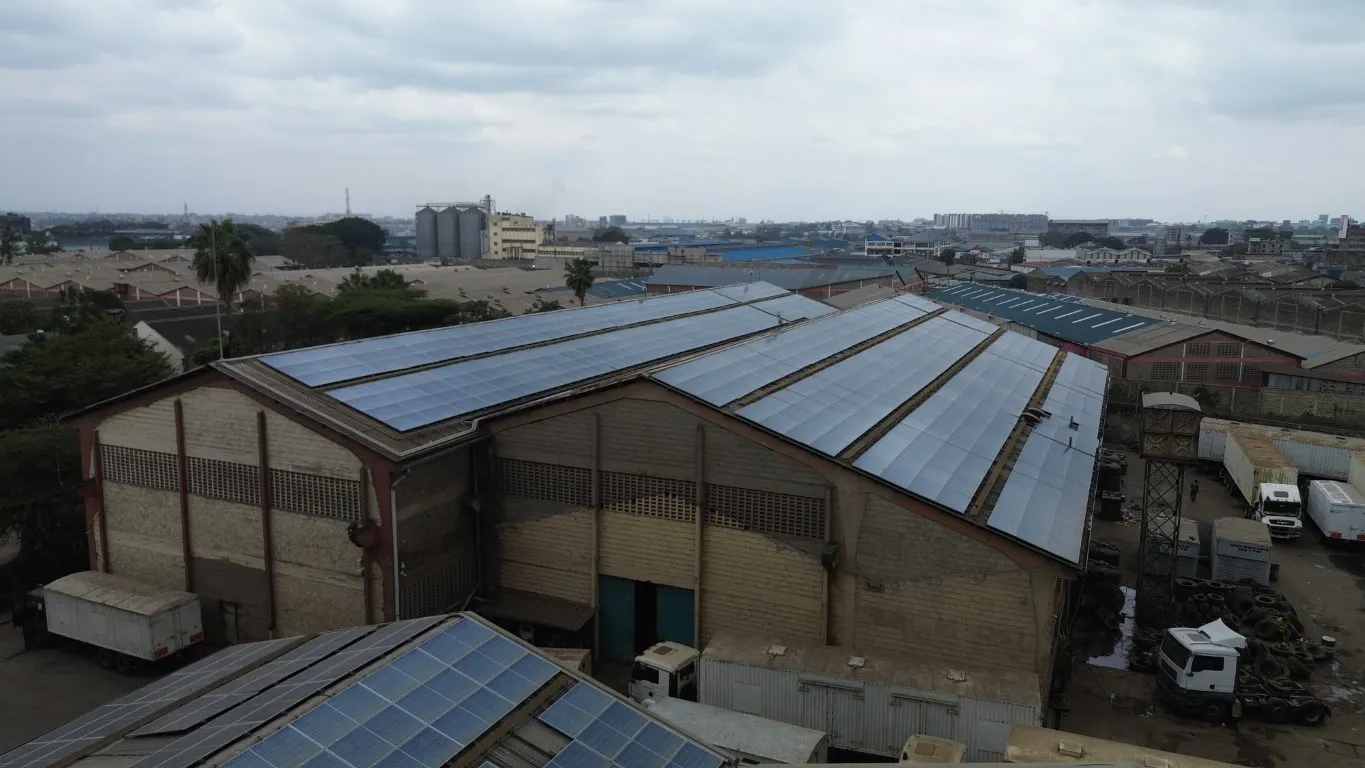
Warehouses are the backbone of modern supply chains. They support manufacturing, distribution, e-commerce, retail, agriculture, and logistics operations by ensuring products are stored, managed, and delivered efficiently.
However, running a warehouse comes with significant operational costs, and energy is often one of the largest recurring expenses.
Lighting, security systems, refrigeration equipment, material handling systems, ventilation, office spaces, and technology infrastructure all require reliable electricity. As energy prices continue to rise, warehouse operators are increasingly looking for ways to reduce costs without disrupting daily operations.
This is where solar for warehouses is proving to be a valuable solution.
Modern solar energy systems allow warehouse owners to reduce electricity expenses, improve energy security, and support sustainability goals while maintaining smooth and uninterrupted operations. Rather than slowing productivity, solar power can help create a more efficient and cost-effective warehouse environment.
Why Warehouses Consume Significant Energy
Many people assume warehouses use relatively little electricity compared to manufacturing facilities.
In reality, modern warehouses can have substantial energy demands.
Common sources of energy consumption include:
- High-bay lighting systems
- Security and surveillance equipment
- Climate control systems
- Refrigeration and cold storage units
- Conveyor systems
- Forklift charging stations
- Inventory management technologies
- Office and administrative facilities
For large warehouses operating extended hours or around the clock, electricity costs can become a major operational challenge.
Reducing these expenses without affecting productivity is a priority for many businesses.
Why Solar Makes Sense for Warehouses
Warehouses are often ideal candidates for solar energy installations.
One of the biggest advantages is the large amount of available roof space.
Unlike office buildings with complex roof designs, warehouses typically feature expansive rooftops that can accommodate substantial solar panel installations.
This allows businesses to generate significant amounts of electricity without affecting operational space.
Solar energy can help warehouses:
- Lower electricity costs
- Improve energy predictability
- Reduce dependence on grid power
- Support sustainability initiatives
- Strengthen energy resilience
Most importantly, these benefits can be achieved without disrupting daily warehouse activities.
Reducing Operating Costs
One of the strongest arguments for investing in solar for warehouses is the opportunity to reduce operating expenses.
Electricity costs directly affect profitability, particularly for facilities with large lighting systems and continuous operations.
By generating electricity on-site, warehouses can reduce the amount of energy purchased from the grid.
Over time, this can result in substantial cost savings.
The savings become even more valuable when electricity tariffs increase, as solar-generated energy helps offset future utility expenses.
For warehouse operators seeking long-term cost control, solar energy provides a practical and predictable solution.
Maintaining Productivity Without Interruption
A common concern among warehouse operators is whether a solar installation will interfere with ongoing operations.
Fortunately, modern solar projects are designed to minimize disruption.
Most installation work takes place on the roof, allowing warehouse activities to continue normally.
Inventory management, shipping operations, receiving activities, and administrative functions can generally proceed without interruption.
Once installed, solar systems operate quietly in the background while generating electricity throughout the day.
Employees and customers often notice little change beyond the reduced energy costs.
This makes solar one of the least disruptive infrastructure improvements a warehouse can undertake.
Supporting Energy Reliability
Reliable electricity is essential for warehouse operations.
Power interruptions can affect inventory systems, security infrastructure, communication networks, refrigeration units, and operational efficiency.
Solar energy can contribute to greater energy resilience, particularly when paired with battery storage systems.
Battery storage allows excess solar energy to be saved and used when needed.
Benefits may include:
- Backup power during outages
- Improved operational continuity
- Reduced dependence on generators
- Better protection for critical systems
- Increased energy security
For warehouses that rely on continuous operations, improved reliability can be just as valuable as direct cost savings.
Enhancing Sustainability Goals
Sustainability is becoming increasingly important across supply chains and logistics networks.
Customers, investors, and business partners are paying closer attention to environmental performance.
Solar energy supports sustainability objectives by reducing dependence on conventional electricity sources and lowering carbon emissions.
Organizations such as the International Renewable Energy Agency (IRENA) continue to emphasize the importance of renewable energy in reducing emissions and supporting sustainable industrial growth.
For warehouse operators, solar energy can help demonstrate environmental responsibility while also improving operational efficiency.
Maximizing Underutilized Roof Space
Warehouse roofs represent a valuable but often underutilized asset.
Most rooftops serve little purpose beyond weather protection.
Solar installations transform this unused space into a productive energy-generating asset.
Rather than leaving the roof idle, businesses can use it to offset operational costs and improve energy performance.
This ability to generate value from existing infrastructure makes solar particularly attractive for warehouse environments.
The larger the available roof area, the greater the potential energy production.
Improving Long-Term Financial Performance
Energy savings are not limited to the first few years after installation.
A properly designed solar system can continue generating electricity for decades.
This means warehouse operators may benefit from long-term reductions in energy costs while improving financial predictability.
Solar energy can help businesses:
- Improve cash flow
- Reduce operating expenses
- Increase return on facility investments
- Strengthen long-term profitability
- Protect against rising electricity prices
For organizations focused on sustainable growth, these financial advantages can be significant.

Preparing for Future Energy Demands
Warehouse operations continue to evolve.
Automation, digital inventory systems, electric material handling equipment, and advanced logistics technologies are increasing energy requirements.
As facilities become more technologically sophisticated, electricity demand is likely to grow.
Investing in solar energy today helps prepare warehouses for these future needs.
By establishing on-site energy generation capacity, businesses create a stronger foundation for expansion and modernization.
Resources from the International Energy Agency (IEA) consistently highlight the role of renewable energy and energy efficiency in supporting future industrial growth.
Forward-thinking warehouse operators are already incorporating solar energy into their long-term strategies.
Choosing the Right Solar Solution
Every warehouse has unique energy requirements.
Factors such as facility size, operating hours, electricity consumption patterns, roof conditions, and future growth plans should all be considered during system design.
A professional assessment helps ensure the solar installation aligns with business objectives and delivers maximum value.
Proper planning is essential for achieving the best possible financial and operational outcomes.
Conclusion
Solar for warehouses offers a practical way to reduce energy costs without slowing operations. By utilizing available roof space, generating clean electricity, and improving energy resilience, warehouse operators can strengthen both operational performance and long-term profitability.
Unlike many infrastructure upgrades, solar installations typically cause minimal disruption while delivering benefits that continue for decades. Lower utility bills, improved sustainability performance, greater energy security, and protection from rising electricity costs all contribute to a stronger business case.
As warehousing and logistics continue to evolve across Kenya and the wider African market, energy management will become increasingly important. Spenomatic Solar is helping businesses implement solar solutions that reduce operational costs while supporting reliable and efficient warehouse operations.
For warehouse owners looking to improve performance without compromising productivity, solar energy represents an investment that delivers value both today and well into the future.
Frequently Asked Questions (FAQs)
1. Why are warehouses good candidates for solar energy?
Warehouses typically have large roof areas that can accommodate solar panels, making it possible to generate significant amounts of electricity without affecting operational space.
2. Will installing solar panels disrupt warehouse operations?
In most cases, no. Installation work is primarily completed on the roof, allowing warehouse activities to continue with minimal interruption.
3. Can solar energy reduce warehouse electricity costs?
Yes. Solar systems generate electricity on-site, reducing dependence on grid power and helping lower monthly energy expenses.
4. Can solar support warehouse operations during power outages?
When combined with battery storage systems, solar energy can provide backup power for critical systems and improve operational resilience.
5. How long do warehouse solar systems last?
Most commercial solar systems are designed to operate for 25 years or more with proper maintenance, providing long-term energy savings and operational benefits.