
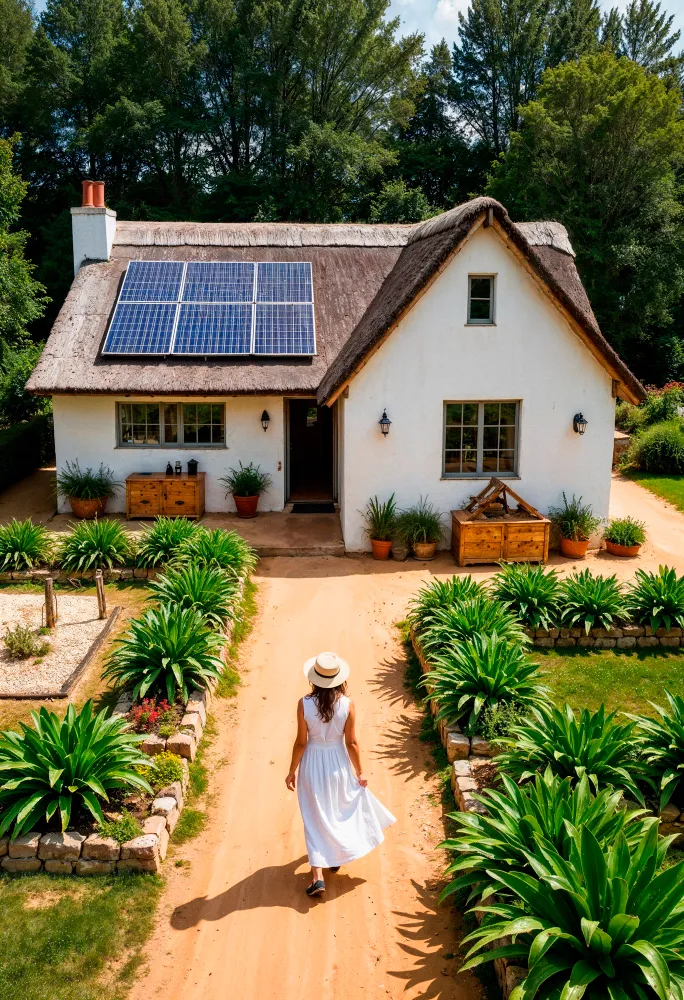
Installing a solar energy system is one of the smartest investments a homeowner can make today. It reduces dependence on grid electricity, lowers energy costs, and provides greater control over household energy consumption.
However, many homeowners make the mistake of designing a solar system based only on their current needs.
While that may seem practical at first, homes evolve over time. Families grow, energy consumption increases, new appliances are added, and technologies such as electric vehicles, home offices, smart home devices, and battery storage become part of everyday life.
A solar system that meets today’s needs may struggle to support tomorrow’s demands.
This is why designing a future-ready home solar system from the beginning is so important. A well-planned system can adapt to changing energy requirements, maximize long-term savings, and reduce the need for costly upgrades in the future.
Thinking ahead during the design phase can make a significant difference in both performance and return on investment.

What Does a Future-Ready Home Solar System Mean?
A future-ready home solar system is designed not only for current energy usage but also for anticipated future needs.
Rather than focusing solely on today’s electricity bill, homeowners consider how their lifestyle and energy demands may change over the next ten to twenty years.
A future-ready system takes into account:
- Family growth
- Additional appliances
- Electric water heating
- Home office expansion
- Electric vehicle charging
- Battery storage upgrades
- Smart home technologies
- Rising electricity costs
By planning for these possibilities early, homeowners create a solar solution that remains effective and valuable for years to come.
Start with a Comprehensive Energy Assessment
The foundation of any successful solar project is understanding energy consumption.
Many homeowners only look at their current monthly electricity bill when sizing a system. While this provides useful information, it rarely tells the complete story.
A comprehensive assessment should consider:
- Current energy usage
- Seasonal variations
- Planned renovations
- Future appliance purchases
- Expected household growth
- Backup power requirements
For example, a homeowner planning to install air conditioning, a swimming pool pump, or an electric vehicle charger within the next few years should account for these future demands during system design.
The more accurately future needs are anticipated, the more effective the solar investment becomes.
Choose a Scalable Solar System
Scalability is one of the most important features of a future-ready home solar system.
A scalable design allows homeowners to expand the system as their energy needs increase.
This may include:
- Adding more solar panels
- Increasing battery storage capacity
- Upgrading inverter capabilities
- Expanding backup power coverage
Starting with equipment that supports future expansion can save significant costs compared to replacing major components later.
A scalable system provides flexibility while protecting the homeowner’s long-term investment.
Select the Right Inverter from the Beginning
The inverter is often referred to as the heart of a solar energy system.
It converts electricity generated by solar panels into usable power for the home.
Choosing the right inverter is critical when designing a future-ready home solar system.
While smaller inverters may reduce initial costs, they can limit future expansion options.
Homeowners should consider:
- Expansion capacity
- Battery compatibility
- Smart monitoring features
- Hybrid energy management capabilities
- Long-term performance expectations
Investing in a high-quality inverter from the beginning often creates greater flexibility and value over the life of the system.
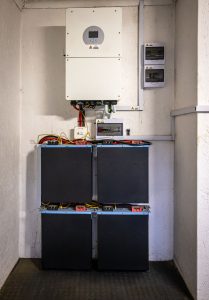
Plan for Battery Storage
Battery technology is becoming an increasingly important part of residential solar systems.
Many homeowners initially focus on solar panels while postponing battery investments. However, future-ready designs should always consider battery integration, even if storage is not installed immediately.
Battery systems provide several benefits:
- Backup power during outages
- Improved energy independence
- Better utilization of solar energy
- Reduced reliance on grid electricity
- Protection against future energy uncertainties
Organizations such as the International Renewable Energy Agency (IRENA) continue to identify battery storage as a key component of modern renewable energy systems.
Preparing for battery integration from the start simplifies future upgrades.
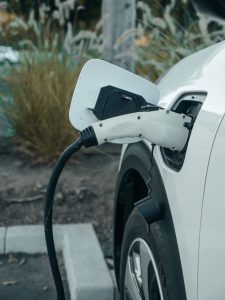
Consider Electric Vehicles and Emerging Technologies
The adoption of electric vehicles is steadily increasing around the world.
While electric vehicle ownership remains relatively low in many parts of Africa today, that is likely to change over the coming years.
A future-ready home solar system should account for the possibility of:
- Electric vehicle charging
- Smart energy management systems
- Home automation technologies
- Advanced security systems
- Additional home office equipment
These technologies can significantly increase household electricity demand.
Planning ahead ensures the solar system remains capable of supporting future innovations.
Smart Monitoring Improves Long-Term Performance
Modern solar systems offer much more than energy generation.
Smart monitoring platforms allow homeowners to track energy production, consumption, battery performance, and system health in real time.
These tools provide valuable insights that help maximize system performance.
Benefits include:
- Identifying energy usage trends
- Detecting performance issues early
- Improving energy efficiency
- Monitoring savings
- Supporting informed energy decisions
According to the International Energy Agency (IEA), digital technologies are playing an increasingly important role in improving energy efficiency and optimizing renewable energy systems.
Smart monitoring should be considered an essential part of any future-ready design.
Don’t Focus Solely on the Lowest Price
When investing in solar energy, it can be tempting to choose the lowest-priced option.
However, the cheapest system is not always the most cost-effective solution over the long term.
Lower-cost systems may have limitations such as:
- Reduced expansion capabilities
- Shorter equipment lifespans
- Limited battery compatibility
- Lower efficiency
- Fewer monitoring features
A future-ready home solar system should prioritize value rather than simply minimizing upfront costs.
Quality equipment and thoughtful design often generate greater savings over the system’s lifetime.
Preparing for Rising Electricity Costs
Electricity prices rarely remain static.
As energy demand grows and infrastructure investments continue, homeowners may face higher electricity costs in the future.
A well-designed solar system helps reduce exposure to these increases.
By generating more of their own energy, homeowners gain greater control over long-term energy expenses.
This protection becomes increasingly valuable as utility costs rise over time.
A future-ready home solar system is not just about energy generation. It is also about financial resilience.
The Importance of Professional System Design
Every home has unique energy requirements.
Roof space, household consumption patterns, budget considerations, and future plans all influence system design.
Professional planning ensures these factors are carefully evaluated before installation begins.
A properly designed system balances current needs with future opportunities, helping homeowners avoid unnecessary upgrades and maximize long-term performance.
The right design strategy can make the difference between a system that lasts for years and one that quickly becomes inadequate.
Conclusion
Designing a future-ready home solar system requires more than simply meeting today’s energy needs. It involves planning for future growth, emerging technologies, changing lifestyles, and increasing energy demands.
By focusing on scalability, battery readiness, smart monitoring, quality equipment, and long-term flexibility, homeowners can create a solar solution that continues delivering value for many years. While the initial investment may be slightly higher, the long-term benefits often far outweigh the additional cost.
As more Kenyan households embrace renewable energy, forward-thinking design is becoming increasingly important. Spenomatic Solar Home Solutions helps homeowners develop solar systems that are built not only for today but also for the opportunities and challenges of tomorrow.
A solar system is a long-term investment. Designing it with the future in mind ensures that investment continues working for you well into the years ahead.
Frequently Asked Questions (FAQs)
1. What is a future-ready home solar system?
A future-ready home solar system is designed to accommodate future energy needs, including additional appliances, battery storage, electric vehicles, and increased household energy consumption.
2. Why is scalability important in solar system design?
Scalability allows homeowners to expand their solar system over time without replacing major components, making future upgrades easier and more cost-effective.
3. Should I plan for battery storage even if I don’t install batteries immediately?
Yes. Designing a system that supports future battery integration provides greater flexibility and simplifies future upgrades.
4. Can a solar system support electric vehicle charging?
Yes. A properly designed solar system can be sized to accommodate future electric vehicle charging requirements.
5. How can I maximize the long-term value of my solar investment?
Choose quality equipment, work with experienced solar professionals, plan for future energy needs, and incorporate smart monitoring technologies to optimize performance over time.