
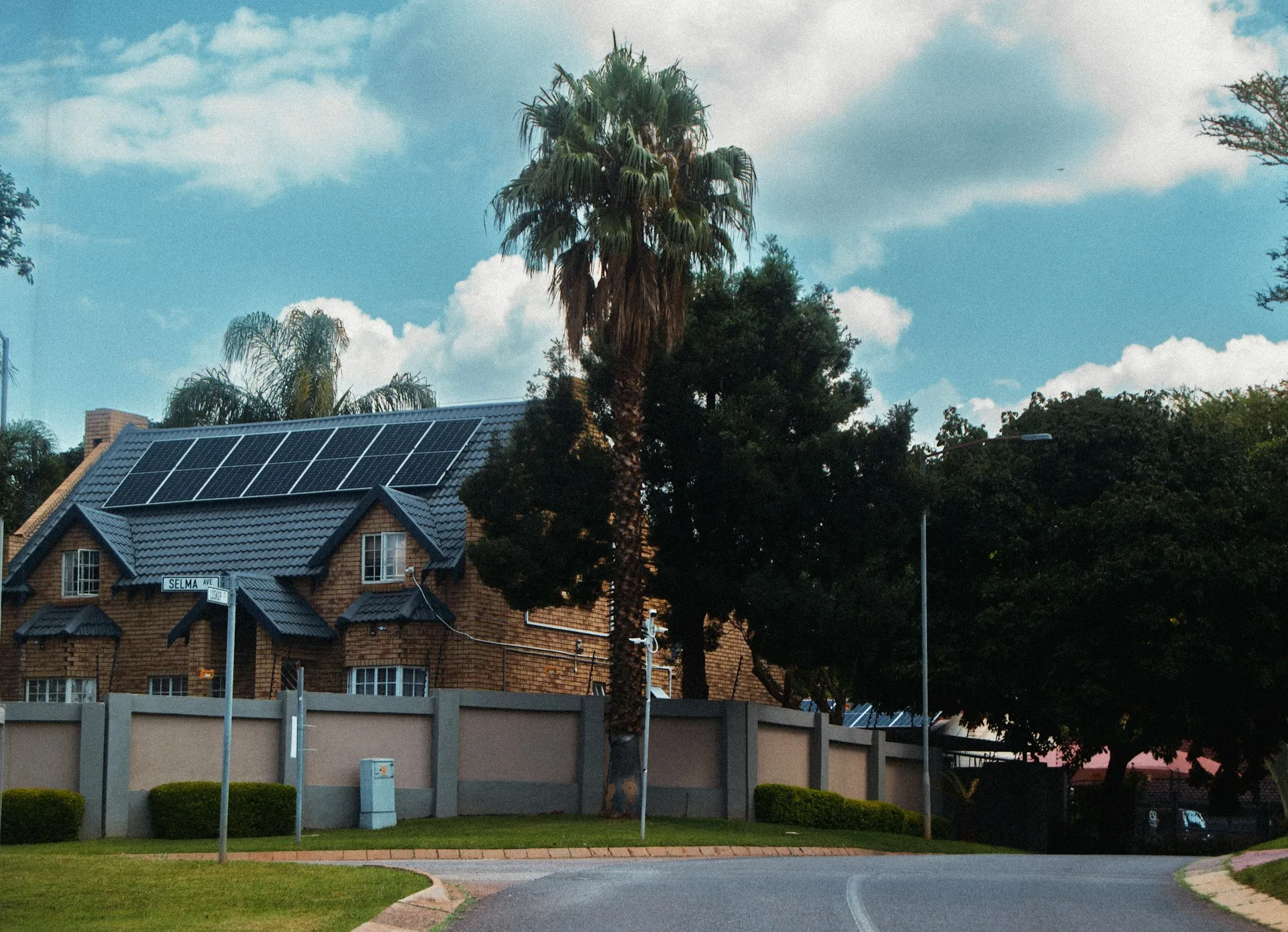
More homeowners across Kenya are looking for ways to take control of their energy future. Rising electricity costs, occasional power outages, and growing energy demands are encouraging families to explore alternatives to relying entirely on the grid.
For many households, solar energy is becoming the preferred solution.
However, achieving true home energy independence requires more than simply installing a few solar panels. The foundation of a successful solar investment is proper planning.
A well-planned solar system helps homeowners generate reliable power, reduce electricity bills, prepare for future energy needs, and maximize long-term savings. Poor planning, on the other hand, can lead to undersized systems, unexpected costs, and limited performance.
The journey toward home energy independence begins long before installation day. It starts with understanding your energy needs and designing a solar solution that can support your lifestyle today and in the years ahead.
What Is Home Energy Independence?
Home energy independence refers to a household’s ability to generate and manage a significant portion of its own electricity rather than relying entirely on external power sources.
Complete independence may not be practical for every home, but many households can substantially reduce their dependence on grid electricity through solar energy and battery storage.
Benefits of greater energy independence include:
- Lower electricity bills
- Protection from rising energy costs
- Reduced exposure to power outages
- Greater energy security
- Improved control over household energy consumption
- Reduced environmental impact
The goal is not necessarily to disconnect from the grid. Instead, it is to gain more control over how energy is produced and used within the home.
Why Planning Matters More Than Equipment
Many homeowners focus on solar panels when researching solar energy systems.
While high-quality equipment is important, the effectiveness of a solar installation depends heavily on planning and design.
A properly planned system considers:
- Current energy usage
- Future electricity needs
- Roof space availability
- Battery storage requirements
- Backup power expectations
- Budget considerations
- Long-term expansion opportunities
Without careful planning, even premium solar equipment may fail to deliver the desired results.
Successful home energy independence starts with a strategy, not just technology.
Understanding Your Energy Consumption
Before selecting any solar equipment, homeowners should understand how much electricity they use.
Many people underestimate or overestimate their energy requirements.
A detailed energy assessment helps identify:
- Average monthly electricity consumption
- High-energy appliances
- Peak usage periods
- Seasonal energy patterns
- Future energy demands
For example, a family planning to install air conditioning, electric water heating, or an electric vehicle charger may require a larger system than current electricity bills suggest.
Understanding consumption patterns helps ensure the solar system is sized correctly from the start.
Planning for Future Growth
One of the most common mistakes homeowners make is designing a solar system solely around today’s needs.
Life changes.
Families grow. New appliances are purchased. Home offices become permanent. Electric vehicles become more common.
A solar system that works perfectly today may become insufficient within a few years.
Future-ready solar planning considers:
- Family expansion
- Additional appliances
- Smart home technologies
- Home business requirements
- Electric vehicle charging
- Battery storage upgrades
Planning ahead often costs less than making major system upgrades later.
This forward-thinking approach is a key part of achieving long-term home energy independence.
The Importance of Battery Storage
Solar panels generate electricity during daylight hours.
However, energy demand often continues after sunset.
Battery storage allows homeowners to store excess solar energy and use it when needed.
Benefits of battery storage include:
- Backup power during outages
- Greater energy independence
- Reduced reliance on grid electricity
- Better utilization of solar energy
- Increased energy security
Organizations such as the International Renewable Energy Agency (IRENA) continue to highlight battery storage as a critical component of modern renewable energy systems.
For homeowners seeking greater independence, batteries are becoming an increasingly important consideration.
Energy Independence Means More Than Saving Money
Many families initially explore solar because they want lower electricity bills.
While financial savings are important, energy independence provides additional benefits.
Reliable power can support:
- Remote work
- Online learning
- Home security systems
- Medical equipment
- Internet connectivity
- Household comfort
During power outages, homes with properly designed solar and battery systems can continue operating critical appliances.
This added resilience is becoming increasingly valuable in today’s connected world.
The ability to maintain normal routines during disruptions provides peace of mind that goes beyond financial savings.

Smart Monitoring Improves Energy Management
Modern solar systems offer advanced monitoring capabilities that help homeowners better understand energy usage.
Smart monitoring platforms provide real-time insights into:
- Solar energy production
- Battery performance
- Electricity consumption
- Energy savings
- System health
These tools help families make informed decisions about how and when they use electricity.
According to the International Energy Agency (IEA), digital technologies are playing an increasingly important role in improving energy efficiency and optimizing energy systems.
Better information leads to better energy management.
Avoiding Common Solar Planning Mistakes
Proper planning helps homeowners avoid costly mistakes that can limit the effectiveness of a solar investment.
Common issues include:
Choosing the Cheapest Option
Low-cost systems may save money initially but often provide fewer expansion options and lower long-term value.
Ignoring Future Needs
Failing to plan for future energy growth can result in expensive upgrades later.
Underestimating Backup Requirements
Some homeowners only realize they need battery storage after experiencing outages.
Focusing Solely on Solar Panels
A complete system includes inverters, batteries, monitoring tools, and professional design considerations.
Addressing these factors during planning helps maximize long-term performance.
Solar Planning Supports Financial Stability
Electricity prices can change over time.
By generating more of their own energy, homeowners gain protection from future utility cost increases.
A well-designed solar system creates predictable energy savings and improves long-term financial planning.
Rather than being entirely dependent on external electricity pricing, households gain greater control over their energy expenses.
This financial stability is one of the strongest arguments for investing in solar energy today.
Working with the Right Solar Partner
Achieving home energy independence requires more than equipment selection.
Professional guidance helps ensure the system is properly designed, installed, and optimized for both current and future needs.
An experienced solar provider can evaluate energy consumption patterns, identify opportunities for savings, recommend appropriate technologies, and create a system that supports long-term goals.
The quality of planning often determines the success of the entire project.
Conclusion
Achieving home energy independence is not simply about installing solar panels. It starts with thoughtful planning, accurate energy assessments, future-proof system design, and a clear understanding of household energy needs.
A well-planned solar system can reduce electricity costs, improve energy security, provide backup power during outages, and support long-term financial savings. More importantly, it gives homeowners greater control over how they generate and use energy.
As solar adoption continues to grow across Kenya, families are increasingly recognizing the value of designing systems that meet both present and future demands. Through tailored residential energy solutions, Spenomatic Solar Home Solutions helps homeowners create solar systems that support greater independence, reliability, and peace of mind.
The path to energy independence does not begin with solar panels. It begins with a plan that ensures every part of your energy system works together to support your family’s future.
Frequently Asked Questions (FAQs)
1. What is home energy independence?
Home energy independence is the ability to generate and manage a significant portion of your household electricity through solutions such as solar power and battery storage.
2. Why is solar planning important?
Proper planning ensures the solar system is correctly sized, supports future energy needs, maximizes savings, and delivers reliable performance over the long term.
3. Do I need batteries for energy independence?
While not always required, batteries significantly increase energy independence by storing solar energy for use at night and during power outages.
4. Can a solar system reduce electricity bills?
Yes. Solar systems generate electricity that can reduce dependence on grid power and lower monthly energy expenses.
5. How can I future-proof my solar investment?
Choose a scalable system, plan for future energy needs, consider battery readiness, and work with experienced solar professionals who can design for long-term growth.