
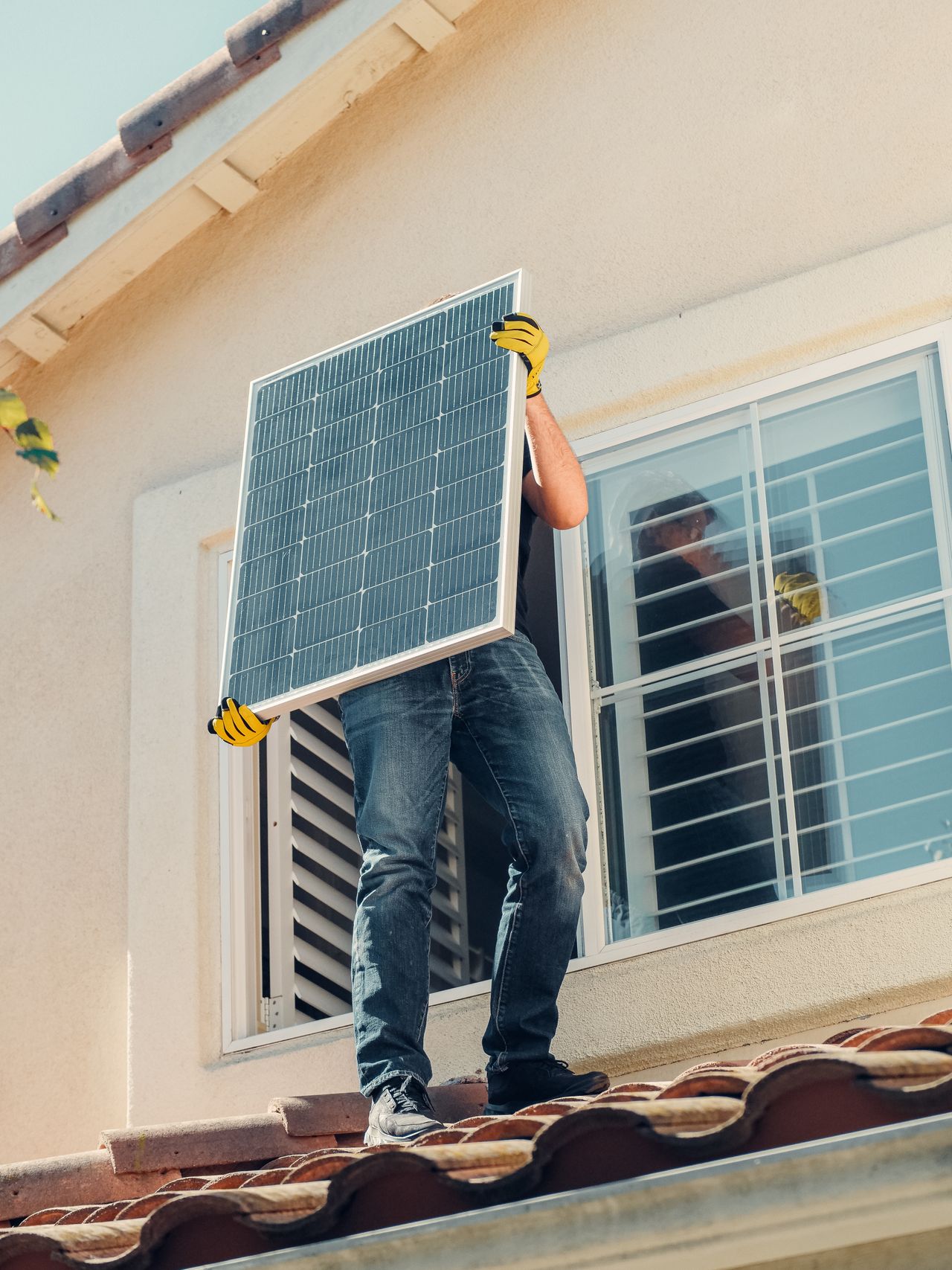
More Kenyan homeowners are investing in solar energy than ever before. Rising electricity costs, growing awareness of renewable energy, and the desire for greater energy independence are encouraging families to explore solar solutions for their homes.
One of the first questions homeowners ask before making the investment is simple: How long will it take for my solar system to pay for itself?
This is known as the home solar payback period. It refers to the amount of time it takes for the savings generated by a solar energy system to equal the original installation cost.
Understanding the expected payback period is important because it helps homeowners evaluate the financial benefits of solar energy. While every home is different, most solar systems provide long-term savings that continue well beyond the initial investment.
For many Kenyan households, solar is no longer viewed as an alternative energy source. It is increasingly becoming a smart financial decision.
What Is Home Solar Payback?
Home solar payback is the period required for the money saved through solar energy to recover the total cost of purchasing and installing the system.
For example, if a solar system costs KES 500,000 and generates annual savings of KES 100,000 on electricity and fuel expenses, the estimated payback period would be around five years.
After the system has paid for itself, the energy produced continues generating savings for many years.
The exact payback period depends on several factors, including:
- System size
- Installation costs
- Household energy consumption
- Electricity prices
- Battery storage requirements
- Solar energy production levels
These variables can significantly influence the return on investment.
Why Solar Makes Financial Sense in Kenya
Kenya is one of Africa’s leading markets for renewable energy adoption.
The country enjoys abundant sunshine throughout most of the year, making solar energy a practical and reliable power source for residential properties.
Homeowners also face challenges that make solar particularly attractive:
- Rising electricity costs
- Occasional power outages
- Increasing demand for home electronics
- Growing interest in energy independence
- Environmental concerns
Solar energy helps address these issues while providing long-term financial benefits.
Rather than relying entirely on grid electricity, homeowners can generate a significant portion of their own power and reduce monthly expenses.

Factors That Affect Home Solar Payback
No two homes have exactly the same solar payback period.
Several factors influence how quickly a solar investment generates returns.
Household Electricity Consumption
Homes with higher electricity usage typically experience faster solar payback periods.
This is because larger electricity bills create more opportunities for savings.
Households that regularly use appliances such as water heaters, refrigerators, air conditioning systems, pumps, and entertainment equipment often benefit the most from solar installations.
Solar System Size
The size of the solar system directly affects both installation costs and energy production.
A properly designed system should align with the household’s energy requirements.
Oversized systems may increase upfront costs unnecessarily, while undersized systems may not generate sufficient savings.
Battery Storage Integration
Many homeowners choose to include battery storage as part of their solar solution.
Batteries allow excess solar energy to be stored for use during evenings, cloudy periods, or power outages.
While batteries increase the initial investment, they also improve energy independence and provide backup power benefits.
The decision to include batteries can influence overall payback calculations.
Electricity Tariffs
As electricity prices increase, the value of solar-generated energy also increases.
This means homeowners may recover their investment faster if utility costs continue to rise over time.
For many households, rising electricity costs strengthen the financial case for solar adoption.
The Long-Term Value of Solar Energy
When evaluating solar energy, it is important to focus on long-term value rather than just upfront costs.
A quality residential solar system can continue producing electricity for decades with proper maintenance.
This means that even after reaching the payback point, homeowners continue benefiting from reduced energy expenses year after year.
The financial benefits often include:
- Lower electricity bills
- Reduced generator fuel costs
- Improved energy security
- Protection from future electricity price increases
- Increased property appeal
These advantages can generate substantial cumulative savings over the life of the system.
Solar and Energy Independence
Financial savings are only part of the equation.
Many Kenyan homeowners invest in solar because they want greater control over their energy supply.
Power interruptions can disrupt daily life, affect remote work, interrupt online learning, and impact home security systems.
Solar energy combined with battery storage helps reduce dependence on external energy sources.
This added resilience can be particularly valuable for households that require consistent access to electricity.
For many families, the peace of mind provided by reliable power is just as important as the financial savings.
Environmental Benefits Add Extra Value
Solar energy also delivers environmental benefits that extend beyond financial returns.
By generating electricity from sunlight, homeowners reduce reliance on conventional energy sources and lower their household carbon footprint.
Organizations such as the International Renewable Energy Agency (IRENA) continue to promote solar energy as a key solution for sustainable energy development.
Similarly, the International Energy Agency (IEA) recognizes solar power as one of the fastest-growing renewable energy technologies globally.
For homeowners who value sustainability, solar offers an opportunity to contribute to a cleaner energy future while enjoying financial benefits.

Common Misconceptions About Solar Payback
Many people assume solar only benefits large homes or high-income households.
In reality, solar systems can be designed to suit a wide range of energy needs and budgets.
Another misconception is that solar takes too long to pay for itself.
While the payback period varies, modern solar technology is becoming more efficient and affordable, making returns increasingly attractive.
Some homeowners also focus exclusively on installation costs without considering ongoing electricity savings.
A complete evaluation should account for both expenses and long-term benefits.
Choosing the Right Solar Partner
The quality of system design and installation plays a major role in overall performance.
An improperly designed system may produce less energy than expected, affecting both savings and payback periods.
Homeowners should work with experienced solar professionals who understand local conditions, energy requirements, and system optimization.
A well-designed system helps maximize energy production, improve reliability, and generate stronger long-term returns.
Conclusion
Understanding home solar payback is an important step for any homeowner considering solar energy. While the exact payback period varies depending on household energy usage, system design, electricity costs, and battery storage requirements, the long-term financial benefits are often substantial.
Solar energy helps reduce electricity expenses, improve energy independence, and protect households from rising utility costs. Beyond the financial advantages, homeowners also gain access to cleaner and more reliable energy.
As more Kenyan families explore renewable energy solutions, solar continues to prove its value as both an environmental and financial investment. Through tailored residential energy solutions, Spenomatic Solar Home Solutions helps homeowners design systems that align with their energy needs and long-term goals.
For many households, the question is not whether solar is worth it. The real question is how much value it can create over the years ahead.
Frequently Asked Questions (FAQs)
1. What is home solar payback?
Home solar payback is the amount of time it takes for the savings generated by a solar system to recover the original installation cost.
2. How long does solar payback usually take in Kenya?
The payback period varies depending on energy consumption, system size, installation costs, and electricity prices. Higher energy users often experience faster payback.
3. Do solar batteries affect the payback period?
Yes. Batteries increase upfront costs but provide backup power and greater energy independence, which can add value beyond direct financial savings.
4. Can solar reduce monthly electricity bills?
Absolutely. Solar systems generate electricity that can reduce reliance on grid power and lower monthly energy expenses.
5. Is solar energy a good long-term investment?
For many homeowners, solar provides long-term savings, improved energy security, protection from rising electricity costs, and environmental benefits that continue for many years.