
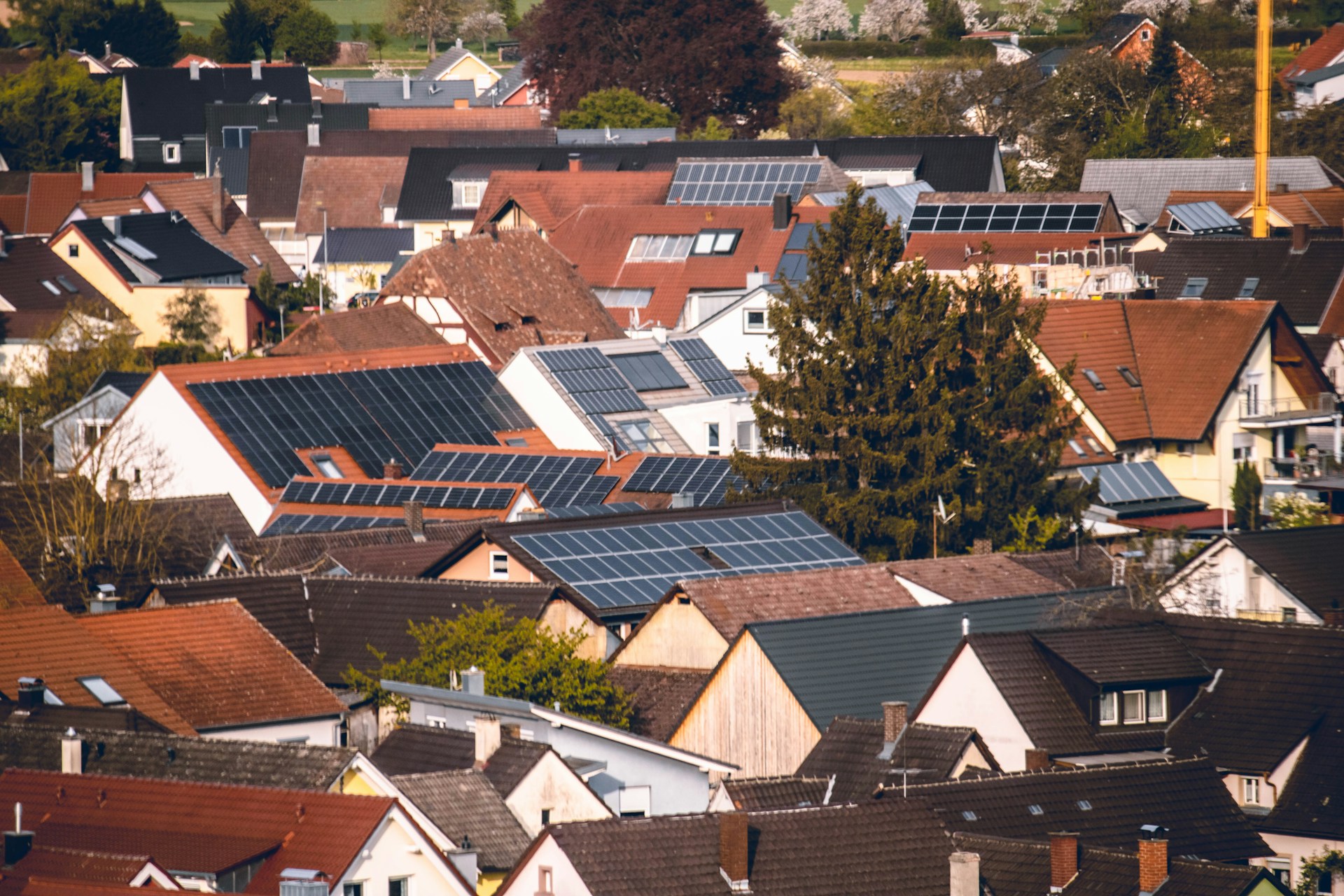
Few household inconveniences are as frustrating as an unexpected power outage. One moment everything is running normally, and the next, the lights go out, the internet disconnects, and essential appliances stop working.
For many Kenyan families, blackouts can disrupt work, online learning, home security, entertainment, and daily routines. As more households depend on electronic devices and internet connectivity, reliable access to electricity has become more important than ever.
This growing need for energy security has led many homeowners to explore solar energy solutions. However, there is one question that often causes confusion:
Does solar power work during a blackout?
The answer depends on how the solar system is designed. While many people assume all solar systems automatically provide power during outages, that is not always the case.
Understanding how solar power behaves during blackouts can help families make informed decisions when investing in a residential solar solution.
Does Solar Power Work During a Blackout?
The simple answer is: sometimes.
Whether solar power continues operating during a blackout depends on the type of system installed.
Many standard grid-connected solar systems automatically shut down when utility power is lost. This safety feature protects utility workers who may be repairing electrical infrastructure during an outage.
As a result, even if the sun is shining, a typical grid-tied solar system may not provide electricity during a blackout.
To maintain power during outages, homeowners usually need additional components such as battery storage or backup power capabilities.
This is one of the most important factors families should understand before investing in solar energy.
Why Some Solar Systems Shut Down
At first glance, it may seem strange that solar panels stop supplying power during a blackout.
After all, the panels are still producing electricity from sunlight.
The reason is safety.
When utility crews are repairing damaged power lines, they need assurance that electricity is not flowing back into the grid from residential solar systems.
To prevent this risk, most grid-connected solar inverters are designed to automatically disconnect during outages.
This safety requirement is standard across many countries and helps protect both workers and equipment.
While the solar panels continue receiving sunlight, the system remains inactive until grid power returns.
The Role of Solar Batteries
Battery storage changes everything.
When a solar battery is added to a home’s energy system, excess electricity generated during the day can be stored for later use.
During a blackout, the battery can provide backup power to selected household circuits or even the entire home, depending on system design.
Benefits of battery storage include:
- Power during outages
- Greater energy independence
- Reduced reliance on grid electricity
- Better use of solar energy
- Increased energy security
For many families, battery storage transforms solar energy from a cost-saving solution into a complete home energy solution.
Organizations such as the International Renewable Energy Agency (IRENA) identify battery storage as a key technology supporting reliable renewable energy systems worldwide.
What Appliances Can Run During a Blackout?
The answer depends on the size of the solar and battery system.
A properly designed backup system can often power essential household items such as:
- Lighting
- Refrigerators
- Internet routers
- Televisions
- Mobile device chargers
- Security systems
- Laptops and computers
- Small kitchen appliances
Larger battery systems may also support additional loads such as water pumps, air conditioning units, or other high-demand appliances.
The key is ensuring the system is designed around the family’s specific energy requirements.
Every household has different priorities during an outage.
Some may focus on lighting and communication. Others may require backup power for home offices or critical equipment.
Solar Batteries Provide Peace of Mind
Financial savings are one of the biggest reasons families invest in solar energy.
However, during a blackout, the value of reliable power often becomes even more important.
Imagine being able to continue working from home, keep food refrigerated, maintain internet access, and keep security systems operational while neighboring properties remain without electricity.
That level of resilience provides peace of mind that goes beyond monthly electricity savings.
For many homeowners, energy independence is becoming just as valuable as energy efficiency.
Blackouts and Remote Work
The rise of remote work has changed how many families use electricity.
A power outage can now interrupt meetings, delay projects, disconnect internet access, and affect productivity.
For households that rely on home offices, stable power has become essential.
Solar systems with battery backup help ensure critical devices remain operational even during extended outages.
This added reliability can be especially important for professionals, freelancers, students, and business owners working from home.
Reliable power is no longer simply a convenience. For many families, it is a necessity.
Solar Power Can Reduce Generator Dependence
Traditionally, generators have been the primary solution for managing power outages.
While generators remain useful, they often come with several drawbacks:
- Fuel costs
- Noise
- Maintenance requirements
- Emissions
- Fuel availability concerns
Solar battery systems offer a cleaner and quieter alternative.

Instead of purchasing fuel during every outage, homeowners can rely on energy generated by the sun and stored for later use.
Resources from the International Energy Agency (IEA) continue to highlight the growing role of battery storage and renewable energy technologies in improving energy resilience.
For many households, solar batteries reduce or even eliminate the need for frequent generator use.
Planning the Right Backup Solution
Not all homes require the same level of backup power.
Some families only want essential circuits supported during outages. Others prefer whole-home backup capability.
The best approach is to evaluate:
- Current energy consumption
- Frequency of outages
- Critical appliances
- Desired backup duration
- Future energy needs
A professional assessment can help determine the appropriate solar and battery configuration for each household.
The goal is to create a system that balances reliability, performance, and affordability.
Looking Beyond Savings
Many homeowners initially explore solar because they want to lower electricity bills.
While financial savings remain important, solar energy offers benefits that extend beyond monthly costs.
These include:
- Greater energy independence
- Improved reliability
- Reduced environmental impact
- Protection from rising electricity prices
- Enhanced home resilience
When combined with battery storage, solar becomes much more than an energy-saving technology.
It becomes a long-term investment in household security and comfort.
Conclusion
Understanding how solar power during blackouts works is essential for homeowners considering renewable energy solutions. While standard grid-connected solar systems may not operate during outages, solar systems equipped with battery storage can continue supplying electricity when families need it most.
The ability to power essential appliances, maintain connectivity, and reduce reliance on generators makes solar battery systems increasingly attractive for modern households. Beyond lowering electricity bills, they provide energy security, convenience, and peace of mind during unexpected disruptions.
As more Kenyan families seek reliable and sustainable energy solutions, solar continues to play a growing role in home energy management. Spenomatic Solar Home Solutions helps homeowners design systems that not only generate clean energy but also provide dependable backup power when blackouts occur.
Because when the lights go out, knowing your family can stay connected and comfortable makes all the difference.
Frequently Asked Questions (FAQs)
1. Does solar power automatically work during a blackout?
Not always. Many standard grid-connected solar systems shut down during outages unless they include battery storage or backup power functionality.
2. Why do solar systems shut down during power outages?
They shut down for safety reasons to prevent electricity from flowing back into the grid while utility workers are performing repairs.
3. Do I need a battery to use solar power during a blackout?
In most cases, yes. A battery allows solar energy to be stored and used when grid power is unavailable.
4. What appliances can solar batteries power during an outage?
Depending on system size, batteries can support lighting, refrigerators, internet routers, televisions, security systems, computers, and other essential household appliances.
5. Can solar batteries replace a generator?
For many households, solar batteries can significantly reduce or even eliminate the need for frequent generator use, while providing quieter and cleaner backup power.