
Across Africa, industries depend heavily on reliable energy to maintain production, protect equipment, meet customer demands, and remain competitive. Yet energy disruptions continue to pose significant challenges for many businesses.
For decades, backup generators have been the primary solution for managing power interruptions. While generators remain important, today’s industrial environment requires a more comprehensive approach to energy reliability.
Relying solely on generators is becoming increasingly expensive and less sustainable. Rising fuel costs, maintenance requirements, environmental concerns, and growing operational demands are pushing organizations to rethink how they achieve energy security.
This is where energy resilience comes into focus.
Energy resilience goes beyond simply having a backup power source. It involves creating an energy strategy that enables businesses to anticipate, withstand, adapt to, and recover from disruptions while maintaining operational continuity.
For African industries seeking long-term growth and stability, energy resilience is rapidly becoming a critical business priority.

What Is Energy Resilience?
Energy resilience refers to an organization’s ability to maintain reliable energy access despite disruptions, system failures, or external challenges.
Unlike traditional backup power planning, energy resilience focuses on creating multiple layers of protection and flexibility within an energy system.
A resilient energy strategy typically includes:
- Reliable grid connectivity
- Backup generation systems
- Renewable energy integration
- Battery energy storage
- Smart energy management systems
- Power quality monitoring
- Energy efficiency initiatives
- Predictive maintenance practices
Together, these elements help businesses reduce risk while improving operational reliability.
The goal is not simply to survive outages. The goal is to maintain productivity regardless of energy challenges.
Why Backup Generators Alone Are No Longer Enough
Backup generators have served industries well for many years. However, modern business environments demand more than emergency power generation.
Generators come with several limitations.
Fuel Costs Continue to Rise
Generator operation often depends on diesel or other fuels that can be expensive and subject to price fluctuations.
When outages become frequent or prolonged, fuel expenses can increase significantly and affect profitability.
Maintenance Requirements
Generators require regular servicing, inspections, and testing to ensure reliability.
Without proper maintenance, a generator may fail precisely when it is needed most.
Environmental Considerations
Many industries are working to reduce emissions and improve sustainability performance.
Heavy reliance on diesel generators can make achieving these goals more difficult.
Limited Operational Flexibility
Generators are designed primarily as emergency power sources. They are not always the most efficient solution for managing daily energy challenges or optimizing long-term energy costs.
As a result, businesses are increasingly exploring broader approaches to energy resilience.
The Growing Importance of Energy Resilience in Africa
Africa’s industrial sector continues to expand rapidly.
Manufacturing facilities, processing plants, logistics centers, commercial buildings, and technology-driven enterprises all depend on reliable electricity to support growth.
At the same time, energy demand is increasing across the continent.
Organizations must prepare for challenges such as:
- Grid instability
- Infrastructure limitations
- Extreme weather events
- Rising electricity costs
- Fuel supply disruptions
- Growing sustainability expectations
Energy resilience helps businesses address these risks proactively rather than reactively.
Instead of waiting for disruptions to occur, organizations build systems that can adapt and respond effectively.
Renewable Energy as a Resilience Strategy
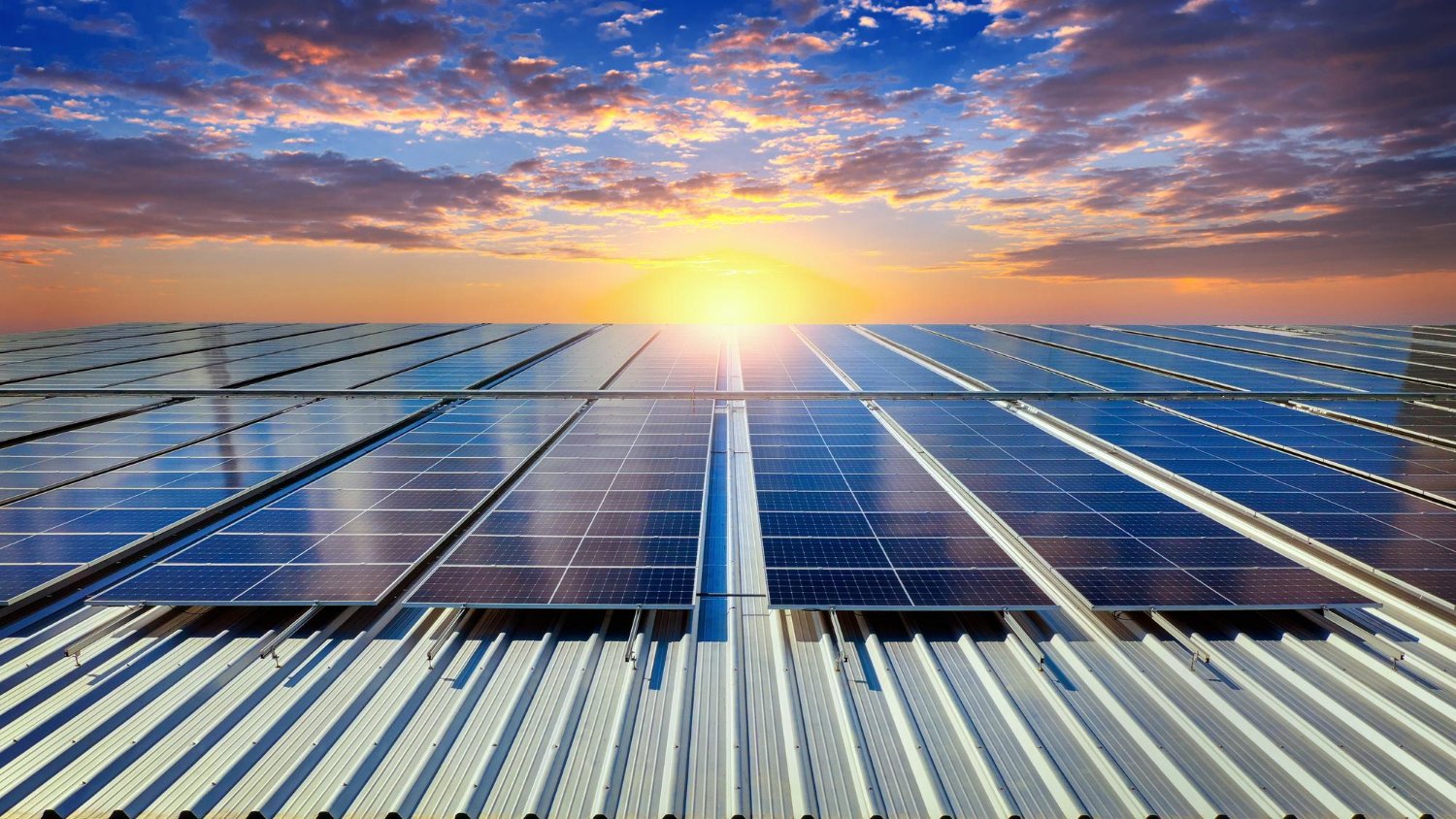
Renewable energy is becoming an important component of industrial energy resilience.
Solar energy, in particular, offers significant opportunities across many African regions due to abundant sunlight and improving technology affordability.
When integrated into an overall resilience strategy, solar systems can help:
- Reduce dependence on fuel-powered generators
- Lower operating costs
- Improve energy security
- Support sustainability objectives
- Reduce exposure to electricity price increases
Organizations that combine renewable energy with modern energy management technologies often achieve greater operational flexibility and resilience.
Resources from the International Renewable Energy Agency (IRENA) continue to highlight the growing role of renewable energy in supporting industrial development and energy security worldwide.
The Role of Battery Energy Storage
Battery storage systems have transformed how businesses approach the resilience.
Traditionally, power disruptions required an immediate transition to generators. Today, batteries can provide rapid backup power while supporting a more flexible energy strategy.
Battery energy storage systems offer several advantages:
- Fast response during outages
- Reduced generator runtime
- Improved power quality
- Better integration with solar energy systems
- Enhanced operational continuity
As storage technology continues to advance, battery systems are becoming increasingly attractive for industrial applications across Africa.
They help bridge the gap between energy reliability and sustainability.
Smart Energy Management Creates Visibility
One of the most overlooked aspects of the resilience is visibility.
Businesses cannot effectively manage what they cannot measure.
Smart energy management systems provide real-time insights into energy consumption, equipment performance, and power quality conditions.
These systems help organizations:
- Monitor energy usage
- Detect inefficiencies
- Identify equipment issues
- Optimize energy distribution
- Improve operational decision-making
By understanding how energy flows through their operations, businesses can respond more effectively to disruptions and improve overall resilience.
Energy Efficiency Strengthens Resilience
Many organizations focus on energy supply while overlooking energy demand.
However, reducing energy consumption can significantly improve resilience.
Energy-efficient equipment and processes require less power to operate. This reduces stress on energy systems and extends the effectiveness of backup resources.
For example, a facility that consumes less energy can often maintain operations longer during disruptions using the same backup infrastructure.
Organizations such as the International Energy Agency (IEA) consistently identify energy efficiency as one of the most cost-effective methods for improving energy security and operational resilience.
Efficiency and resilience work hand in hand.
Building a Comprehensive Energy Resilience Strategy
Effective energy resilience requires a holistic approach.
Rather than relying on a single solution, organizations should evaluate their entire energy ecosystem.
Key steps include:
Assessing Energy Risks
Identify vulnerabilities that could affect operations, including outages, fuel availability, equipment failures, and infrastructure limitations.
Conducting Energy Audits
Understand current energy consumption patterns and identify opportunities for improvement.
Diversifying Energy Sources
Combine grid electricity, renewable energy, battery storage, and backup generation to reduce dependency on any single source.
Implementing Monitoring Systems
Use smart technologies to improve visibility and decision-making.
Prioritizing Energy Efficiency
Reduce waste and optimize energy use across all operations.
By combining these strategies, businesses create stronger and more adaptable energy systems.
The Future of Industrial Energy Resilience
Energy resilience will become increasingly important as African industries continue to modernize.
Advancements in renewable energy, battery storage, automation, and digital energy management are creating new opportunities for organizations to improve reliability while controlling costs.
Businesses that invest in resilience today will be better positioned to navigate future challenges.
More importantly, they will gain a competitive advantage in an environment where operational continuity is critical to success.
The future belongs to organizations that view energy not simply as a utility expense but as a strategic asset.
Conclusion
The conversation around industrial energy reliability is changing. While backup generators remain an important component of emergency planning, they are no longer enough on their own.
True energy resilience requires a broader strategy that combines renewable energy, battery storage, energy efficiency, smart monitoring, and diversified power sources. These solutions help businesses reduce risk, improve reliability, lower operating costs, and support sustainability objectives.
For African industries, energy resilience represents an opportunity to move beyond reactive power management and build stronger, more future-ready operations. Companies such as Spenomatic Energy Solutions are helping organizations explore modern approaches to energy management that support long-term resilience and operational excellence.
In a rapidly evolving energy landscape, the most successful businesses will not be those with the largest generators. They will be those with the smartest and most resilient energy strategies.
Frequently Asked Questions (FAQs)
1. What is energy resilience?
Energy resilience is the ability of an organization to maintain reliable energy access and continue operations despite power disruptions, equipment failures, or other energy-related challenges.
2. How is energy resilience different from backup power?
Backup power focuses on providing electricity during outages. Energy resilience takes a broader approach by combining multiple strategies to ensure long-term reliability and operational continuity.
3. Can renewable energy improve industrial energy resilience?
Yes. Renewable energy systems, particularly solar power, can reduce dependence on generators and grid electricity while improving energy security and sustainability.
4. Why are battery storage systems important for resilience?
Battery storage systems provide immediate backup power, improve power quality, support renewable energy integration, and reduce reliance on fuel-powered generators.
5. What is the first step toward building energy resilience?
The first step is evaluating your current energy infrastructure through risk assessments and energy audits to identify vulnerabilities and opportunities for improvement.