
Manufacturing plays a critical role in economic growth, job creation, and industrial development across Africa. As industries expand to meet increasing demand, manufacturers face growing pressure to improve productivity while reducing costs and environmental impact.
Energy sits at the center of this challenge.
Manufacturing facilities depend on reliable power to operate machinery, maintain production schedules, and ensure product quality. At the same time, rising electricity costs, sustainability requirements, and energy reliability concerns are forcing businesses to rethink how they manage energy.
This is where smart energy infrastructure is transforming the manufacturing sector.
Rather than relying on traditional energy systems alone, manufacturers are adopting intelligent technologies that improve energy efficiency, increase visibility, enhance reliability, and support sustainability goals. These solutions are helping businesses create more resilient and environmentally responsible operations without compromising productivity.
As sustainable manufacturing becomes a priority worldwide, smart energy infrastructure is emerging as one of the most important investments industrial organizations can make.
What Is Smart Energy Infrastructure?
Smart energy infrastructure refers to integrated systems and technologies that enable organizations to monitor, control, optimize, and manage energy consumption in real time.
Unlike conventional energy systems that provide limited operational insight, smart infrastructure uses data, automation, and advanced monitoring tools to improve energy performance.
Examples include:
- Smart energy meters
- Energy management systems
- Automated controls
- Battery energy storage systems
- Solar energy integration
- Power quality monitoring
- Intelligent lighting systems
- IoT-enabled sensors and devices
Together, these technologies create an energy ecosystem that helps manufacturers make informed decisions and improve operational efficiency.
The goal is simple: use energy more intelligently while supporting long-term business growth.
Why Sustainable Manufacturing Matters
Sustainable manufacturing focuses on reducing environmental impact while maintaining profitability and operational excellence.
Today’s manufacturers face increasing expectations from customers, regulators, investors, and stakeholders regarding environmental responsibility.
Businesses are expected to:
- Reduce energy consumption
- Lower greenhouse gas emissions
- Improve resource efficiency
- Minimize waste
- Adopt cleaner technologies
- Strengthen sustainability reporting
Achieving these objectives requires more than policy changes.
It requires practical solutions that can improve day-to-day operations while delivering measurable results.
Smart energy infrastructure provides the tools necessary to make sustainable manufacturing a reality.

Improving Energy Efficiency Across Operations
One of the most significant benefits of smart energy infrastructure is improved energy efficiency.
Many manufacturing facilities consume large amounts of electricity without fully understanding where energy is being used or wasted. Traditional utility bills provide limited information, making it difficult to identify inefficiencies.
Smart monitoring systems solve this problem.
They provide real-time visibility into energy consumption across production lines, equipment, and facility operations.
This allows manufacturers to:
- Identify energy-intensive processes
- Detect unusual consumption patterns
- Eliminate unnecessary energy use
- Optimize operating schedules
- Improve equipment performance
Small efficiency improvements can generate substantial savings over time, especially in energy-intensive industries.
At the same time, reduced consumption supports sustainability objectives by lowering overall environmental impact.
Enhancing Reliability and Operational Continuity
Unexpected power disruptions can be costly for manufacturers.
Production delays, equipment damage, missed deadlines, and product losses can quickly affect profitability and customer satisfaction.
Smart energy infrastructure helps reduce these risks by improving energy reliability.
Advanced monitoring systems can identify potential issues before they become serious problems. Predictive maintenance tools help organizations address equipment concerns proactively, reducing the likelihood of failures.
When combined with energy storage systems and renewable energy technologies, manufacturers gain additional protection against power interruptions.
This improved reliability allows facilities to maintain production and minimize downtime.
Supporting Renewable Energy Integration
Renewable energy is becoming an increasingly important component of sustainable manufacturing strategies.
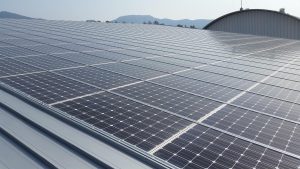
Across Africa, solar energy adoption continues to grow as businesses seek cleaner and more cost-effective energy sources.
However, managing renewable energy effectively requires more than simply installing solar panels.
Smart energy infrastructure enables manufacturers to integrate renewable energy into their operations efficiently.
Intelligent systems can:
- Monitor solar energy production
- Balance energy demand
- Manage battery storage
- Coordinate multiple energy sources
- Optimize energy usage throughout the facility
Organizations such as the International Renewable Energy Agency (IRENA) continue to highlight the role of renewable energy in supporting sustainable industrial growth.
When combined with smart infrastructure, renewable energy becomes even more valuable.
Reducing Carbon Emissions
Environmental performance has become a major focus for manufacturers worldwide.
Reducing carbon emissions is often one of the most visible and measurable sustainability goals.
Smart energy infrastructure supports emission reduction efforts by improving energy efficiency and enabling greater use of renewable energy sources.
By consuming less electricity and optimizing energy usage, manufacturers can significantly reduce their carbon footprint.
Organizations can also use energy monitoring systems to track environmental performance and establish measurable sustainability targets.
Resources from the International Energy Agency (IEA) consistently identify energy efficiency as one of the most effective strategies for reducing industrial emissions.
For manufacturers seeking long-term sustainability, smart energy infrastructure provides a practical path forward.
Data-Driven Decision Making
Modern manufacturing depends on accurate data.
Smart energy infrastructure generates valuable information that helps decision-makers understand how energy affects operations.
Managers gain access to detailed insights including:
- Peak demand periods
- Equipment performance trends
- Energy consumption patterns
- Operational inefficiencies
- Cost-saving opportunities
This data enables organizations to make informed decisions rather than relying on assumptions.
For example, manufacturers can identify which production lines consume the most energy, determine when demand is highest, and evaluate opportunities for process improvements.
Better visibility leads to better outcomes.
Strengthening Competitiveness
Sustainability is no longer simply a compliance issue. It has become a competitive advantage.
Customers increasingly prefer to work with organizations that demonstrate responsible business practices. Investors are paying closer attention to environmental performance. Governments and industry bodies continue encouraging more sustainable operations.
Manufacturers that invest in smart energy infrastructure position themselves ahead of these trends.
Benefits often include:
- Lower operating costs
- Improved efficiency
- Greater reliability
- Enhanced sustainability credentials
- Stronger market reputation
These advantages contribute directly to long-term business success.
The Future of Sustainable Manufacturing
The future of manufacturing will be shaped by technology, sustainability, and energy management.
Advancements in automation, artificial intelligence, renewable energy, and digital monitoring systems are creating new opportunities for industrial organizations.
Smart energy infrastructure will play a central role in this transformation.
Manufacturers that adopt intelligent energy systems today will be better equipped to meet future challenges while maintaining profitability and environmental responsibility.
The shift toward sustainable manufacturing is already underway, and energy innovation is leading the way.
Conclusion
Smart energy infrastructure is helping manufacturers achieve a balance between productivity, profitability, and sustainability. By improving energy efficiency, enhancing reliability, supporting renewable energy integration, and reducing emissions, these technologies are transforming how modern manufacturing facilities operate.
As industries across Africa continue to evolve, the ability to manage energy intelligently will become increasingly important. Manufacturers that embrace smart energy infrastructure gain greater control over costs, improve operational performance, and strengthen their sustainability efforts.
Companies such as Spenomatic Energy Solutions are supporting this transition by helping organizations implement innovative energy technologies that align with modern manufacturing needs. While every facility has unique requirements, the direction is clear: sustainable manufacturing depends on smarter energy management.
Organizations that invest in smart energy today will be better positioned to thrive in tomorrow’s industrial landscape.
Frequently Asked Questions (FAQs)
1. What is smart energy infrastructure?
Smart energy infrastructure refers to technologies and systems that monitor, control, and optimize energy use through automation, data analytics, and real-time monitoring.
2. How does smart energy infrastructure support sustainable manufacturing?
It improves energy efficiency, reduces waste, supports renewable energy integration, lowers emissions, and helps manufacturers operate more sustainably.
3. Can smart energy infrastructure reduce manufacturing costs?
Yes. By identifying inefficiencies and optimizing energy consumption, this energy infrastructure can significantly lower operating expenses.
4. Why is renewable energy important for sustainable manufacturing?
Renewable energy helps reduce dependence on traditional energy sources, lowers emissions, and supports long-term environmental and financial goals.
5. What is the first step toward implementing smart energy infrastructure?
Most organizations begin with an energy assessment or audit to understand current energy usage and identify opportunities for improvement.