Case study

Battery energy storage EPC
Industrial storage engineered around the load, operating objective and wider power system.
Spenomatic designs and integrates commercial and industrial BESS with solar PV, grid supply, generators, switchgear, protection, controls and monitoring.
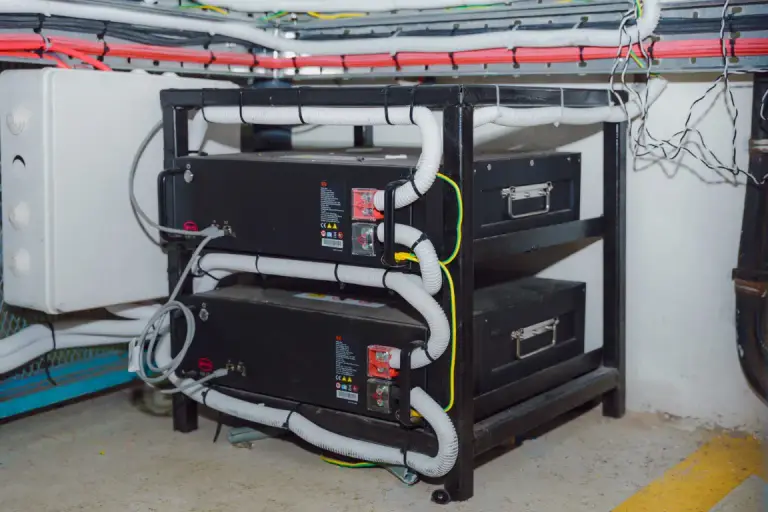
Battery energy storage is not one standard equipment package. A commercial or industrial BESS combines battery modules, a battery-management system, power-conversion equipment, protection, switchgear, controls, monitoring, thermal management and the electrical interfaces required by the site.
| Design question | Engineering decision |
|---|---|
| What must the system do? | Peak management, backup, solar shifting, generator optimisation or multiple coordinated objectives |
| How much power is required? | The maximum charge and discharge rate in kW or MW |
| How much energy is required? | The usable storage capacity in kWh or MWh |
| How will it operate? | Dispatch rules, reserve level, state-of-charge limits and source priorities |
| What must it connect to? | Solar PV, grid, generators, transformers, switchgear, loads and monitoring systems |
The result should be an engineered power asset with a measurable duty, not storage capacity selected in isolation.
The business case depends on what the battery is expected to change in day-to-day operations.
A BESS can discharge during short demand peaks to reduce the maximum power drawn from the grid. The relevant size follows interval data, the target demand threshold and the duration and frequency of the peaks.
Storage can keep selected loads operating during an interruption or bridge the time before a generator starts. Critical-load power, required runtime, starting currents and acceptable transfer behaviour must be defined before sizing.
Where solar production exceeds daytime demand, a battery can store part of that surplus for later use. The economic value depends on the generation profile, evening load, export options, conversion losses and battery cycling cost.
Storage can reduce inefficient low-load generator operation, support transient loads and coordinate generator start and stop decisions. The controls must preserve generator operating limits and site reliability.
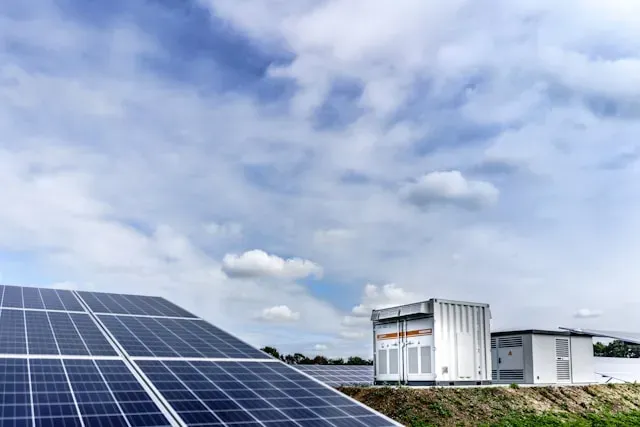
Interval load data, outage requirements, operating constraints and the dispatch objective shape the battery and power-conversion ratings.
Spenomatic separates the power requirement from the energy requirement and tests both against the intended operating strategy.
The engineering assessment can consider:
A 1 MWh battery does not describe what the system can achieve unless its power rating, usable capacity, dispatch rules and required duration are also defined.
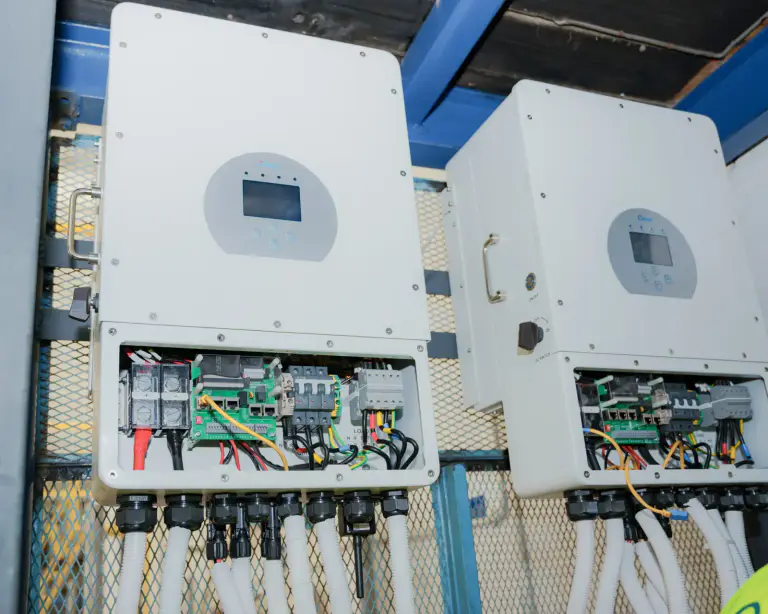
A hybrid plant must manage solar production, battery state of charge, grid conditions, generator loading and critical-load priorities as one system.
A hybrid solar and battery plant coordinates multiple power sources instead of treating each technology as a separate installation.
The design can bring together solar PV, battery storage, grid supply, generators, transformers, switchgear, protection relays, meters, plant controllers and the facility distribution network.
The control strategy determines when the battery charges or discharges, how much reserve remains available, which source receives priority and how the system responds to an outage or equipment constraint.
Protection settings, islanding behaviour, generator loading, changeover logic and restart sequences must be engineered and tested for the actual site configuration.
Agree the operational problem, target performance, critical loads and commercial evaluation criteria.
Review interval data, single-line diagrams, switchgear, transformers, generator operation, solar generation and available installation space.
Test candidate power and energy ratings against real operating data, expected losses, dispatch rules, degradation and future load growth.
Develop the electrical, civil, protection, control, communication, enclosure and safety design before selecting compatible equipment.
Verify equipment, protection, communications, operating modes, alarms, emergency controls and performance at the site interfaces.
Track availability, state of health, energy throughput, temperature, alarms and operating performance across the system lifecycle.
Commercial battery storage requires more than a product datasheet. Project evaluation should address applicable equipment certification, fire risk, separation and access, ventilation or cooling, emergency response, warranty conditions, usable capacity, cycle or throughput limits, replacement planning and end-of-life handling.
Spenomatic evaluates these requirements within the wider electrical design and commissioning plan.
Power, measured in kW or MW, describes how quickly the system can charge or discharge. Energy, measured in kWh or MWh, describes how much usable electricity it can deliver over time. Both must fit the application.
Yes, subject to the existing inverter architecture, switchgear, protection, controls, available connection points and the intended storage duty. An engineering assessment determines the appropriate integration method.
It can replace or reduce generator operation for some duties, particularly short interruptions and selected critical loads. Longer outages or large process loads may still require a coordinated generator, grid or other generation source.
There is no standard size. The answer depends on the load in kW, required duration, outage pattern, solar profile, peak-demand target, operating reserve, losses and future expansion.
Spenomatic provides project-specific engineering, procurement, installation, integration, testing, commissioning and lifecycle support for qualifying commercial and industrial battery storage projects.
See it in action
Explore our latest published case studies.
Guides and insights
Practical, source-referenced guidance for engineers and procurement teams.
Start with the operating objective
Share interval load data, electricity bills, outage history, generator records, critical loads and any existing solar system. Our engineering team will help define the next assessment.