Case study

Solar system architecture guide
Choose the system architecture that fits your grid conditions, loads, resilience needs and operating budget.
This guide explains where grid-tied, hybrid and off-grid solar systems fit, how they differ and what Spenomatic evaluates before recommending an installation.
| System type | Main power architecture | Battery storage | Typical objective |
|---|---|---|---|
| Grid-tied | Solar PV operates with the utility supply | Optional | Reduce daytime grid purchases |
| Hybrid | Solar works with storage and may coordinate the grid and generators | Usually included | Combine savings with resilience and source control |
| Off-grid | Solar and storage operate without a normal utility supply, often with generator support | Required in most applications | Supply power where the grid is unavailable or unsuitable |
Each architecture can be designed at different scales. The decision should be based on measured energy use and the service the power system must deliver.
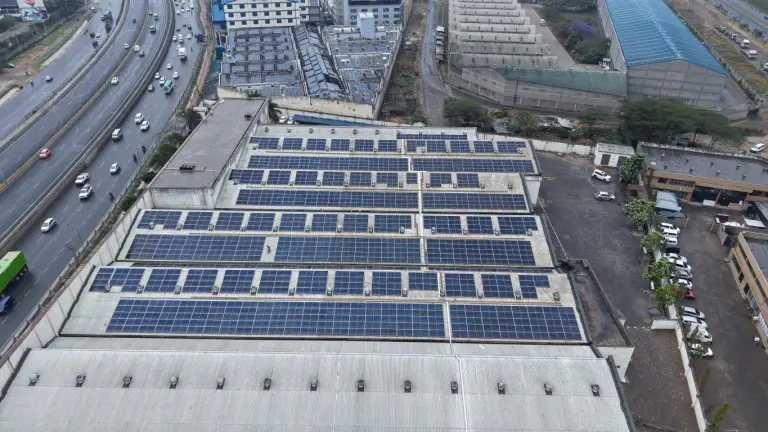
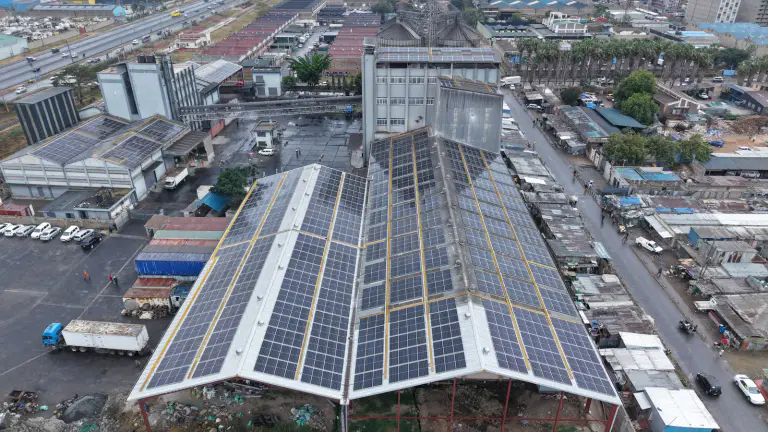
A grid-tied solar system operates alongside the utility network. Solar generation supplies on-site loads while the grid supports demand that solar cannot meet.
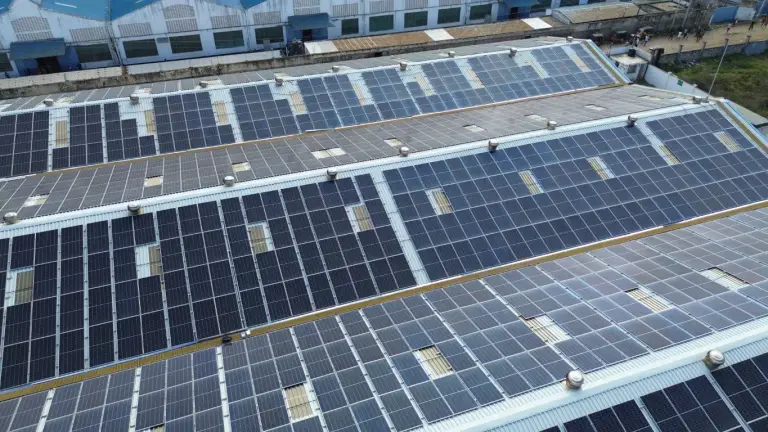
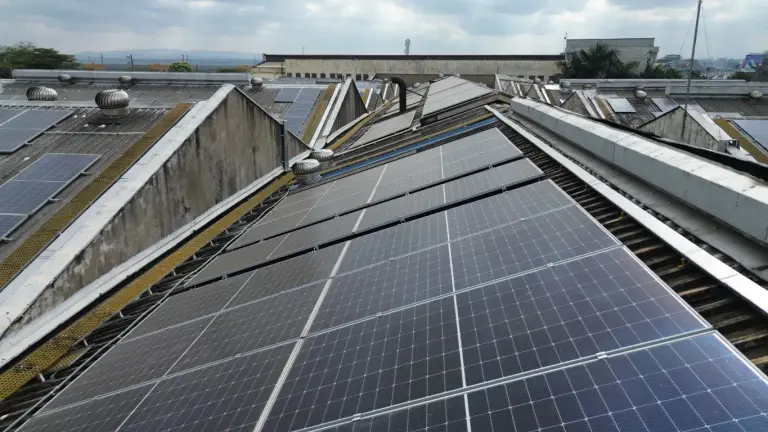
It is generally suitable for facilities with dependable grid access and significant daytime electricity demand. Factories, warehouses, offices, malls, schools and other commercial sites can use solar directly while operating normally with the grid.
The design must account for the load profile, allowable export, inverter operation, protection, metering, roof or land capacity, transformer limits and the facility distribution system.
Standard grid-tied inverters normally stop producing during a grid outage unless the system has approved islanding capability, storage and controls designed for backup operation.
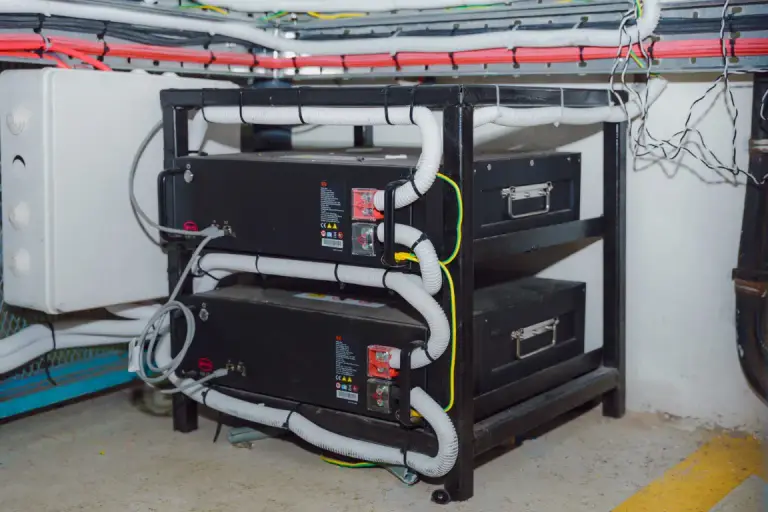
The correct combination depends on the load profile, grid reliability, generator behaviour, battery duty and the facility priorities.
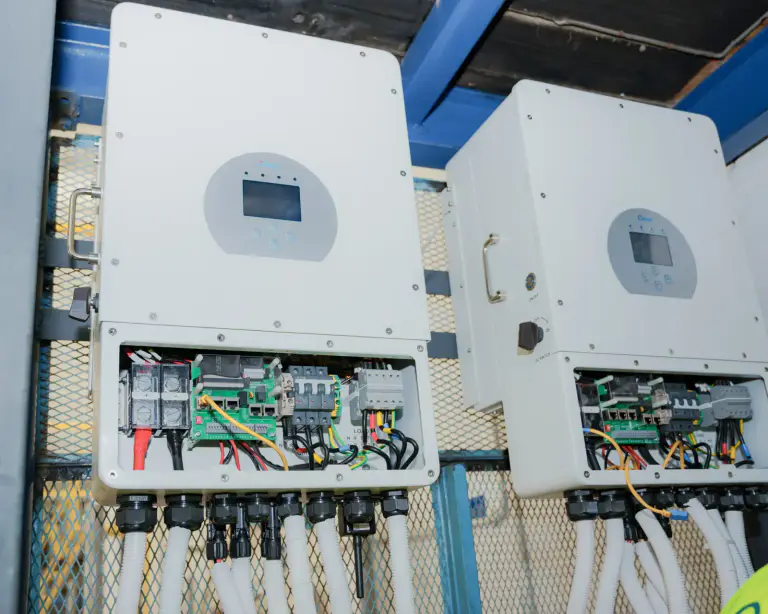
A hybrid system coordinates solar PV with battery storage and can also integrate grid supply and generators.
Hybrid architecture is appropriate when a facility needs both energy-cost management and defined resilience, wants to store surplus solar, needs support for selected critical loads or intends to reduce generator operation.
The engineering scope includes battery power and usable energy, critical loads, reserve level, changeover behaviour, generator coordination, charging sources, dispatch priorities, protection and monitoring.
The energy-management system decides which source serves the load and when. Poorly defined controls can leave storage unavailable at the moment it is needed or operate generators outside their preferred loading range.
An off-grid system supplies electricity without relying on a normal utility connection. Solar, batteries and often a generator must collectively meet the required load under changing weather and operating conditions.
Applications can include remote facilities, agricultural operations, telecom or infrastructure sites, lodges and locations where extending or relying on the grid is impractical.
The design must cover daily and seasonal demand, autonomy, peak and starting loads, battery reserve, solar variability, generator support, fuel logistics, redundancy and maintenance capability.
Every major load affects the generation and storage capacity required. Efficiency improvements and managed operating schedules can materially reduce system size and lifecycle cost.
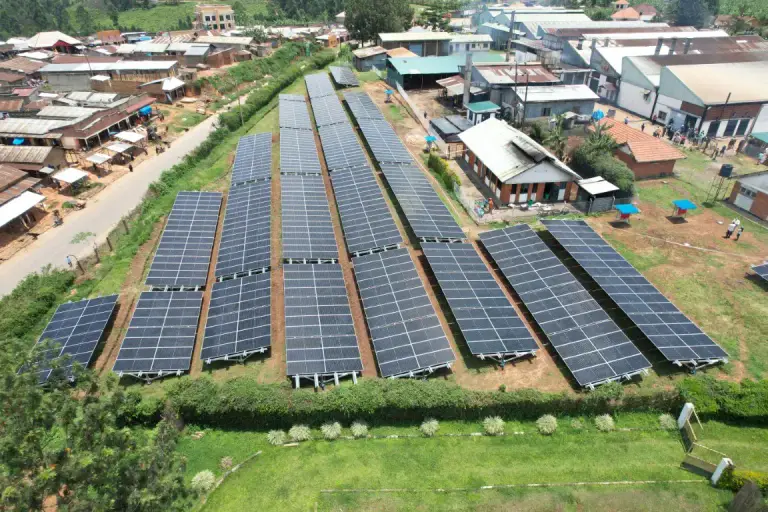
Available area, consumption patterns, electrical infrastructure, reliability targets and future expansion are assessed before equipment is specified.
Define whether the priority is energy savings, backup, independent supply, generator reduction, emissions reduction or a combination of outcomes.
Review bills, interval data, operating hours, critical loads, starting currents, seasonal demand and planned growth.
Evaluate grid reliability, generator operation, roof or land, transformers, switchgear, protection and existing solar or storage equipment.
Model grid-tied, hybrid or off-grid configurations against energy yield, reliability, capital requirements, operating cost, maintenance and future expansion.
Complete electrical, structural, civil, protection, controls, communication and monitoring design before procurement and construction.
The best architecture depends on the factory load profile, grid reliability, tariff, generator use, available installation area, critical loads and financial objective. Grid-tied solar may suit a reliable-grid site with strong daytime demand, while hybrid design may suit facilities that also need resilience.
Not by default. Backup requires an architecture designed for islanded operation, including compatible inverters, storage or another source, protection and controls.
A hybrid system often retains grid access while coordinating solar, batteries and possibly generators. An off-grid system must meet the required load without depending on a normal utility supply.
Sometimes. Compatibility depends on the existing inverter arrangement, protection, switchgear, connection points, controls and the required backup or storage duty. The site should be assessed before equipment is selected.
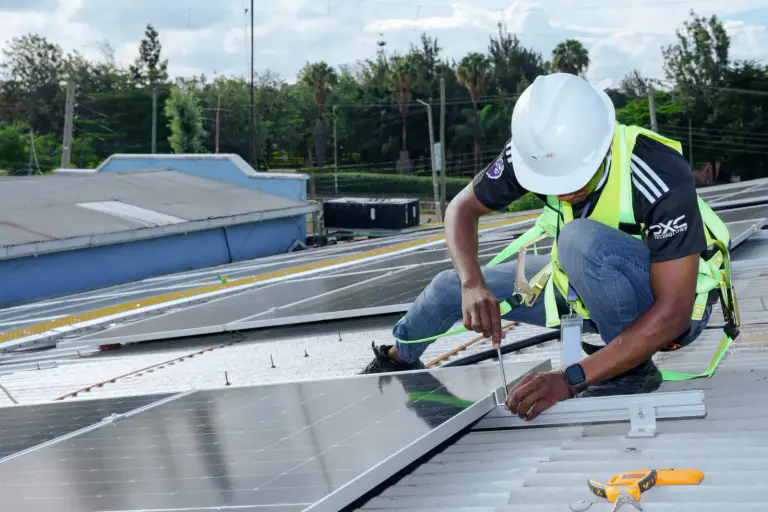
Spenomatic evaluates and delivers project-specific solar power architectures for commercial, industrial and suitable residential applications, from assessment and engineering through installation and commissioning.
See it in action
Explore our latest published case studies.
Guides and insights
Practical, source-referenced guidance for engineers and procurement teams.
Choose from operating evidence
Share your electricity bills, interval data, operating hours, outage experience, generator details and backup priorities. We will help determine which architecture merits detailed engineering.