
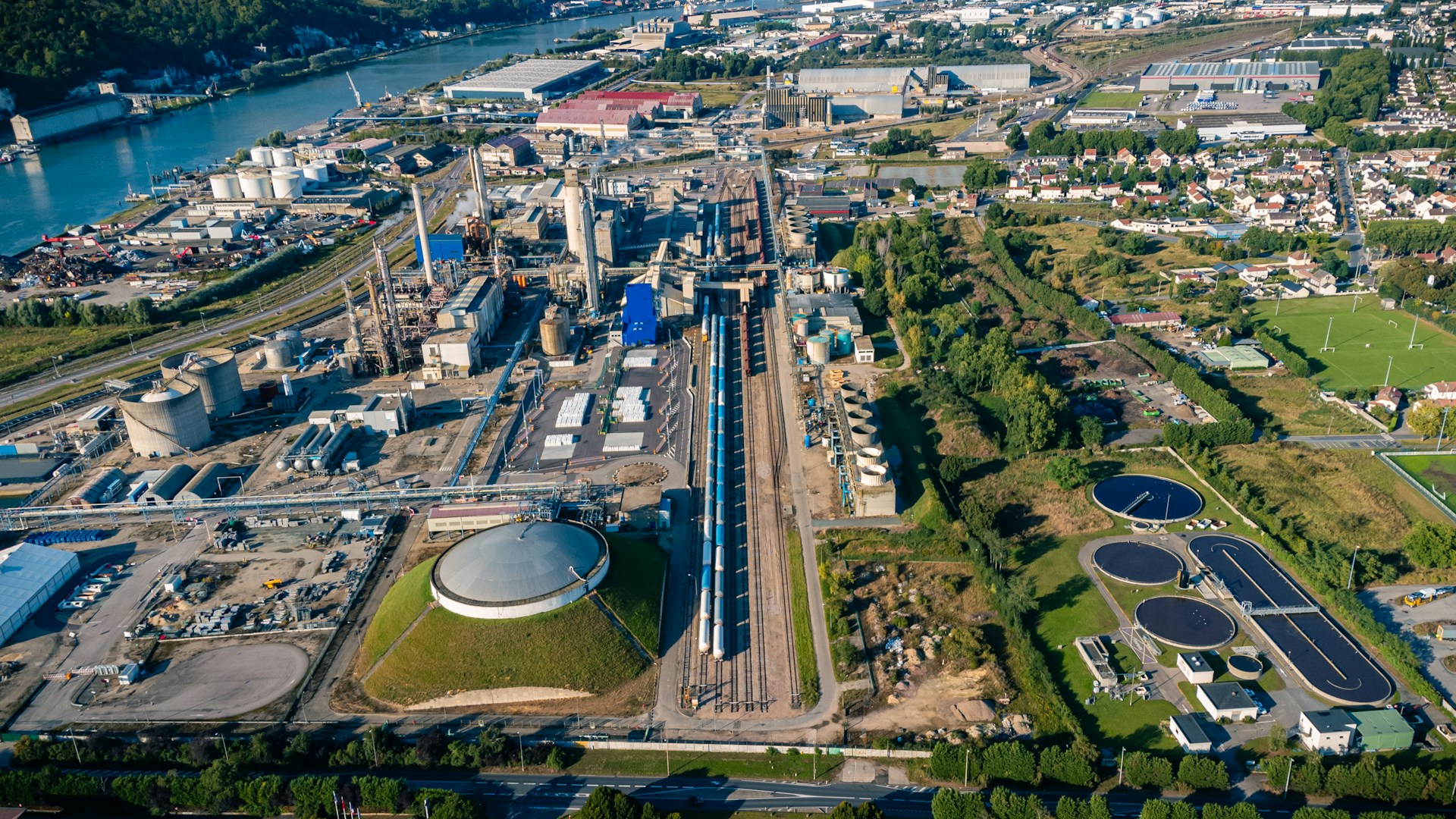
Water has always been a critical resource for industrial growth, but for many African industries, it is becoming an increasingly strategic concern. As economies expand, populations grow, urbanization accelerates, and industrial activities increase, the pressure on water resources continues to rise.
For decades, many businesses focused primarily on meeting their immediate water needs. If sufficient water was available to support production, operations continued without major concern. Today, however, that approach is becoming less sustainable.
Industrial leaders are recognizing that water security is no longer just an environmental issue. It is a business continuity issue, a risk management issue, and a long-term growth issue.
Manufacturers, food processors, agricultural operations, mining companies, healthcare facilities, hospitality businesses, and commercial enterprises all depend on reliable access to water. Without proper planning, future water shortages, quality challenges, infrastructure limitations, and regulatory changes could significantly affect productivity and profitability.
This is why forward-thinking organizations are investing in strategies that go beyond today’s requirements. They are planning for the future and making water security a core part of their operational strategy.
What Is Water Security?
Water security refers to the ability of an organization, community, or economy to maintain reliable access to adequate quantities of safe and usable water when and where it is needed. For industries, water security means having confidence that water supplies will remain available, affordable, and suitable for operational requirements both now and in the future.
A secure water strategy addresses several key concerns:
- Availability of water resources
- Water quality requirements
- Infrastructure reliability
- Operational resilience
- Environmental sustainability
- Regulatory compliance
Without these elements, businesses may face interruptions that affect production, customer commitments, and long-term growth.
Why Water Security Matters More Than Ever
Across Africa, industrial development is accelerating. Governments continue to promote manufacturing, infrastructure development, food production, mining, and economic diversification. While this growth creates opportunities, it also increases demand for water resources.
At the same time, industries must contend with several emerging challenges, including:
- Population growth
- Urban expansion
- Climate variability
- Aging infrastructure
- Increasing water treatment requirements
- Rising operational costs
These factors are placing additional pressure on both water availability and water quality. Organizations that fail to plan ahead may find themselves facing higher costs, supply disruptions, and increased operational risks. Water security planning helps businesses prepare for these challenges before they become critical issues.
Water Is Essential to Industrial Operations
Virtually every industrial sector depends on water in some form.
Water is used for:
- Manufacturing processes
- Cooling systems
- Boiler operations
- Product formulation
- Cleaning and sanitation
- Food processing
- Chemical production
- Energy generation
- Equipment maintenance
In many facilities, production simply cannot continue without a dependable water supply.
Even short-term disruptions can result in production delays, financial losses, equipment damage, and missed customer commitments. Because of this, water security should be viewed with the same importance as energy security and supply chain resilience.
Looking Beyond Current Demand
One of the most common mistakes organizations make is designing water infrastructure around current consumption levels only. While this may satisfy immediate operational requirements, it often fails to account for future growth and changing conditions.
Businesses should consider:
- Facility expansion plans
- Increased production capacity
- New product lines
- Population growth in surrounding areas
- Future regulatory requirements
- Potential water shortages
- Climate-related risks
A facility that has sufficient water today may face constraints several years from now if demand increases significantly. Planning for future requirements helps avoid costly upgrades, operational disruptions, and emergency responses later.
Water Quality Is Just as Important as Quantity
Water security is not solely about having enough water. The quality of that water is equally important. Industrial processes often require water that meets specific standards. Poor-quality water can contribute to scaling, corrosion, contamination, equipment damage, and reduced production efficiency. As water sources face increasing pressure, maintaining consistent quality may become more challenging. Organizations that invest in water treatment infrastructure are better positioned to maintain operational performance even when source water conditions change.
Technologies such as:
- Reverse Osmosis (RO)
- Ultrafiltration (UF)
- Water softening systems
- Filtration technologies
- Chemical treatment programs
can help ensure water remains suitable for industrial applications.
Building Resilience Through Water Treatment
A strong water treatment strategy is one of the most effective ways to improve water security. Rather than relying solely on raw water availability, businesses can improve their ability to utilize alternative sources and maintain quality standards.
Advanced treatment systems allow organizations to:
- Improve source water reliability
- Protect equipment
- Enhance process performance
- Reduce operational risks
- Improve compliance
- Support sustainability objectives
Organizations such as the United Nations Water (UN-Water) continue to emphasize the importance of integrated water management and sustainable resource planning in supporting economic development. For industrial facilities, water treatment is increasingly becoming a resilience strategy rather than simply a utility requirement.
Reducing Water Waste Improves Security
One of the fastest ways to strengthen water security is by improving efficiency.
Many facilities lose significant amounts of water through:
- Leaks
- Inefficient processes
- Poor maintenance practices
- Excessive cleaning procedures
- Outdated equipment
Reducing waste lowers overall demand and helps organizations make better use of available resources. Industrial water audits, monitoring systems, and efficiency improvement programs often reveal opportunities that generate both financial and operational benefits. Water conservation should not be viewed as a limitation on growth. Instead, it should be seen as a way to support sustainable expansion.
Water Recycling and Reuse Opportunities
Many industries are discovering new ways to reduce dependence on freshwater supplies through recycling and reuse initiatives. Modern treatment technologies make it possible to recover and reuse water from certain industrial processes, reducing overall consumption and improving resilience.
Potential applications include:
- Cooling systems
- Equipment washing
- Process water reuse
- Landscape irrigation
- Utility operations
While not every application is suitable for reuse, many facilities can significantly reduce freshwater demand through carefully planned recycling programs. This approach helps strengthen long-term water security while reducing operating costs.
Water Security Supports Sustainability Goals
Environmental sustainability is becoming increasingly important across global industries. Customers, investors, regulators, and business partners expect organizations to manage resources responsibly.
Strong water security strategies contribute directly to sustainability objectives by:
- Reducing water waste
- Improving resource efficiency
- Supporting responsible water management
- Protecting local water resources
- Reducing environmental impact
Resources from the United Nations Environment Programme (UNEP) consistently highlight efficient water management as a key component of sustainable economic development.
Businesses that prioritize water security are often better positioned to meet both operational and sustainability goals.
Making Water Security a Board-Level Priority
Historically, water management was often treated as an operational issue handled by facility managers and engineering teams. Today, the risks associated with water availability, quality, and infrastructure reliability are too significant to remain solely at the operational level.
Executive leadership teams increasingly recognize that water security influences:
- Business continuity
- Financial performance
- Regulatory compliance
- Reputation management
- Long-term growth
As a result, water strategy is becoming a topic of discussion in boardrooms across many industries.
Organizations that proactively address water risks are generally better prepared for future challenges.
Conclusion
Water security is rapidly becoming one of the most important considerations for African industries. As economic growth, industrial expansion, and environmental pressures continue to increase, businesses must move beyond short-term thinking and develop strategies that support reliable water access for the future.
Planning beyond today’s demand involves more than securing sufficient water supplies. It requires attention to water quality, treatment infrastructure, efficiency improvements, recycling opportunities, and long-term resilience. Organizations that take a proactive approach are better positioned to manage risk, control costs, and support sustainable growth.
Spenomatic Kenya Ltd helps industries develop comprehensive water management solutions that strengthen operational reliability, improve efficiency, and support long-term water security objectives. Through advanced treatment technologies, water audits, and tailored system designs, businesses can build the resilience needed to thrive in an increasingly resource-conscious future.
For African industries, water security is no longer simply about having water today. It is about ensuring the availability and quality of water needed to support growth for decades to come.
Frequently Asked Questions (FAQs)
1. What is water security in an industrial context?
Water security refers to an organization’s ability to maintain reliable access to sufficient quantities of suitable-quality water needed for ongoing operations.
2. Why is water security becoming important for African industries?
Growing industrial demand, population growth, climate variability, infrastructure challenges, and sustainability expectations are increasing pressure on water resources.
3. How can industries improve water security?
Organizations can strengthen water security through water treatment systems, efficiency improvements, water audits, recycling programs, and long-term resource planning.
4. Does water quality affect water security?
Yes. Reliable access to water is important, but maintaining the quality required for industrial processes is equally critical.
5. Can water recycling help improve industrial water security?
Yes. Water recycling and reuse programs can reduce freshwater demand, improve resilience, lower operating costs, and support sustainability goals.