
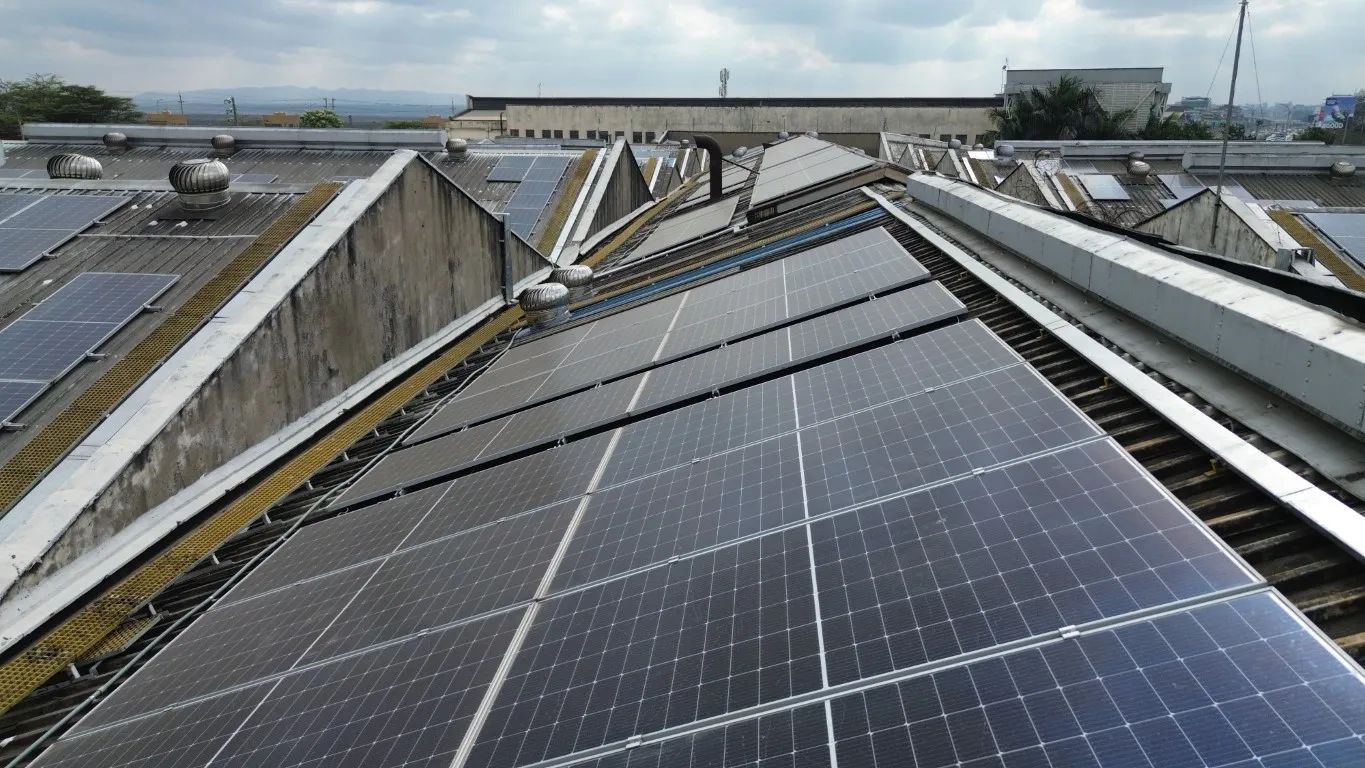
Kenya’s industrial sector is growing rapidly. From manufacturing plants and processing facilities to logistics centers and commercial enterprises, businesses are expanding to meet increasing demand. However, with growth comes a major challenge: energy management.
Energy costs remain one of the largest operational expenses for many industries. Frequent power interruptions, rising electricity bills, and the need for sustainable operations have pushed organizations to seek better ways of managing energy consumption. This is where smart energy solutions are making a significant difference.
Today, companies are no longer relying solely on traditional power systems. Instead, they are adopting advanced technologies that help them monitor, control, and optimize energy usage in real time. These innovations are improving efficiency, reducing costs, and supporting long-term sustainability goals.
As Kenya continues its journey toward industrial modernization, smart energy solutions are becoming a critical tool for businesses that want to remain competitive in a changing market.
Understanding Smart Energy Solutions
Smart energy solutions refer to technologies and systems designed to improve how energy is generated, distributed, monitored, and consumed. Unlike conventional systems that operate with limited visibility, smart systems provide real-time data and automated controls.
These solutions often include:
- Smart meters
- Energy monitoring systems
- Solar power integration
- Battery energy storage systems
- Automated lighting controls
- Intelligent HVAC management
- Energy management software
- IoT-enabled monitoring devices
The primary goal is simple: use energy more efficiently while maintaining or improving operational performance.
For industrial facilities, this means gaining greater control over energy consumption and identifying opportunities to reduce waste.
The Rising Need for Smart Energy Solutions in Kenya
Industrial growth in Kenya has increased the demand for reliable and cost-effective power. At the same time, businesses are under pressure to improve profitability while reducing their environmental impact.
Many industries face challenges such as:
- High electricity costs
- Unexpected downtime caused by power outages
- Inefficient equipment operation
- Difficulty tracking energy consumption
- Growing sustainability requirements
Traditional approaches often fail to provide the insights needed to address these issues effectively. Smart energy solutions bridge this gap by offering visibility into how, when, and where energy is being used.
This allows decision-makers to make informed choices that directly impact productivity and profitability.
Reducing Operational Costs
One of the most immediate benefits of smart energy solutions is cost reduction.
Many industrial facilities consume large amounts of electricity without fully understanding where inefficiencies exist. Equipment may continue running during idle periods. Lighting systems may remain active in unused spaces. Aging machinery may consume more power than necessary.
With smart monitoring systems, businesses can identify these inefficiencies quickly.
Real-time data reveals patterns that would otherwise go unnoticed. Managers can track consumption across departments, production lines, and individual equipment. This information helps organizations make targeted improvements rather than relying on guesswork.
Over time, these small improvements can lead to substantial savings.
For industries operating on tight margins, every percentage reduction in energy costs contributes directly to increased profitability.
Improving Reliability and Minimizing Downtime
Power interruptions can be costly for industrial operations.
A single outage may halt production, delay deliveries, damage sensitive equipment, or result in lost revenue. For businesses that depend on continuous operations, reliability is essential.
Smart energy solutions help address this challenge through predictive monitoring and backup energy integration.
Modern systems can detect abnormal energy patterns before they become major problems. Maintenance teams receive alerts about equipment performance issues, allowing them to take corrective action before failures occur.
When combined with solar energy systems and battery storage solutions, businesses gain an additional layer of protection against grid instability.
This improved reliability allows industries to maintain productivity and serve customers more consistently.
Supporting Sustainable Industrial Growth
Sustainability is no longer just a corporate responsibility initiative. It has become a business necessity.
Customers, investors, and regulatory bodies increasingly expect organizations to demonstrate environmental responsibility. Industries that embrace sustainable practices are often better positioned for long-term success.
Smart energy solutions support sustainability by reducing unnecessary energy consumption and lowering carbon emissions.
Businesses can monitor environmental performance metrics alongside operational data. This helps them establish measurable sustainability goals and track progress over time.
In Kenya, where renewable energy adoption continues to grow, integrating smart technologies with solar energy systems creates even greater environmental benefits.
Organizations can reduce dependence on conventional energy sources while improving operational resilience.
Enhancing Productivity Through Data-Driven Decisions
Modern industries generate enormous amounts of data. However, without proper analysis, valuable insights can remain hidden.
Smart energy solutions transform raw energy data into actionable information.
Managers gain access to dashboards and reports that reveal:
- Peak energy usage periods
- Equipment efficiency levels
- Production-related energy trends
- Cost distribution across operations
- Opportunities for optimization
This visibility enables more strategic decision-making.
For example, manufacturers can schedule energy-intensive activities during off-peak periods. Facility managers can identify underperforming equipment. Executives can evaluate investment opportunities based on actual energy performance data.
Better information leads to better decisions, which ultimately improves overall productivity.
Integrating Renewable Energy Technologies
Kenya has emerged as one of Africa’s leaders in renewable energy development.
As solar energy becomes more accessible, many industries are exploring ways to integrate renewable power into their operations. However, managing multiple energy sources requires sophisticated control systems.
This is where smart energy solutions become especially valuable.
Smart platforms can coordinate energy from solar panels, batteries, generators, and the national grid. The system automatically selects the most efficient energy source based on operational needs and cost considerations.
This level of automation helps businesses maximize the return on their renewable energy investments while ensuring consistent power availability.
The result is a more flexible and resilient energy infrastructure.
Improving Competitiveness in Modern Markets
Industrial competition is increasing across Kenya and the wider East African region.
Companies that manage resources efficiently gain a significant advantage. Lower operating costs, improved reliability, and stronger sustainability credentials contribute to greater market competitiveness.
Smart energy solutions provide a practical pathway toward achieving these advantages.
Businesses that adopt modern energy management technologies often experience improved operational efficiency and stronger financial performance. These benefits create opportunities for expansion, innovation, and long-term growth.
In many cases, energy optimization becomes a strategic investment rather than simply a cost-saving initiative.
The Future of Smart Energy Solutions in Kenya
The future looks promising for smart energy adoption across Kenyan industries.
Advancements in artificial intelligence, machine learning, IoT devices, and energy storage technologies continue to expand the capabilities of smart systems. These innovations will make energy management even more intelligent and efficient.
As technology becomes more accessible, businesses of all sizes will have opportunities to benefit from smart energy solutions.
Industries that begin their transformation today will be better prepared for tomorrow’s challenges and opportunities.
The shift toward smarter energy management is no longer a future trend. It is happening now.
Conclusion
The role of smart energy solutions in modern Kenyan industries cannot be overstated. From reducing operational costs and improving reliability to supporting sustainability and renewable energy integration, these technologies are transforming how businesses operate.
Organizations that embrace smart energy solutions gain greater visibility, improved efficiency, and stronger resilience in an increasingly competitive environment. The benefits extend beyond financial savings, creating opportunities for sustainable growth and long-term success.
As Kenyan industries continue to modernize, partnering with experienced energy specialists becomes increasingly important. Companies such as Spenomatic Energy Solutions are helping organizations navigate this transformation by providing innovative technologies and expertise that support smarter, more efficient energy management.
The future of industry is not simply about consuming more energy. It is about using energy more intelligently, responsibly, and strategically. Smart energy solutions are making that future possible.
Frequently Asked Questions (FAQs)
1. What are smart energy solutions?
These are technologies and systems that help businesses monitor, control, and optimize energy consumption. They often include smart meters, energy management software, renewable energy integration, and automated controls.
2. How do smart energy solutions reduce energy costs?
They provide real-time insights into energy usage, helping businesses identify inefficiencies, eliminate waste, and optimize equipment performance. This leads to lower electricity bills and improved operational efficiency.
3. Are smart energy solutions suitable for Kenyan industries?
Yes. Smart energy solutions are highly effective for Kenyan industries because they help address challenges such as high energy costs, power reliability concerns, and sustainability requirements.
4. Can smart energy solutions work with solar power systems?
Absolutely. Smart energy solutions can integrate with solar panels, battery storage systems, generators, and grid power to ensure efficient energy management and maximum performance.
5. Why are smart energy solutions important for the future of industry?
They support cost savings, operational reliability, sustainability, and data-driven decision-making. As industries become more competitive and environmentally conscious, smart energy solutions will play a vital role in long-term success.