HQ: Spring Valley, Nairobi, Kenya
Spenomatic Group Logo

Spenomatic Group · Nigeria

Solar energy in Nigeria.
Engineered for your operation.

Spenomatic Group serves Nigeria with turnkey industrial and commercial solar EPC, battery energy storage and integrated power solutions. Feasibility studies, system engineering, procurement, construction, commissioning and technical support connect solar generation to the needs of factories, commercial properties and homes.

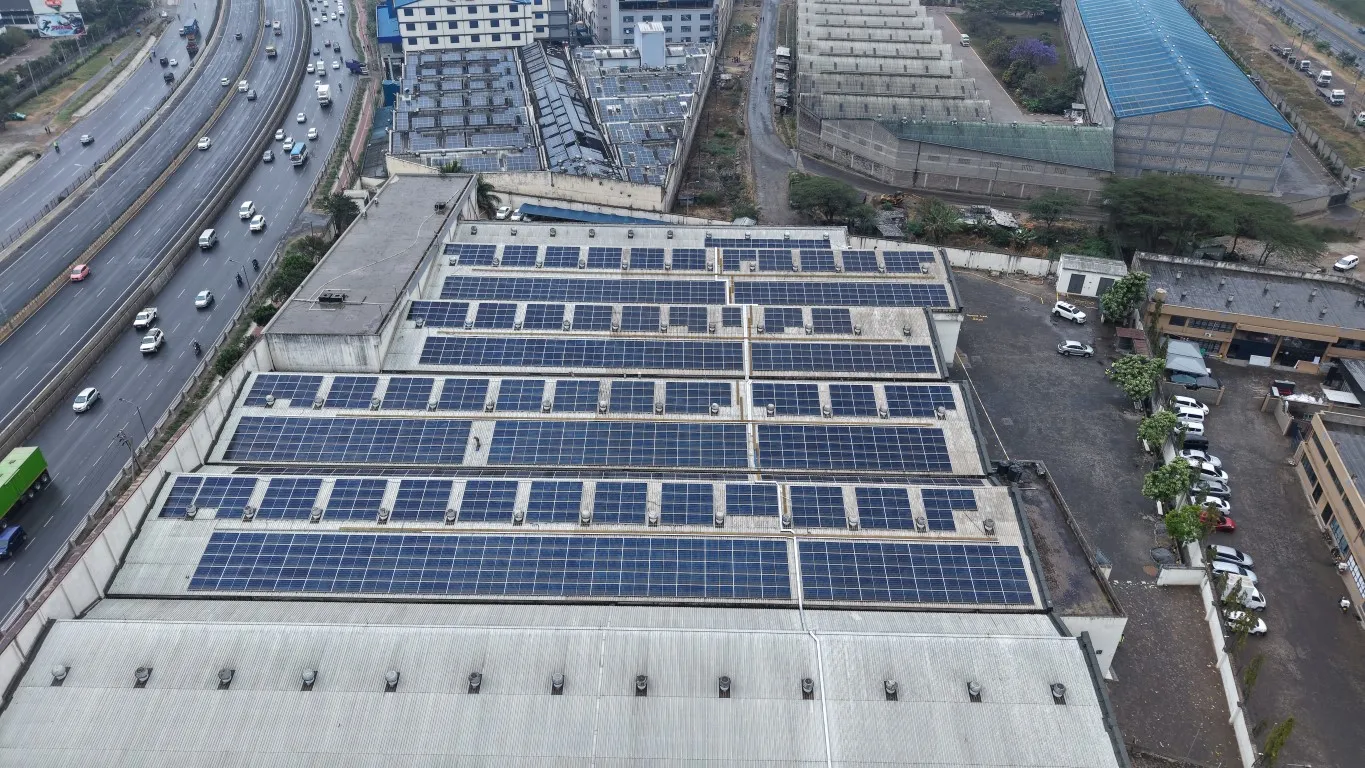
Rooftop Solar for Secure Printing Facility
Similar Spenomatic project elsewhere in Africa: Rooftop Solar for Secure Printing Facility
Industrial & commercial PVBattery storage & hybrid powerResidential solarTurnkey EPC & lifecycle support

Built around the site

Engineer solar around grid and generator operation

For Nigerian businesses using diesel generators, the value of solar depends on the electricity it can replace during operating hours. Load analysis, generator fuel consumption, grid availability and power-system controls determine whether solar-only or a solar-and-storage hybrid offers the stronger case.

Lagos and Ogun State’s industrial corridors, including Agbara, Ota and Igbesa, present manufacturing and logistics applications. Businesses in Abuja, Kano, Port Harcourt and Ibadan can request an assessment to establish feasibility and delivery requirements. Coastal humidity, flood exposure, northern heat and dust affect site design and maintenance.

Generation, storage & integration

Solar energy solutions in Nigeria

01

Industrial solar power

Rooftop, ground-mounted and carport systems engineered around production loads, roof or land suitability, protection coordination and future expansion. Capacity follows feasible on-site use and electrical constraints.

Industrial solar EPC →
02

Commercial solar installations

PV for offices, hotels, hospitals, schools, retail properties and logistics facilities. Match generation to cooling, refrigeration, occupancy, operating schedules and essential electrical services.

Assess a commercial site →
03

Battery energy storage

Store electricity for later use, support selected critical loads or manage demand where the operating case justifies it. Sizing considers usable energy, discharge power, cycling, reserve and losses.

Battery storage engineering →
04

Solar, grid & generator hybrids

Controls coordinate power sources while respecting generator loading, electrical protection and site reliability. Fuel savings depend on demand, generator operation and how much solar the facility can use.

Discuss hybrid power →
05

Residential & home solar

Home solar systems can combine panels, inverters, batteries and monitoring to support selected household loads. Design considers appliance starting currents, essential circuits, roof conditions and required battery autonomy rather than advertised inverter capacity alone.

Home & small commercial solar solutions →

Designed for real demand

Solar for Nigeria’s businesses and industries

Factories and processing plants

Match PV to production loads in food, packaging, plastics, pharmaceutical and textile operations.

Steel and building materials

Assess large electrical loads, protection coordination and transformer or substation integration.

Warehouses and commercial property

Evaluate roof area, operating schedules and essential services in logistics, retail and office buildings.

Agro-processing and cold storage

Coordinate seasonal demand, refrigeration and backup requirements with generation and storage.

One coordinated project

From feasibility to long-term performance

  1. Assess demand and the siteReview electricity bills, interval loads, operating hours, roof or land, generators and project objectives.
  2. Model and designCompare PV and storage configurations, generation, electrical integration, costs and delivery requirements.
  3. Procure and buildSpecify equipment and coordinate civil, mechanical and electrical installation against the approved design.
  4. Commission and supportTest protection and controls, hand over documentation, train operators and agree monitoring and maintenance.

Project photography

Relevant Spenomatic project images for Nigeria

Images are prioritised from the city, then the country. When local photography is unavailable, the caption identifies a similar project elsewhere in Africa.

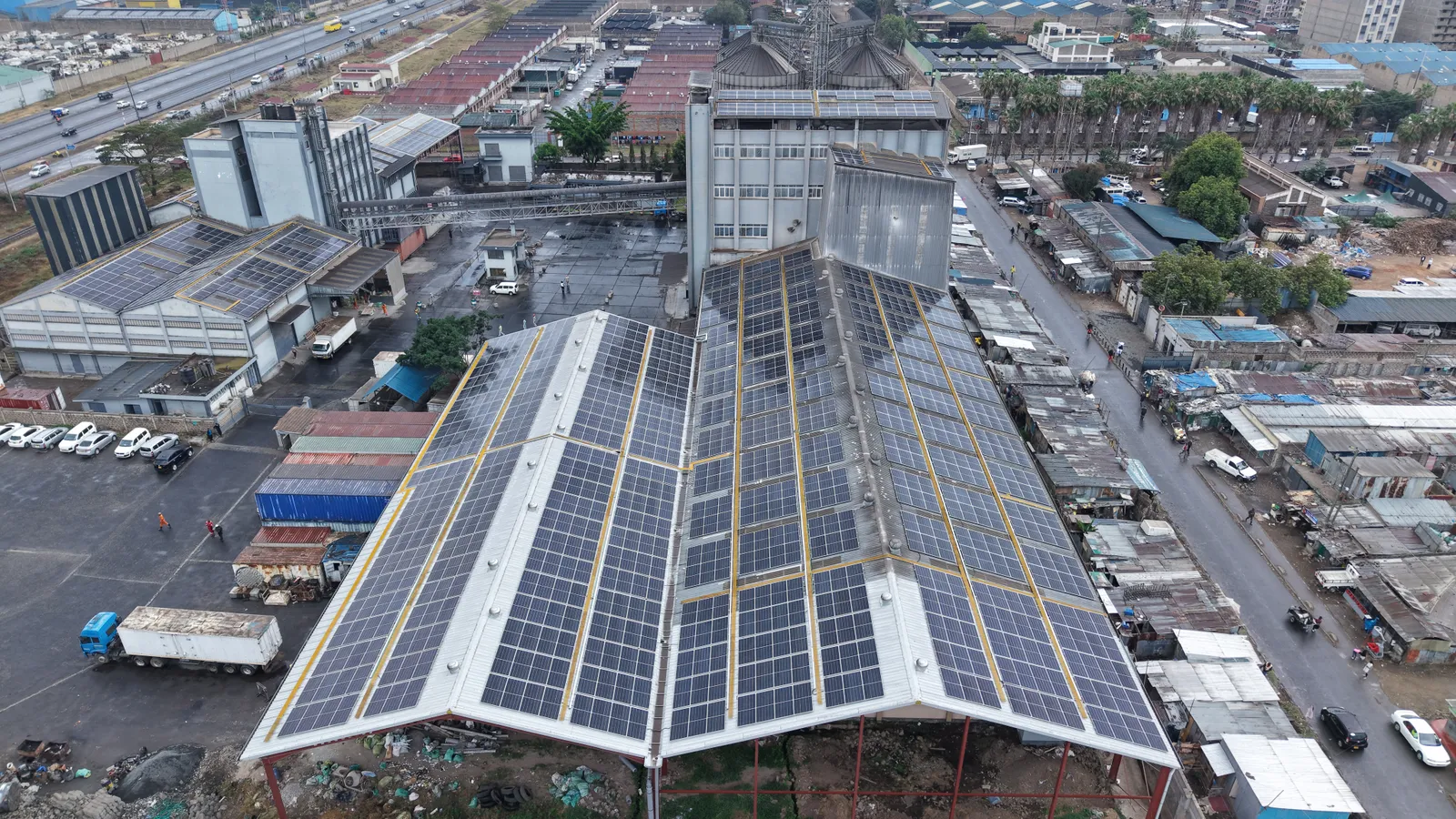
Rooftop Solar Installation for Kabansora Millers
Similar Spenomatic project elsewhere in Africa: Rooftop Solar Installation for Kabansora Millers
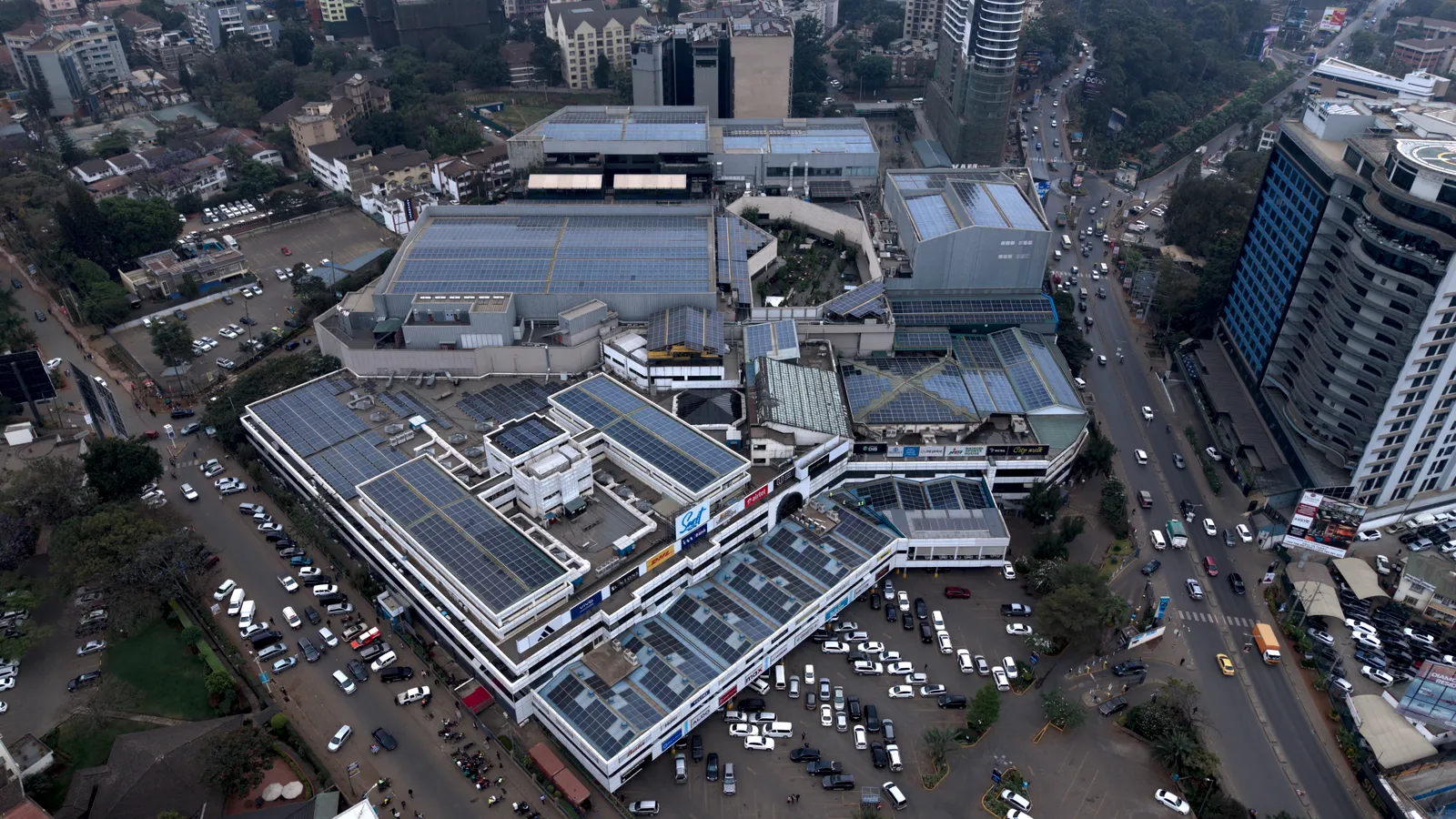
Award-Winning Rooftop Solar Installation at Sarit Centre, Nairobi
Similar Spenomatic project elsewhere in Africa: Award-Winning Rooftop Solar Installation at Sarit Centre, Nairobi
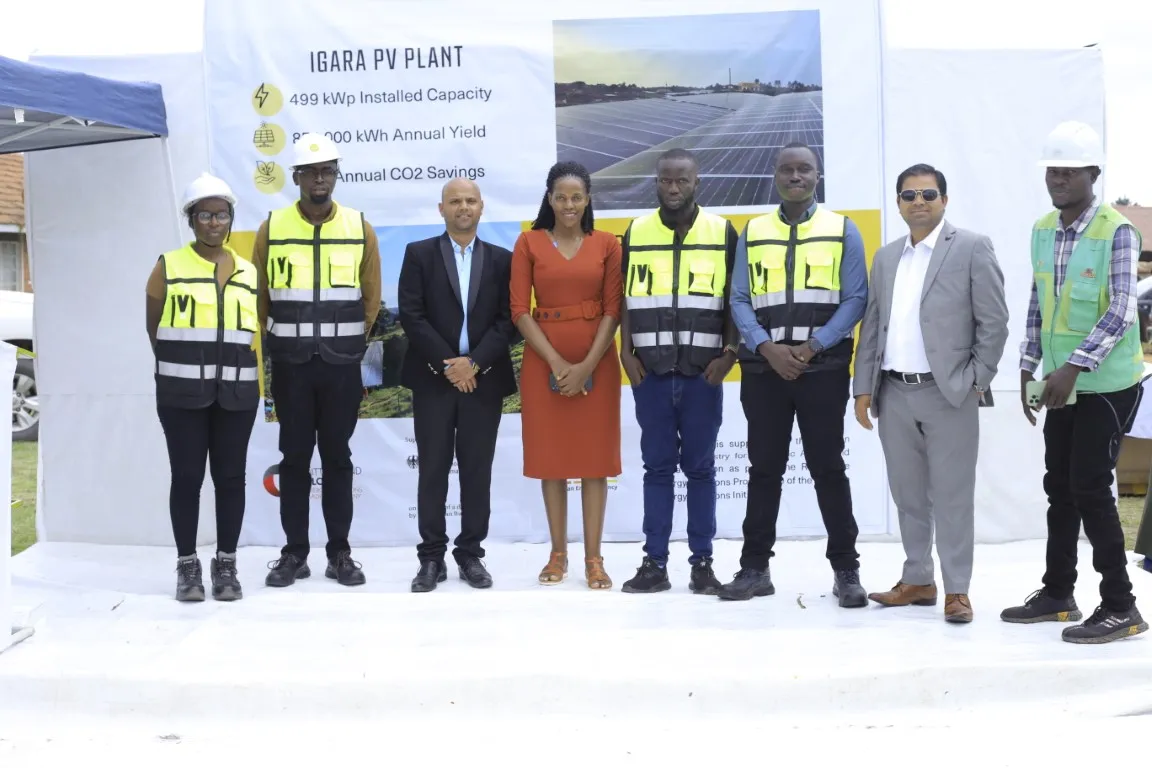
500kWp Solar Installation for Leading Tea Processing Facility in Ishaka, Uganda
Similar Spenomatic project elsewhere in Africa: 500kWp Solar Installation for Leading Tea Processing Facility in Ishaka, Uganda

Project evidence

Selected solar projects in Nigeria

Discuss relevant project experience, system configurations and reference availability with our engineering team.

Explore Spenomatic’s wider project portfolio →

Beyond solar

One engineering partner. More of your factory covered.

Industrial operations also depend on heat, steam, water and production equipment. Explore the relevant solution with Spenomatic’s specialist divisions.

Practical answers

Solar energy questions in Nigeria

Can solar reduce diesel use in a Nigerian factory?

A properly engineered hybrid can supply part of the facility’s demand and reduce generator runtime. Savings depend on solar production, fuel costs, generator loading, operating hours and controls.

How is battery backup duration determined?

Engineers assess usable battery energy, discharge power, selected loads, operating reserve and losses. A capacity figure in MWh alone does not establish backup duration.

Does Spenomatic assess projects in Lagos and Ogun State?

Businesses in these industrial markets can request an assessment. The team reviews the site, energy demand, integration requirements and available project delivery arrangements.

How long does an industrial solar project take?

The schedule depends on design complexity, capacity, procurement, approvals, civil works and site access. Establish the programme during feasibility and project planning.

Start with your operating data

Plan your solar project in Nigeria

Share your facility location, electricity bills, operating hours, generator use and available installation area. Our engineering team will help define the next assessment.