Start with the factory load, not a panel count
Motors, compressors, refrigeration, processing and packaging create distinct demand profiles. Use bills and interval data to determine useful generation before selecting PV or storage capacity.

Spenomatic Group · Thika, Kiambu
Spenomatic Group delivers industrial and commercial solar EPC, battery energy storage and home solar assessments for Thika, Juja, Ruiru, Tatu City and greater Kiambu County. Systems are designed around each site’s electricity demand, operating requirements and existing infrastructure.
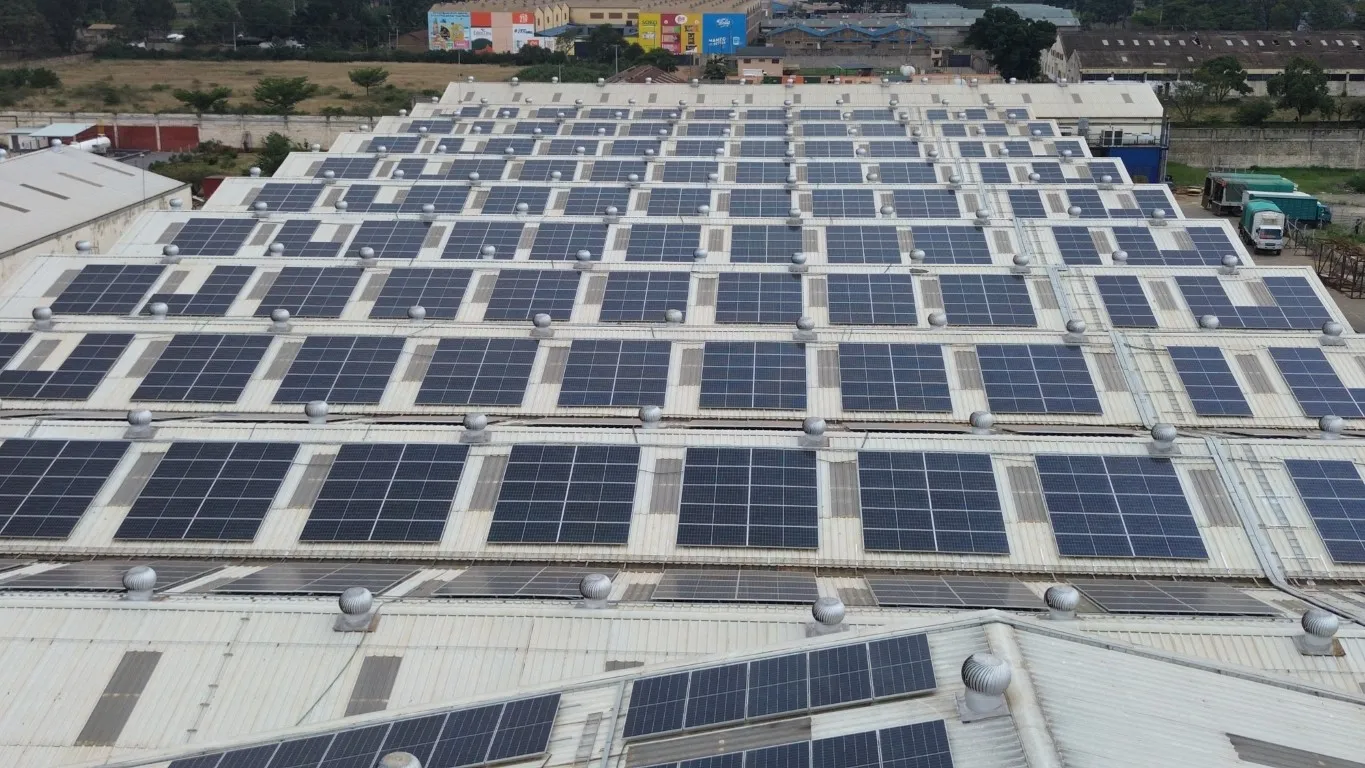
Built around the site
Food processors, paper and packaging plants, textile operations, beverage producers, warehouses and commercial properties have different electricity and process-utility demands. Engineering starts with measured consumption, production schedules, roof or land suitability and the facility’s grid, generator and transformer configuration.
Project enquiries can cover Thika, Juja, Ruiru, Tatu City, Kiambu Town, Limuru and suitable sites across Kiambu County. The final scope follows a site assessment of energy demand, installation conditions, access and electrical integration.
Local engineering priorities
Motors, compressors, refrigeration, processing and packaging create distinct demand profiles. Use bills and interval data to determine useful generation before selecting PV or storage capacity.
Industrial roofs need structural review, safe access and a mounting plan. The electrical assessment should confirm transformer headroom, switchgear, protection, earthing and how the solar plant will connect to existing sources.
Thika manufacturers may also depend on steam, biomass, process water and effluent treatment. Solar should be assessed as one part of the operating system, with interfaces and project phasing coordinated across utilities.
Generation, storage & integration
Industrial rooftop and ground-mounted PV for factories, warehouses and processing plants. Design considers production demand, structural capacity, electrical protection, transformer limits and maintenance access.
Industrial solar EPC →Solar for offices, schools, hospitals, retail, logistics and mixed-use developments in Thika, Juja and Ruiru. Size the system around daytime loads and usable installation space.
Assess a commercial site →Battery storage can support selected critical operations, shift energy or improve suitable hybrid configurations. Define required power, duration, cycling and reserve before selecting equipment.
Battery storage engineering →Coordinate PV with the grid, generators and facility controls. The feasibility model should test generator loading, outages, operating shifts and the amount of solar electricity the site can use.
Discuss hybrid power →Homes and small businesses in Thika, Juja, Ruiru and greater Kiambu can combine rooftop PV, hybrid inverters and batteries around measured consumption and selected backup circuits. Roof condition, appliance starting currents, equipment location, ventilation and required autonomy shape the design.
Home & small commercial solar solutions →Designed for real demand
Match PV to milling, refrigeration, pumping, processing and packaging while coordinating separate steam, water and effluent requirements.
Assess drives, compressors, ventilation and production schedules alongside thermal processes, structural conditions and electrical distribution.
Evaluate injection moulding, extrusion, cooling, compressed air and other daytime loads against available roof area and transformer capacity.
Compare lighting, cooling, material handling, tenant demand and operating hours with rooftop, carport or suitable ground-mounted options.
One coordinated project
Project photography
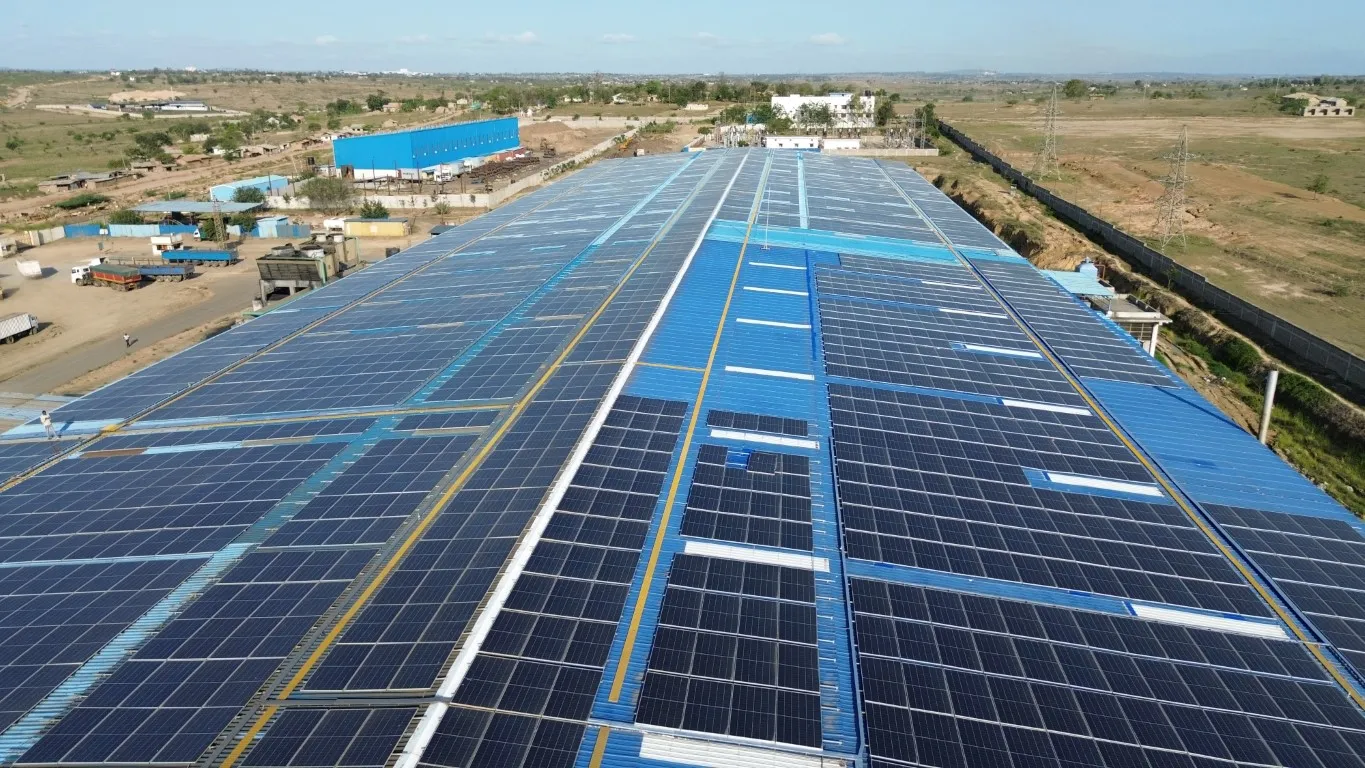
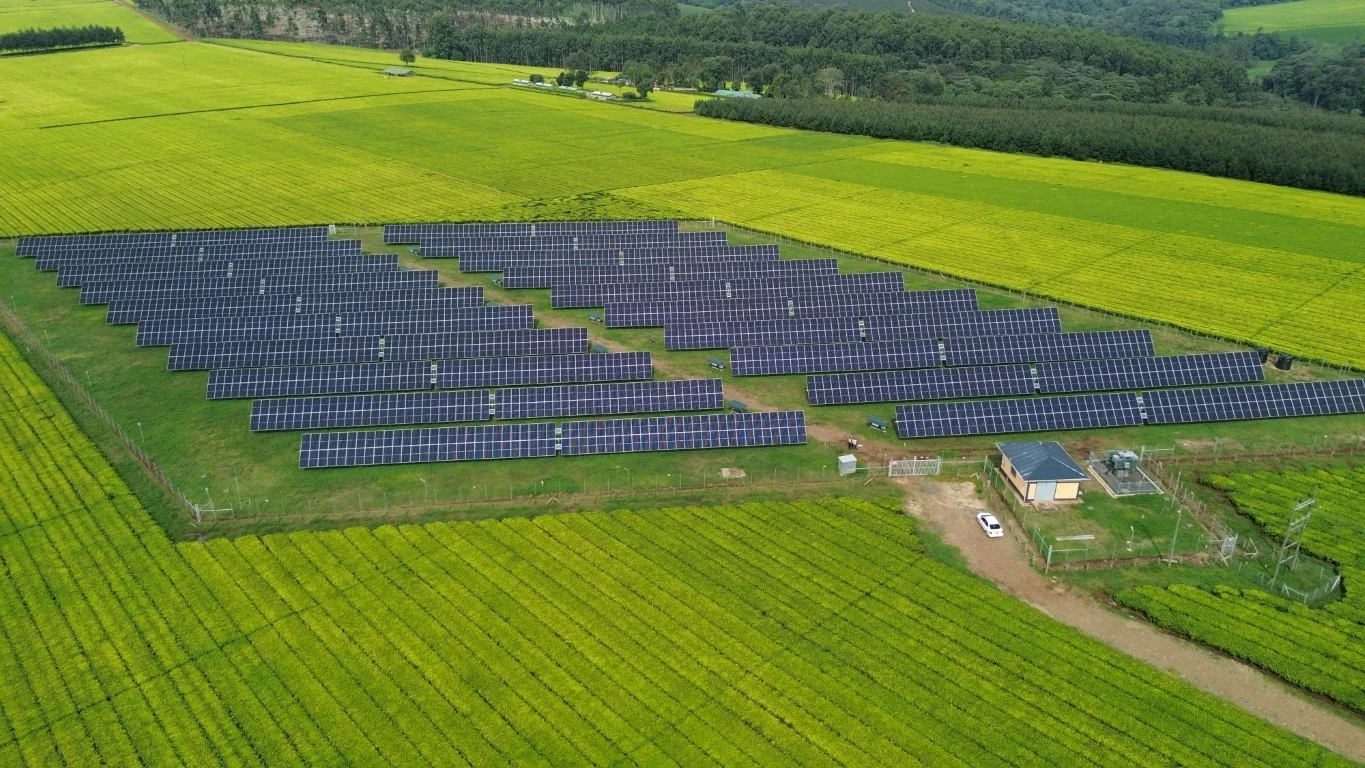
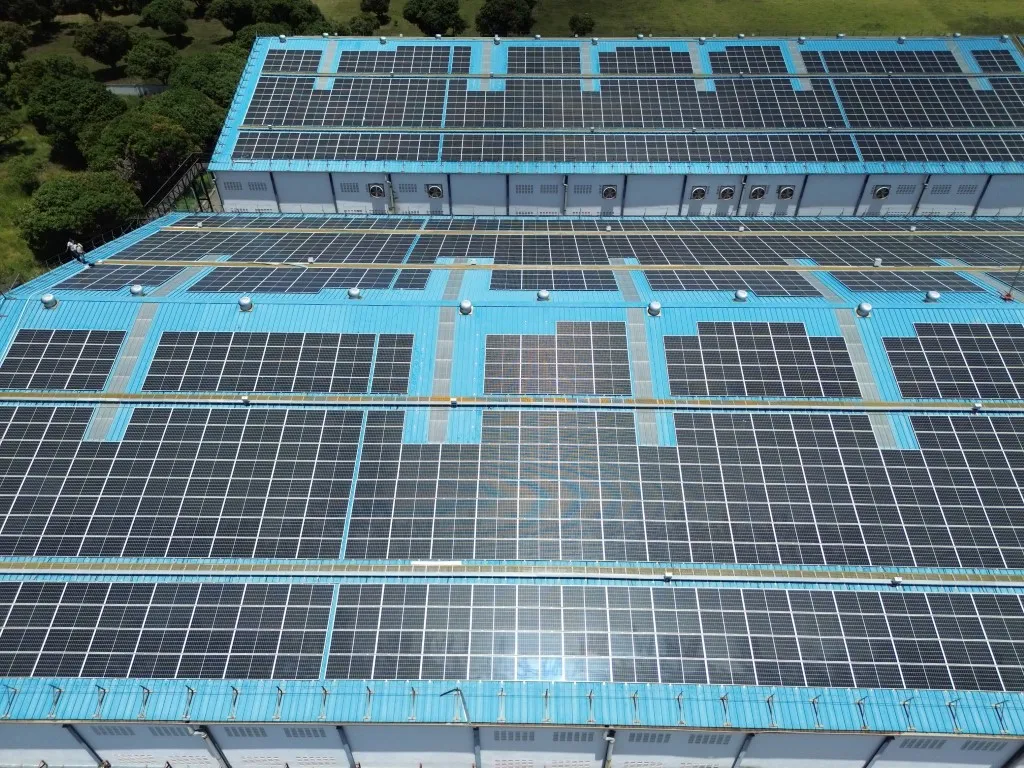
Project evidence
The featured 1.25 MWp roof-mounted installation is a published Spenomatic case study for a food and milling company in Thika. Its project page is the evidence source for the displayed location and capacity.
Beyond solar
Industrial operations also depend on heat, steam, water and production equipment. Explore the relevant solution with Spenomatic’s specialist divisions.
Process heat, industrial boilers and biomass systems, with cogeneration assessed against fuel supply and thermal and electrical demand.
Explore Boilers, biomass & cogenerationSteam distribution, pressure control, traps and condensate recovery to support consistent process temperatures and reduce utility losses.
Explore Steam systems & condensate recoveryProcess water, filtration, reverse osmosis, wastewater treatment and reuse designed around water quality and discharge requirements.
Explore Water & effluent treatmentTransformers, switchgear, protection and industrial distribution supporting power integration and factory expansion.
Explore Electrical infrastructure & substationsWithering, drying, process equipment and automation, coordinated with the factory’s steam, electrical and production requirements.
Explore Tea processing & efficient machineryTesting, water conditioning and process chemistry to support production quality and reliable industrial utilities.
Explore Laboratory & process chemicalsPractical answers
Compare relevant project evidence, engineering capability, proposal assumptions, equipment warranties, commissioning records and long-term support. Spenomatic’s linked Thika case study provides a published local reference.
Yes. This page links to a published 1.25 MWp roof-mounted solar case study for a food and milling company in Thika.
Yes. Businesses, institutions and homeowners in Juja and Ruiru can request an assessment. The final system and delivery scope depend on electricity use, site conditions and technical feasibility.
Cost depends on capacity, modules, inverters, storage, roof or ground works, protection, switchgear, approvals and commissioning. A site-specific engineering assessment is more reliable than a generic price.
Provide recent electricity bills, interval data if available, operating shifts, generator use, facility and industry details, roof or land information, critical loads and planned expansion.
Start with your operating data
Share your facility location, electricity bills, operating hours, generator use and available installation area. Our engineering team will help define the next assessment.