HQ: Spring Valley, Nairobi, Kenya
Spenomatic Group Logo

Spenomatic Group · Mombasa

Solar energy in Mombasa.
Engineered for your operation.

Spenomatic Group delivers industrial and commercial solar EPC, home solar and battery energy storage for projects in Mombasa and Kenya’s Coast region. Systems are designed around electricity demand, available roof or ground space and coastal operating conditions, from feasibility through installation, commissioning and maintenance.

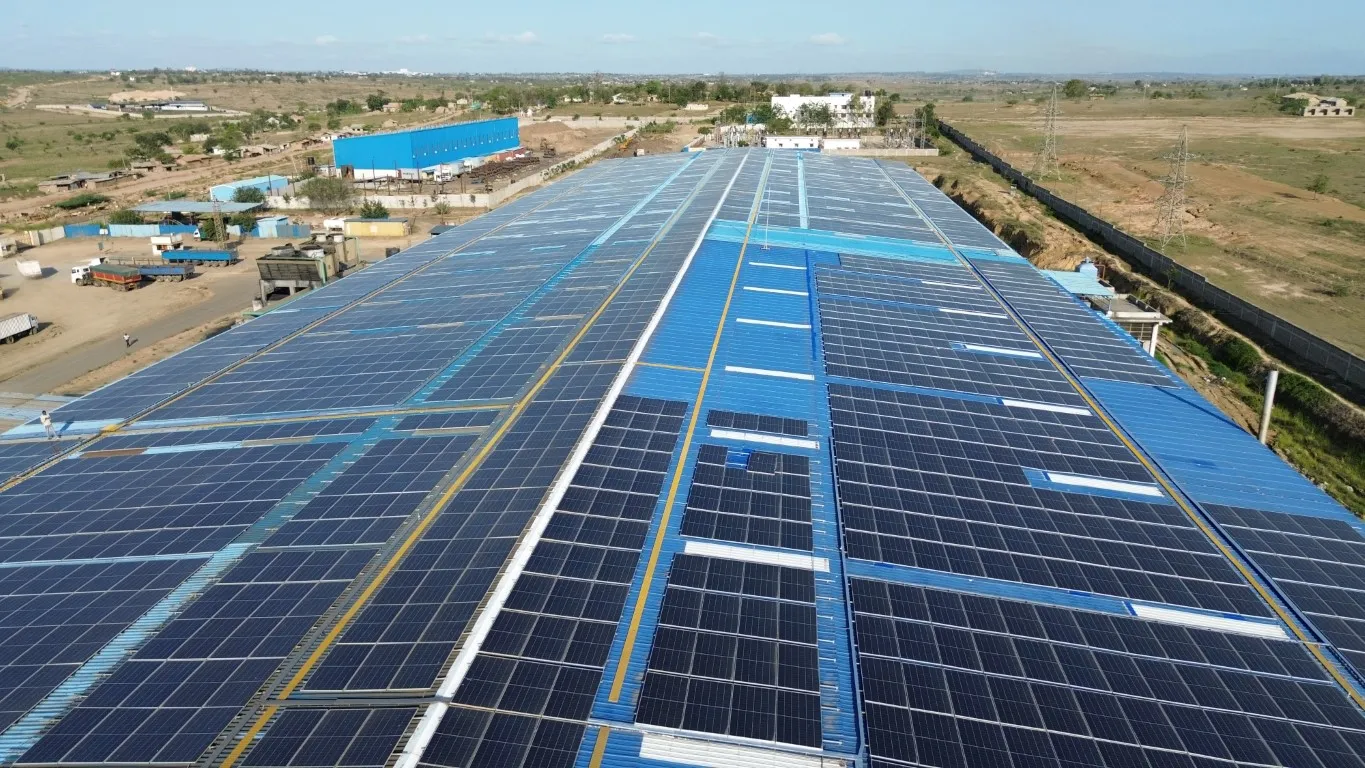
2.2MWp Rooftop Solar for Footwear Manufacturing
Project in Mombasa: 2.2MWp Rooftop Solar for Footwear Manufacturing
Industrial & commercial PVBattery storage & hybrid powerResidential solarTurnkey EPC & lifecycle support

Built around the site

Solar engineering for a coastal industrial economy

Mombasa’s factories, port-related businesses and commercial properties have very different power needs. A steel rolling operation, an edible oil processor and a hotel should each begin with measured consumption and a clear understanding of which loads solar can supply during daylight hours.

Assessments can cover Changamwe, Jomvu, Miritini, Shimanzi, Kipevu, Bamburi, Nyali and Likoni, with wider Coast enquiries including Mariakani, Kilifi, Diani and Ukunda. Each project’s scope, access requirements and delivery arrangements are established through site assessment.

Local engineering priorities

What a Mombasa solar assessment should resolve

Specify for salt, humidity and heat

A coastal survey should inform corrosion-resistant fixings, mounting materials, enclosure protection and equipment siting. Ventilation, wind loading and safe access for inspection also affect the long-term installation. Establish a cleaning and maintenance plan that reflects the actual exposure of the site.
Keep industrial safety boundaries clear

Petroleum terminals, tank farms and chemical facilities need site-specific electrical and safety assessments. Identify hazardous areas and suitable installation locations before proposing PV or batteries. Available roof area alone is not enough to establish that a solar installation is appropriate.

Design around the hours that matter

A daytime production line can use PV differently from a hotel with significant evening demand. Review cooling and refrigeration loads, production shifts and generator use together. Assess storage only against a defined duty, rather than assuming batteries are required for every coastal property.

Generation, storage & integration

Solar energy solutions in Mombasa

01

Industrial solar power

Industrial rooftop and ground-mounted PV for manufacturing, processing and warehousing. Check structural capacity, mounting durability, protection and actual daytime demand before selecting the installation size.

Industrial solar EPC →
02

Commercial solar installations

Solar for hotels, retail buildings, hospitals and logistics facilities. Cooling, refrigeration, pumping and occupancy patterns determine how much generation can be used directly rather than exported or stored.

Assess a commercial site →
03

Battery energy storage

Storage can shift daytime generation into later operating hours or support selected critical loads when configured for backup. Coastal equipment protection, cooling and maintenance access form part of the design.

Battery storage engineering →
04

Solar, grid & generator hybrids

Coordinate PV with existing grid connections, generators and controls. Model generator loading and fuel consumption alongside hotel or factory operating hours before estimating diesel savings.

Discuss hybrid power →
05

Residential & home solar

For homes in Mombasa and the wider Coast region, panels, hybrid inverters and batteries should be sized around household consumption and essential backup circuits. Roof condition, salt exposure, equipment location and ventilation matter alongside battery autonomy and budget.

Home & small commercial solar solutions →

Designed for real demand

Solar for Mombasa’s businesses and industries

Steel, cement & manufacturing

Assess motors, rolling, grinding, conveyors and auxiliary electricity demand. PV offsets suitable electrical loads; it does not directly replace high-temperature process heat.

Food & edible oil processing

Match PV to pumping, refrigeration, packaging and production schedules, alongside the facility’s separate thermal and water requirements.

Logistics & warehousing

Evaluate warehouse roofs, handling equipment, cold stores and daytime port-related operations against electrical connection and site-access constraints.

Hotels & commercial properties

Compare daytime cooling, laundry support, pumping and refrigeration with evening consumption and the backup needs of essential services.

One coordinated project

From feasibility to long-term performance

  1. Assess demand and the siteReview electricity bills, interval loads, operating hours, roof or land, generators and project objectives.
  2. Model and designCompare PV and storage configurations, generation, electrical integration, costs and delivery requirements.
  3. Procure and buildSpecify equipment and coordinate civil, mechanical and electrical installation against the approved design.
  4. Commission and supportTest protection and controls, hand over documentation, train operators and agree monitoring and maintenance.

Project photography

Relevant Spenomatic project images for Mombasa

Images are prioritised from the city, then the country. When local photography is unavailable, the caption identifies a similar project elsewhere in Africa.

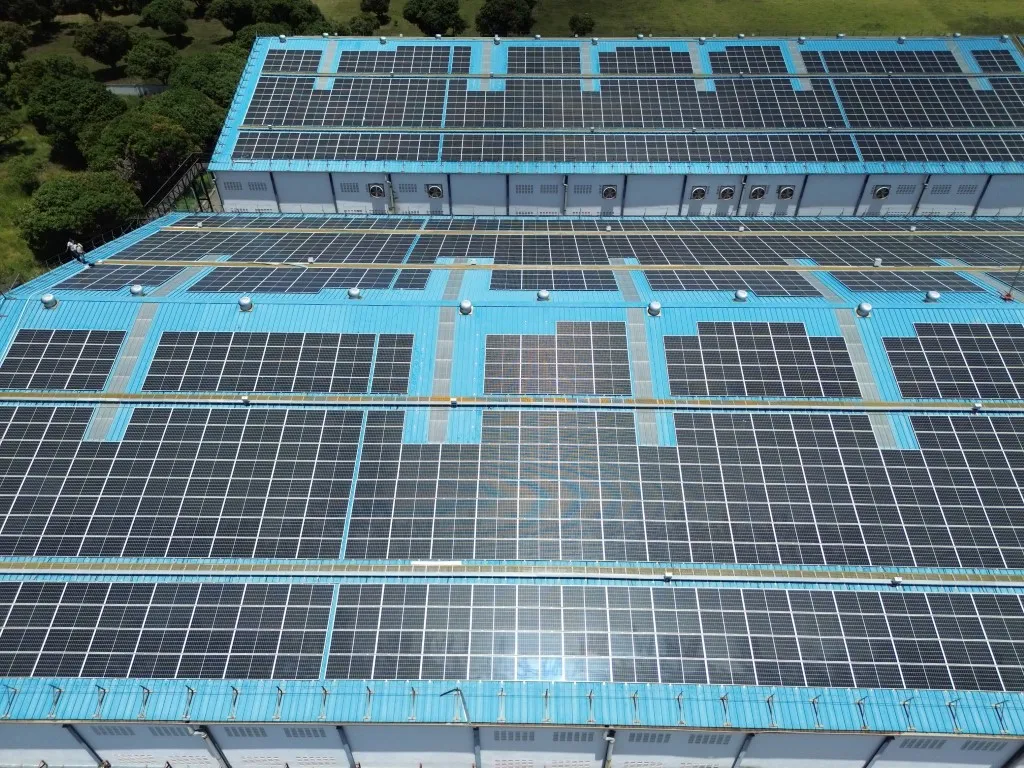
1.5MWp Roof-Mounted Solar Installation for Leading Food Manufacturer in Coastal Kenya
Project in Mombasa: 1.5MWp Roof-Mounted Solar Installation for Leading Food Manufacturer in Coastal Kenya
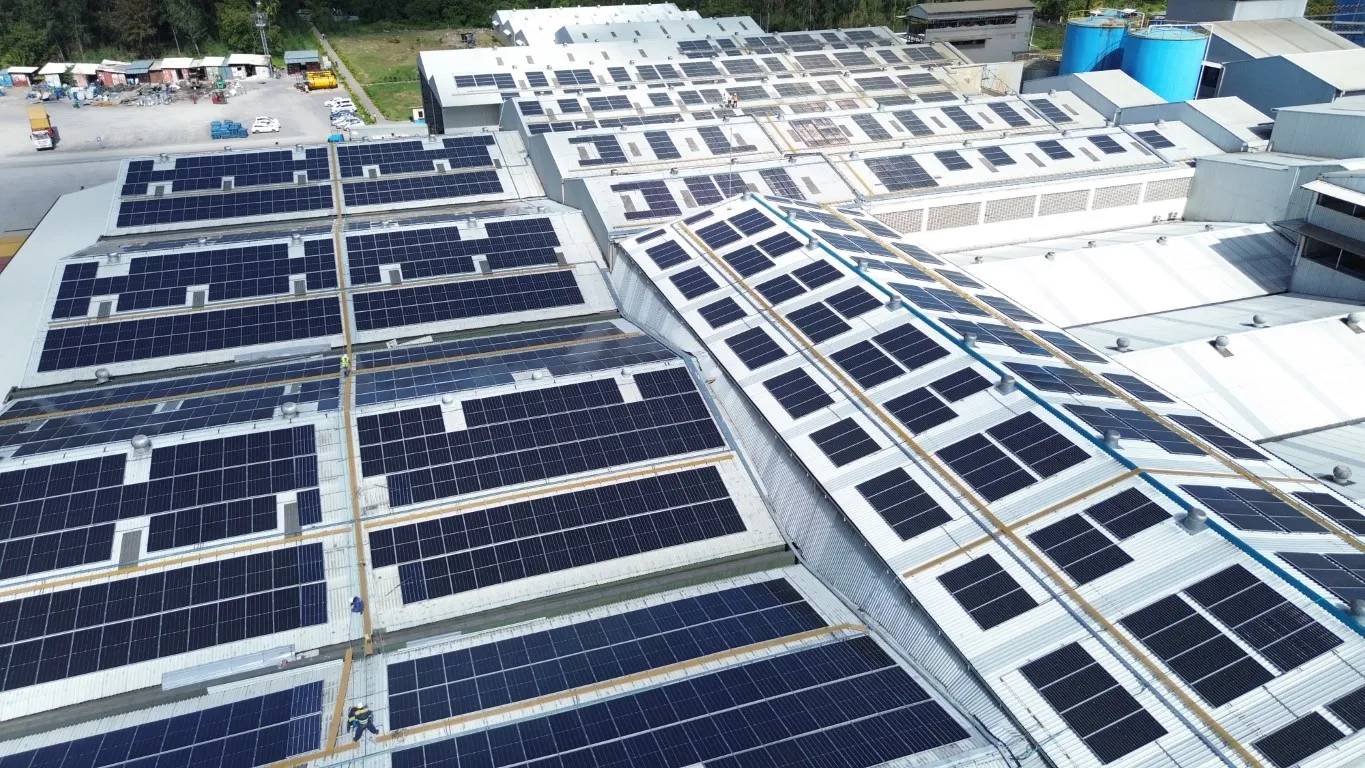
Roof-Mounted Solar Installation for Leading Engineering and Manufacturing Firm in Mombasa
Project in Mombasa: Roof-Mounted Solar Installation for Leading Engineering and Manufacturing Firm in Mombasa
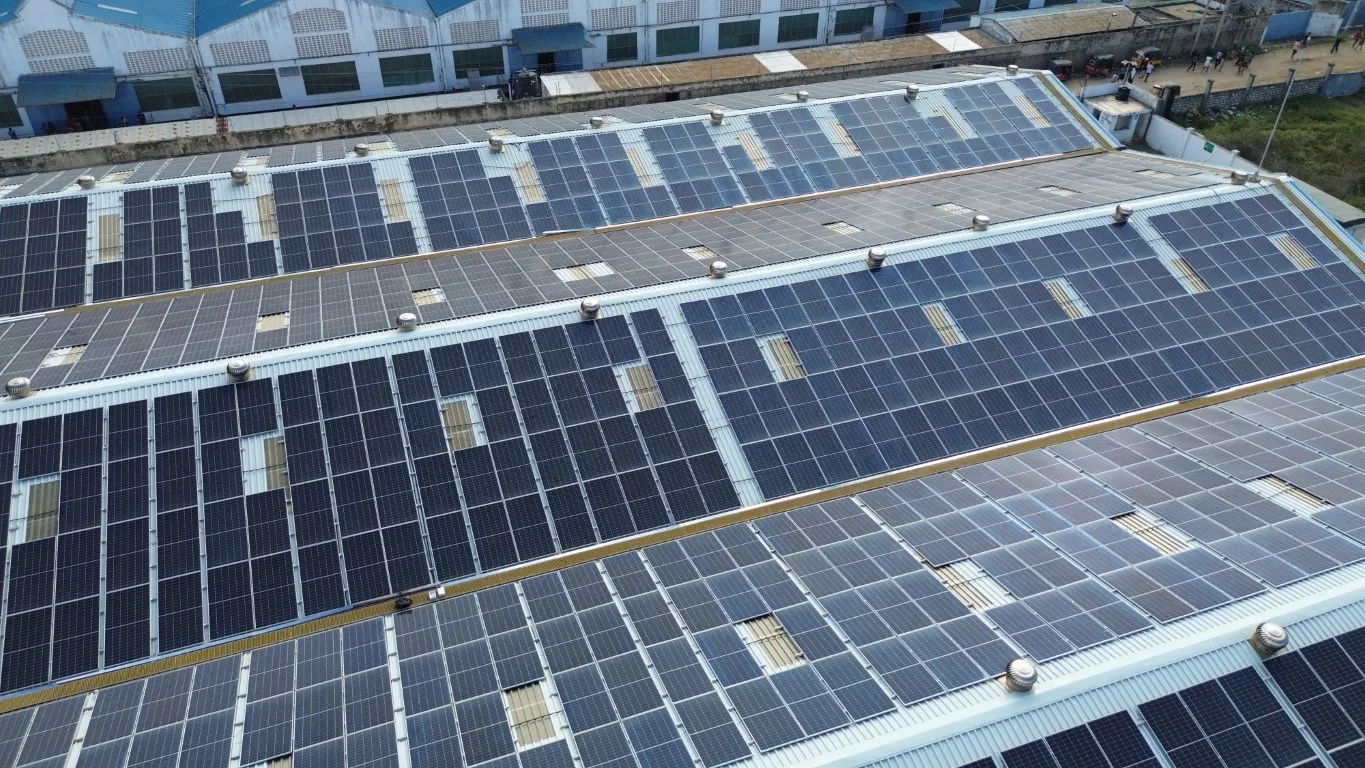
17.2MWp Solar for Steel Manufacturing
Project in Mombasa: 17.2MWp Solar for Steel Manufacturing

Project evidence

Selected solar projects in Mombasa

These published projects include coastal manufacturing installations. The steel-manufacturing case study covers both Kisumu and Mombasa; its stated capacity is the combined project figure.

Explore all published projects in Kenya →

Beyond solar

One engineering partner. More of your factory covered.

Industrial operations also depend on heat, steam, water and production equipment. Explore the relevant solution with Spenomatic’s specialist divisions.

Practical answers

Solar energy questions in Mombasa

Can solar panels withstand Mombasa’s coastal conditions?

Yes, when equipment and installation are specified for the site. Assess salt exposure, corrosion, temperature, wind loading, mounting materials and maintenance requirements rather than treating all coastal roofs alike.

Can solar serve a factory that operates at night?

PV supplies electricity during solar production hours. Nighttime operation needs another source, which may include grid supply, generators or appropriately sized batteries. Compare the options using the full daily load profile.

Does Spenomatic have solar project experience in coastal manufacturing?

The linked portfolio includes rubber manufacturing, food manufacturing and engineering installations in Mombasa, plus a steel-manufacturing project spanning Kisumu and Mombasa. Each card links to its own case study.

How should a Mombasa hotel assess solar and storage?

Review cooling, refrigeration, pumps, occupancy and daytime versus evening consumption. Identify critical backup circuits and compare solar-only with storage options using actual electricity costs and operating data.

What information is needed for a coastal solar quotation?

Share the location, recent electricity bills, operating schedule, generator use, roof or land details and backup requirements. A survey establishes structural, electrical, corrosion and access considerations.

Start with your operating data

Plan your solar project in Mombasa

Share your facility location, electricity bills, operating hours, generator use and available installation area. Our engineering team will help define the next assessment.