
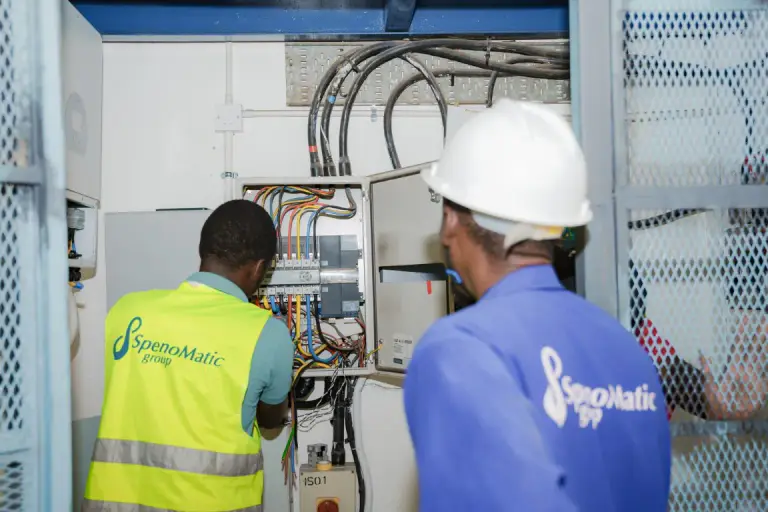
Solar commissioning is the point at which a completed installation is tested against its design, safety requirements and intended operating sequence. For a commercial or industrial plant, energisation alone does not demonstrate that protection, monitoring, generators, batteries and utility interfaces perform correctly.
This checklist helps asset owners define the evidence they should receive before accepting a solar project. The final test plan must be prepared for the actual design and applicable requirements.
Before testing begins
- Approved drawings and equipment schedules are available.
- Construction inspections and open defects are recorded.
- Required permits, notices and utility coordination are confirmed.
- Test instruments are appropriate and within calibration.
- Safe isolation, energisation and emergency procedures are agreed.
Document and visual review
Confirm that installed equipment matches the approved design or documented substitutions. Inspect module mounting, cable support, connectors, labels, enclosures, access, drainage, equipment clearances, earthing and protection. Photographs and inspection records create a useful baseline for future maintenance.
DC-side tests
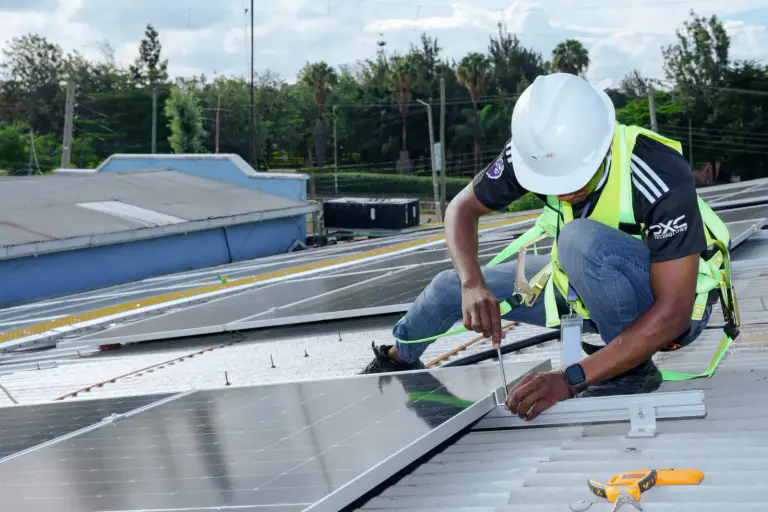
The commissioning plan may include string identification, polarity, open-circuit voltage, continuity, insulation resistance and connector or termination checks. Results should be recorded by array and compared with expected values so abnormal strings can be investigated before full operation.
AC-side and protection tests
Verify cable terminations, phase sequence, earthing, protective-device settings, isolation and the point of connection. Protection testing should reflect the approved coordination and utility requirements. Any setting changed during commissioning must be captured in the final documentation.
Inverter and control configuration
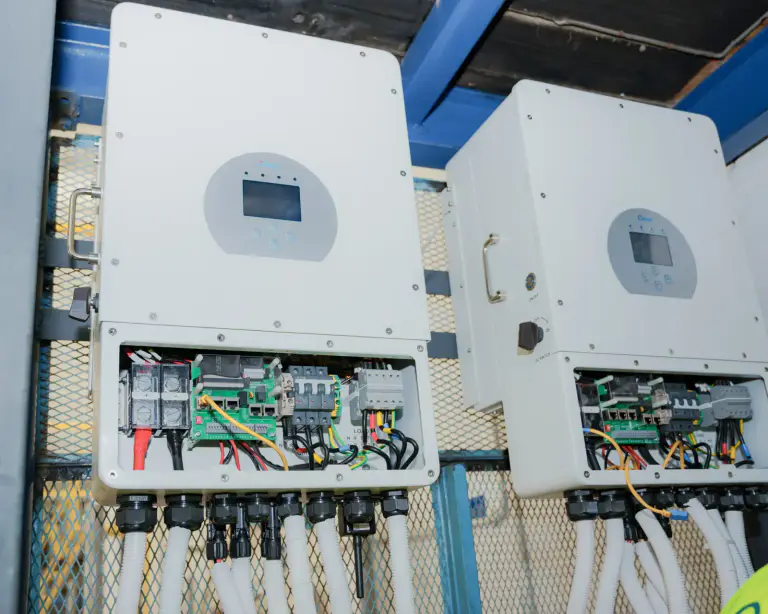
Record firmware, operating modes, export limits where applicable, power-quality settings, communications and alarms. Test normal startup and shutdown, loss of grid, restoration and emergency isolation according to the design.
Generator and battery integration
Where the plant includes generators or battery energy storage, test the operating sequences that matter to the facility. These can include generator minimum loading, source transfer, battery charge and discharge limits, reserve state of charge, critical-load supply, fault response and recovery.
See the battery energy storage engineering service and the guide to solar system architectures.
Monitoring and data verification
Confirm that meters, inverters, weather sensors and monitoring systems report plausible values with correct timestamps. Check user permissions, alarms, communications loss and data retention. The asset owner should know who receives alerts and how faults are escalated.
Performance baseline
Record site conditions and system output at acceptance so future performance can be compared with a known baseline. A performance test should state its method, duration, weather and load assumptions, exclusions and acceptance criteria. Avoid treating a single instantaneous power reading as proof of annual generation.
Handover package
- As-built layouts and single-line diagrams
- Equipment and serial-number register
- Protection and inverter settings
- Inspection and test results
- Manufacturer and workmanship warranties
- Operating, shutdown and emergency procedures
- Monitoring access and alarm responsibilities
- Preventive maintenance plan
- Training and attendance records
- Defect list with owners and completion dates
First months of operation
Review generation, availability, alarms and site demand frequently during early operation. This period can reveal communications faults, shading changes, nuisance trips or operating interactions that were not visible during short commissioning tests.
Agree how defects are reported and closed, and when the first preventive inspection will occur. If a separate solar O&M company will operate the plant, involve it before final handover.
Questions for project acceptance
- Does the installation match the approved and as-built design?
- Were all required tests completed and recorded?
- Do grid, generator and battery sequences work as intended?
- Can the owner see and act on monitoring alarms?
- Are warranties, settings and maintenance responsibilities clear?
- Are outstanding defects assigned and dated?
Commissioning evidence should also be defined in the proposal and contract. Use the guide to choosing a solar installation company in Kenya and review the complete commercial solar installation process before appointing a delivery team.
Spenomatic includes testing, commissioning and lifecycle planning within its commercial and industrial solar EPC services. To define the acceptance requirements for a proposed project, request an industrial energy assessment.