
Choosing among solar installation companies in Kenya requires more than comparing panel brands and headline prices. The company must be able to translate your energy demand, site conditions and operating objectives into a safe system that can be tested, documented and supported.
This checklist applies to homeowners, businesses and industrial facilities. Larger commercial projects will require deeper structural, electrical, financial and project-management capability.
1. Verify the relevant licences
Kenya's Energy (Solar Photovoltaic Systems) Regulations cover solar PV technicians, vendors and contractors. EPRA provides renewable-energy licensing resources and registers. Ask who will design, supervise and complete the installation, then verify current licence information directly with the regulator.
Licensing is a starting point. The proposed team should also have experience relevant to the capacity, voltage, building type and system architecture being considered.
2. Look for comparable completed projects
Ask for projects that resemble yours in scale and operating environment. A residential rooftop, a warehouse and a multi-megawatt factory plant require different engineering and construction controls.
Useful case studies state the location, application, capacity, system type, scope and constraints. Review Spenomatic's commercial and industrial solar projects as an example of the evidence a buyer should seek.
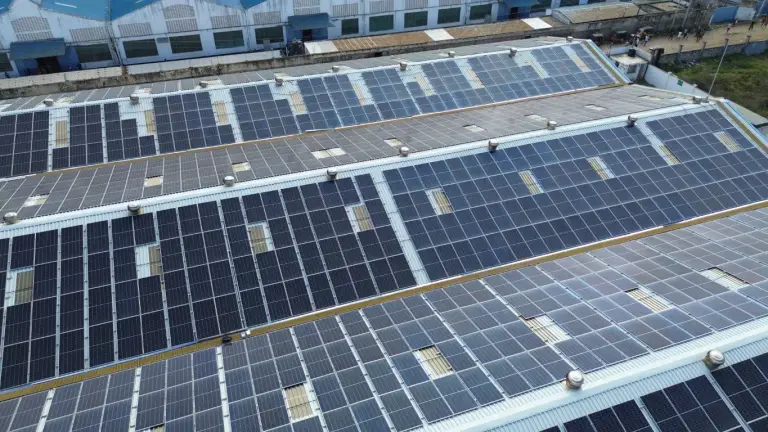
3. Test the assessment process
A competent solar energy installer asks for load information and inspects the site before finalising the design. For a business, that may include interval demand, tariffs, shifts, generators, transformers, production growth and outage history. For a home, it includes appliances, simultaneous demand, roof conditions and backup expectations.
Be cautious when every customer is offered the same package without a documented design basis.
4. Review engineering capability
Ask who is responsible for structural design, electrical diagrams, protection, earthing, cable sizing, equipment selection and grid or generator integration. Commercial solar installers should be able to explain how the plant will interact with the facility's existing electrical infrastructure.
If batteries are included, the company should explain usable capacity, power limits, controls, operating mode, ventilation or thermal requirements and warranty conditions.
5. Compare the full scope
Solar panel installation companies may price different scopes. Ask each bidder to identify:
- Surveys and engineering included
- Equipment makes, models and approved alternatives
- Mounting, civil and roof works
- AC and DC electrical works
- Protection, earthing and monitoring
- Approvals and utility responsibilities
- Testing and commissioning
- Training and handover documents
- Maintenance and response commitments
- Taxes, exclusions and customer-supplied items
For projects still defining the budget, the guide to commercial solar installation cost in Kenya explains why apparently similar quotations can cover different engineering and construction scopes.
6. Examine generation and savings assumptions
A proposal should state the data, losses and operating assumptions behind its generation estimate. The savings model should distinguish self-consumed energy from possible exports and should not assume that every generated unit has the same value.
For a structured comparison, use the commercial solar proposal checklist.
7. Understand warranties
Separate manufacturer warranties from installer workmanship and performance commitments. Ask who receives a warranty claim, what evidence is required, whether labour and transport are included and how long replacement may take.
A long warranty statement has limited value without a practical local support process.
8. Review safety and construction planning
Ask how the contractor will control roof access, lifting, electrical isolation, fire risk, weather, work at height and interaction with occupants or production. Industrial sites should receive a project-specific construction and shutdown plan.
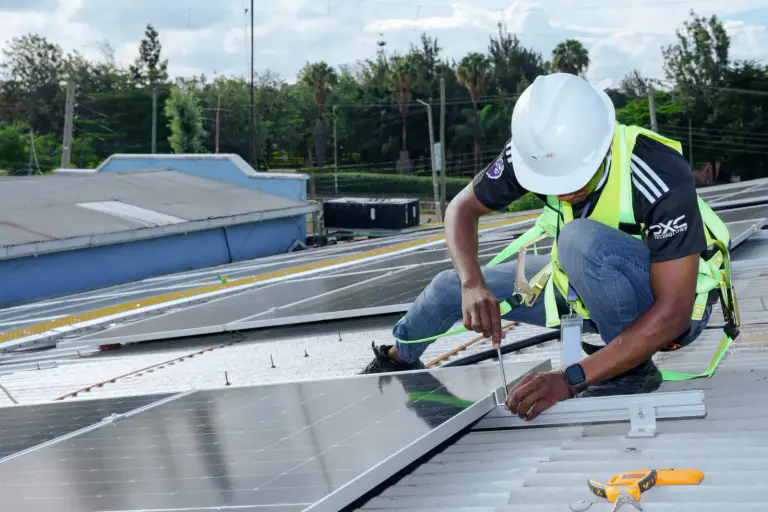
9. Require commissioning and handover
The scope should define the tests completed before energisation and handover. Request as-built drawings, settings, test results, warranties, equipment manuals, monitoring access, training and a contact route for faults. Use the solar commissioning and performance verification checklist to define the expected evidence.
10. Check lifecycle support
Solar systems need monitoring, inspection and maintenance. Ask who reviews alarms and generation, what preventive tasks are included, how quickly faults are assessed and whether spare parts are available. For businesses, clarify whether the provider offers solar O&M as a separate service or as part of EPC delivery.
Questions for the final interview
- Which verified projects best demonstrate your experience with this site type?
- What information determines your proposed system capacity?
- Who signs off the structural and electrical design?
- Which costs and responsibilities are excluded?
- How will the system behave during a grid outage?
- What acceptance tests and documents will we receive?
- Who supports the system after commissioning?
Choose evidence over rankings
Searches for the best solar companies in Kenya often return directories and promotional lists. A better decision comes from verifying licences, engineering, comparable projects, transparent assumptions, complete scope and support.
Commercial buyers can explore Spenomatic's industrial solar EPC approach. Homeowners can review home solar installation services.