
Carbon emissions have become one of the biggest challenges facing industries and households today. Rising awareness of climate change, stricter environmental regulations, and growing energy costs mean that businesses can no longer treat energy as just another utility. Instead, energy decisions now have environmental, financial, and operational consequences. Clean energy solutions offer a practical way to reduce carbon footprints while keeping operations efficient and costs manageable.
Spenomatic Energy Solutions has been supporting organizations and industries in adopting cleaner energy technologies that are not only sustainable but also economically sensible. By switching to smart, renewable systems, businesses can make a real difference, for the environment and their bottom line.
Understanding Carbon Footprints in Energy Use
Carbon footprint is a measure of total greenhouse gas emissions emanating from electricity, heat, or fuel consumption. In an industrial process, energy use very often forms a large part of it. Each kilowatt-hour produced through burning fossil fuels adds carbon dioxide to the atmosphere, accelerating climate change.The United Nations Environment Programme highlights that switching to cleaner sources of energy is probably one of the most rapid means of reducing emissions on a global scale. This means that industries will have to rethink how power is generated, utilized, and stored. In short, solutions include much more than turning lights off or reducing waste; these are systemic changes which place cleaner energy at the core of operations.
The Role of Renewable Energy
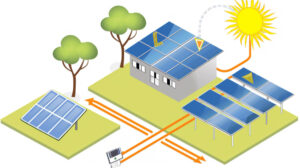
Renewable energy sources such as solar, wind, and biomass play a central role in reducing carbon footprints. Unlike coal or oil, they produce little to no emissions during operation. Installing solar panels, for example, allows factories and offices to generate electricity on-site, decreasing reliance on fossil-fuel-based power from the grid.
Spenomatic Energy Solutions helps businesses design renewable energy systems that fit their specific energy needs. These systems can be standalone, hybrid, or fully integrated with existing operations. The goal is to ensure that energy is reliable, efficient, and as clean as possible. According to the International Renewable Energy Agency, industrial adoption of renewables significantly lowers annual carbon emissions while also improving cost predictability.
Energy Efficiency and Smart Management
Clean energy isn't just about generating power; it's also about using it wisely. Energy-efficient equipment, smart sensors, and automated energy management systems help reduce waste, optimize usage, and keep processes running smoothly.
For example, automated systems can adjust lighting, heating, cooling, and machinery operation based on real-time demand. This ensures that energy is only used where it's needed, reducing unnecessary consumption. Spenomatic Energy Solutions often combines renewable energy with smart management tools, allowing businesses to cut costs while lowering their carbon footprint.
Battery Storage: Extending Clean Energy Benefits
Another critical piece of the energy jigsaw is energy storage. Solar and wind are variable-their energy production isn't always on. Batteries store excess energy produced at times when supply exceeds demand, and this stored energy can offset peak demand or production lags in renewable sources. This improves energy independence and reduces reliance on backup generators powered by fossil fuels. According to the International Energy Agency as with any application, storage integrated with clean energy is key to achieving maximum carbon reduction and improved operational reliability.Operational Emission Reduction
In addition to electricity, clean energy solutions minimize industries' heating and cooling emissions and those from their production processes. Newer boilers, heat pumps, and combined heat-and-power systems can replace inefficient fossil fuel-burning equipment. This is particularly important in the manufacturing, agro-processing, and other energy-intensive industries. Spenomatic Energy Solutions assists companies in identifying areas where better equipment, cleaner fuels, and more efficient processes could cut emissions. Even small reductions in energy waste can cut carbon output significantly over time.Real-World Impact
Consider a medium-sized factory that replaces part of its energy supply with solar panels and a hybrid battery system. During the day, the panels generate electricity for production lines. Excess energy is stored in batteries and used in the evening. The factory significantly reduces reliance on the grid, cuts fuel consumption, and lowers its emissions.
Over a year, these changes not only save money but also produce a tangible environmental benefit. This story reflects how businesses can take practical steps toward sustainability without compromising efficiency or productivity.
Long-Term Benefits
Clean energy solutions aren't just a short-term fix; they're a long-term investment. By reducing reliance on fossil fuels, industries stabilize energy costs, protect operations from price volatility, and contribute to global climate goals. Employees and communities benefit from cleaner air, and companies gain a reputation for responsible energy management.
The International Energy Agency highlighted that industries which are showing clean energy solutions are usually characterized by resilience, low operation risk, and alignment with emerging environmental regulations.
Integrating Clean Energy with Corporate Goals
For most organizations, the issue of sustainability has become one of strategic planning. Integrating clean energy solutions means that environmental goals have aligned with operational needs. It ensures that energy decisions are not just about cost but also about impact.Spenomatic Energy Solutions works with clients to create energy plans that combine renewables, storage, efficiency upgrades, and automation. The result is a comprehensive approach that boosts performance while reducing carbon footprints, turning energy management into a competitive advantage.
FAQs
1. How do clean energy solutions reduce carbon emissions?
By replacing fossil fuels with renewable sources and reducing energy waste.
2. Can all industries implement clean energy?
Yes, solutions can be tailored to any size or type of operation.
3. Does energy storage help with emissions reduction?
Absolutely. Batteries store renewable energy, reducing the need for fossil-fuel backup.
4. Are there cost benefits alongside environmental benefits?
Yes, cleaner energy often lowers bills, maintenance costs, and risk exposure.
5. How does Spenomatic Energy Solutions help businesses?
They design and implement renewable, storage, and efficiency systems that reduce emissions and improve operations.