Energy nowadays does not simply mean turning the lights on or driving machines. Energy reliability and efficiency are key to industries, businesses, and even neighborhoods. Downtimes, surges in demand, and price increases cause disrupted operations, damaged machinery, and frustrated teams. That's where smart grids come in. They are changing the way we produce, distribute, and use energy, enabling everyone-from a small factory to a big industrial complex-to be more efficient, save money, and reduce their environmental footprint.
Spenomatic Energy Solutions has been helping organizations integrate smart grids, making energy management more predictable, and giving businesses the confidence that comes from knowing their systems will work when needed.
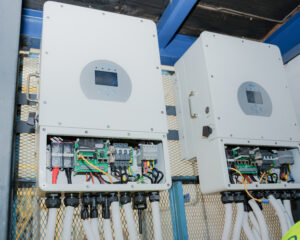
What is a smart grid?
A smart grid is an electricity network that incorporates digital technologies to monitor and manage energy flows in an efficient way. As opposed to the traditional grids, which merely distribute electricity from a power plant to your home or factory, smart grids can react to real-time situations. They automatically regulate distribution, detect outages, and even optimize energy usage according to patterns.
According to the International Energy Agency smart Grids help utilities and businesses balance supply and demand with more precision. To industries, it means less disruption and a much better handle on control over costs. Energy stops being unpredictable and becomes a tool that helps, rather than a challenge that holds operations back.
Why Efficiency Matters More Than Ever
Energy is one of the largest areas of expense in industrial operations. Over time, even small inefficiencies add up. When equipment doesn't get the right amount of power, machines wear out more quickly. Production slows down and managers spend extra time troubleshooting.
Energy management is more efficient within the grid. Power goes where it's needed, when it's needed. With sensors and automated systems, surges, dips, or faults are detected, and businesses can take steps before small issues become costly problems. Spenomatic Energy Solutions works with companies to integrate these systems, customizing them to the specific needs of each operation.
How Smart Grids Improve Reliability
One of the big advantages of smart grids is their reliability. Outages and voltage fluctuations are not just inconvenient; they can damage equipment and stop production. Smart grids monitor the network in real time, detect problems early, and sometimes even fix them automatically.
This is particularly true for businesses operating on a 24/7 basis. For example, food processing and pharmaceuticals can hardly afford to face a power outage suddenly. This may very well spoil their inventory, waste resources, or cause delays in shipment. A smart grid potentially minimizes all these risks. Businesses can better sleep at night knowing that not as many problems will be attributed to disrupted power.
Supporting Renewable Energy Integration on Smart grids
Communities and industries increasingly turn toward alternative sources of energy, such as solar, wind, or biomass. Smart grids are imperative to make these systems work reliably. Unlike traditional power plants, renewable sources can be intermittent: solar panels don't produce at night, and wind turbines stop when the wind dies down.
Smart grids balance these variations by incorporating different energy sources, storing excess energy, and distributing it efficiently. The United Nations Environment Programmeáunderscores the idea that smart grids are an essential part of maximizing the impact of clean energy and ensuring that renewable systems contribute meaningfully to operations without interruption.
Real-Time Monitoring and Data Insights
The most practical benefit of smart grids is data. Real-time monitoring lets businesses know exactly what their energy usage consists of, shows inefficiencies, and provides a basis on which to plan improvements.
For instance, a factory might learn that some machines are using too much energy during off-peak hours. This immediately allows managers to readjust schedules, invest in superior equipment, or work on optimizing usage patterns. Over time, these small changes result in substantial savings and a much more efficient operation. Spenomatic Energy Solutions helps companies interpret this data and turn it into actionable steps.
Cost Savings Through Smart Management
Smart grids help prevent not just outages but also reduce costs. The balancing of demand and supply, avoiding peak charges, and reducing energy waste will result in noticeable savings on the monthly energy bills of businesses.
Automation within the grids ensures that energy isn't wasted on idle machinery or unneeded processes. In the long term, it translates into better profits and competitiveness. Accordingly, the International Renewable Energy Agency
Reports consistently note that industries adopting smart grid technologies realize operational cost reductions and improved energy performance.
Environmental Benefits
Efficient energy management not only helps businesses but also helps save the planet. Optimizing energy distribution by reducing waste and integrating renewable sources, smart grids lower overall carbon emissions.
The industries are under increased pressure nowadays to develop environmentally responsible credentials. These grids provide an actual opportunity to achieve sustainability goals without any reduction of productivity. Spenomatic Energy Solutions ensures that companies can run cleaner operations while maintaining high output and cost efficiency.
Building the Future with Smart Grids
Smart grids are more than just upgrading the technology; they are a shift in perspective. They represent a transition from reactive to proactive in energy management. In adopting smart grids, businesses acquire better control, reduce risk, and provide a foundation for sustainable growth.
A combination of real-time monitoring, automation, renewable integration, and predictive analytics ensures that the operation remains smooth, reliable, and cost-effective. Companies embracing smart grids often experience less stressful energy management and more predictability, thus enabling managers to focus on growth rather than troubleshooting.
Smart grids, with professional guidance from providers such as Spenomatic Energy Solutions, can be implemented according to the needs of each business and with maximum benefit and long-term value.
FAQs
1. What is the main advantage of a smart grid for industries?
This improves efficiency and reliability while controlling cost and reducing the risk of outages.
2. Can smart grids integrate renewable energy?
Yes, they do, by balancing intermittent sources like solar or wind with storage and traditional power.
3. How do smart grids lower costs?
By reducing energy waste, optimizing demand, and avoiding peak charges.
4. Do smart grids require constant supervision?
No, modern systems automate much of the management while providing real-time monitoring.
5. Are smart grids environmentally friendly?
Yes, they reduce emissions and make renewable energy more effective.