
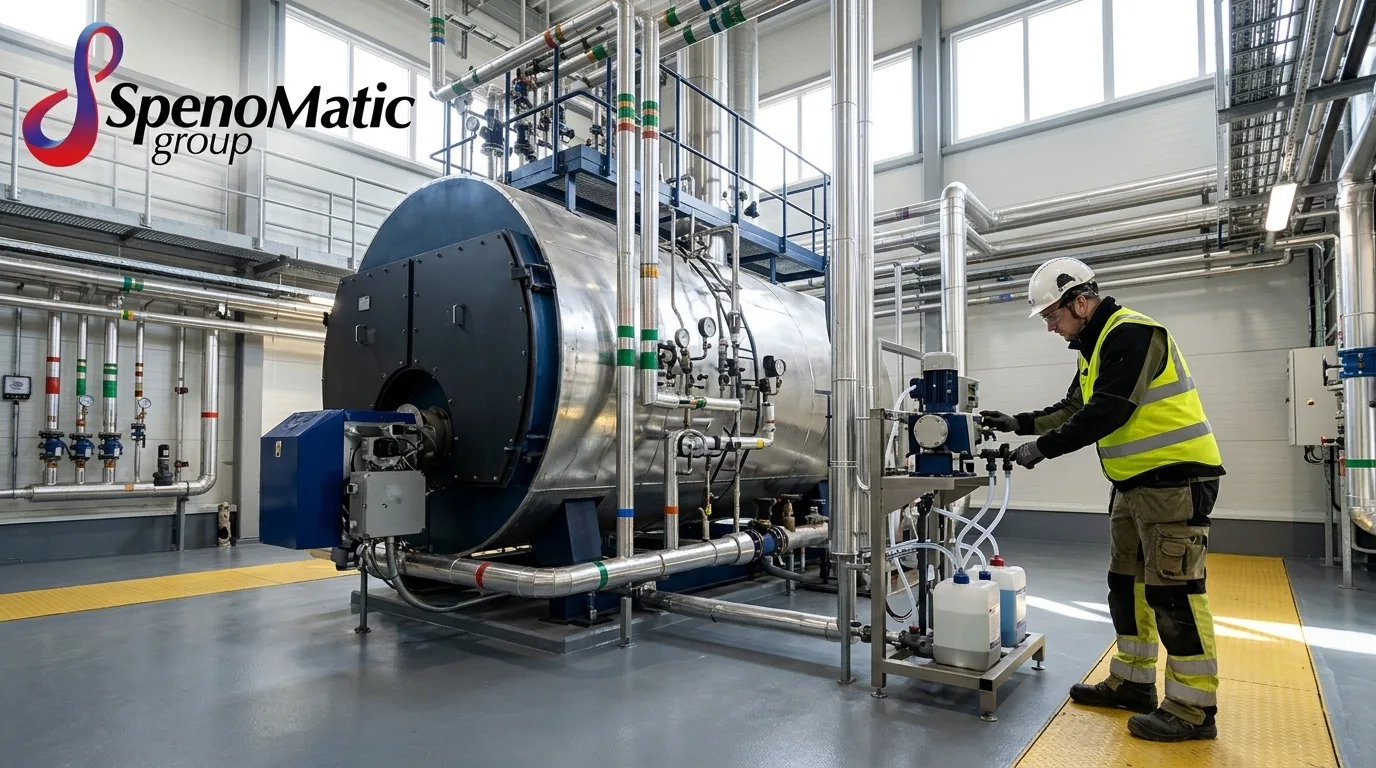
Water treatment chemicals in Kenya do much of the quiet work that keeps boilers running, yet they are often bought by habit rather than by analysis. A boiler can be well built and well fired and still fail early if the water going into it is poor. Scale, corrosion and carry-over all start in the water. This guide explains what boiler feedwater treatment involves, which chemicals do what and how to tell whether the programme is working.
Quick answer
The main water treatment chemicals for boilers are oxygen scavengers, scale and corrosion inhibitors and alkalinity builders, with antiscalants for RO membranes and biocides for cooling systems. Dosing should be set from water analysis and checked with regular testing.
What goes wrong with untreated water
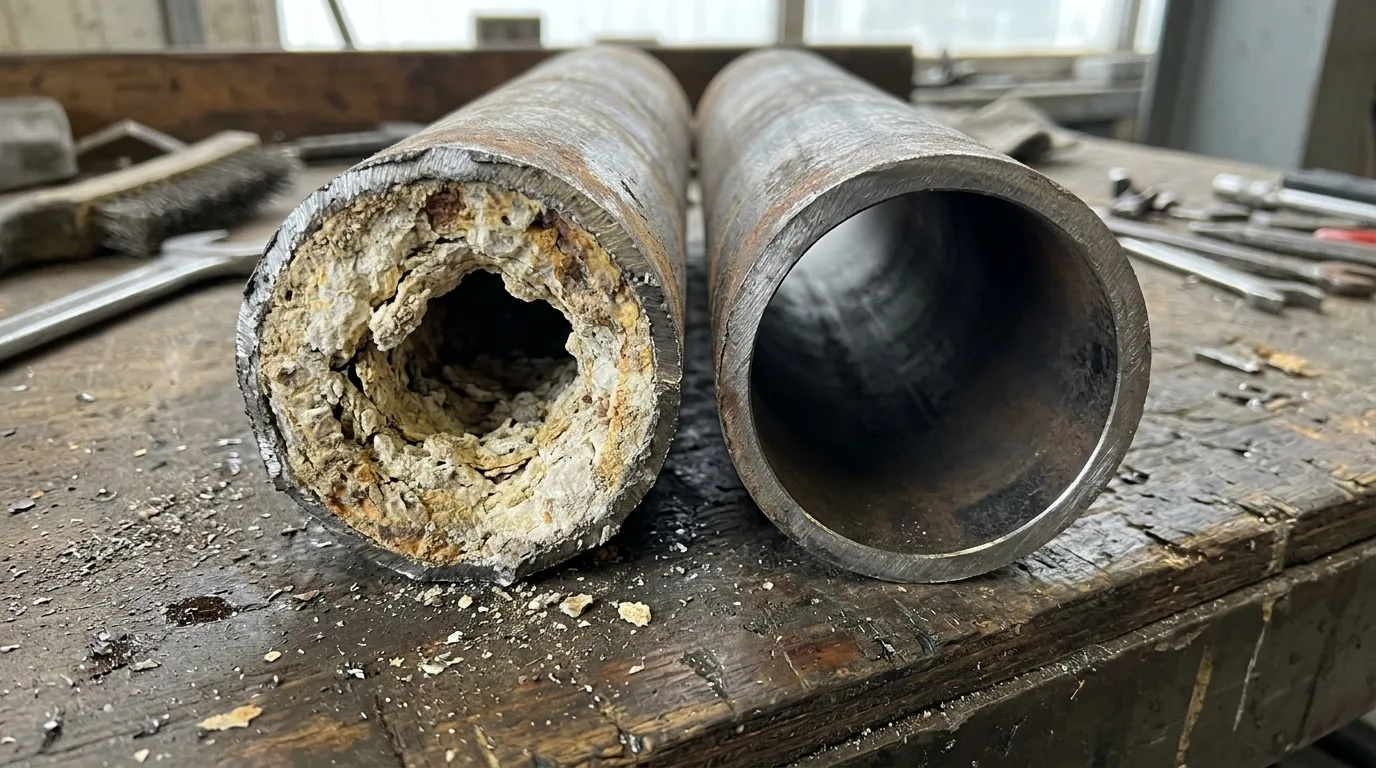
Water contains dissolved minerals, gases and sometimes suspended solids. Inside a boiler, hardness forms scale on heat surfaces. Scale insulates the metal, so the boiler burns more fuel for the same steam and the metal can overheat. Dissolved oxygen and carbon dioxide corrode pipes and pressure parts. Too many dissolved solids can cause foaming and carry-over, which sends water droplets into the steam system.
The treatment steps and what each does
Most plants use several stages in sequence, matched to the water analysis and the boiler's pressure.
| Treatment | Problem it addresses | Notes |
|---|---|---|
| Filtration | Suspended solids and turbidity | Protects the softener and membranes downstream |
| Softening | Hardness, the main cause of scale | Common for low- and medium-pressure boilers |
| Reverse osmosis or demineralisation | Dissolved salts and silica | Used for higher pressures or high-salinity sources |
| Deaeration | Dissolved oxygen and other gases | Reduces corrosion before chemical treatment |
| Chemical dosing | Residual oxygen, scale and pH control | Oxygen scavengers, scale inhibitors and alkalinity builders, set by analysis |
| Blowdown control | Build-up of dissolved solids in the boiler | Balances water loss against deposits and carry-over |
Start with the analysis
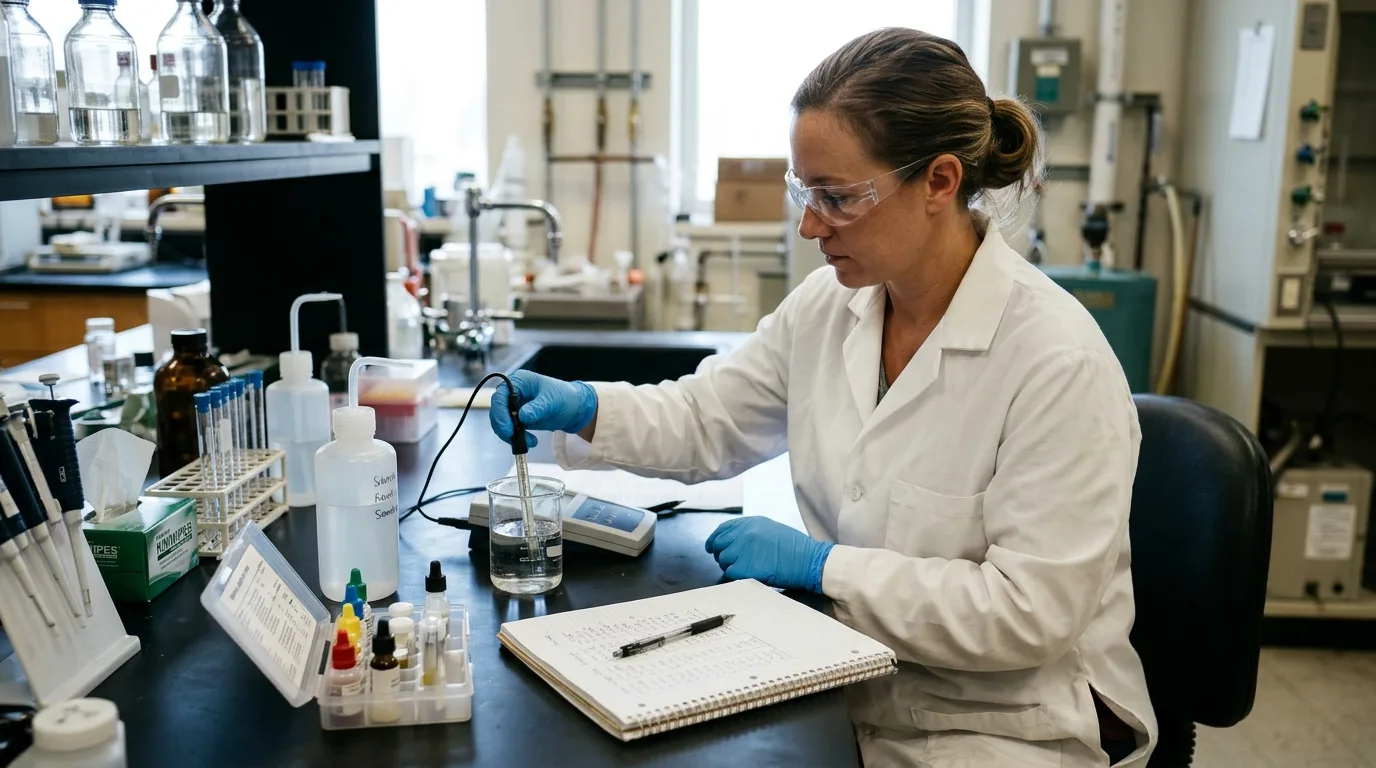
Treatment choices flow from the water. Hardness, alkalinity, silica, total dissolved solids, iron and chlorides all influence the design, and borehole and surface sources can change with the season. A current analysis, repeated when conditions change, stops you paying for treatment you do not need or missing the one you do.
Do membranes have a place?
Where the source is salty or the boiler runs at higher pressure, reverse osmosis can reduce the load on later treatment and cut blowdown. It brings its own pretreatment and running costs, so it should be justified by the analysis. Our guide to reverse osmosis versus ultrafiltration and the industrial water treatment in Kenya page explain where each fits.
Water treatment chemicals and how they are chosen
Chemical treatment works only when it is matched to the water and checked regularly. Spenomatic's labs and chemicals division supplies boiler and cooling-water treatments, including oxygen scavengers, scale and corrosion inhibitors and alkalinity builders, supported by water analysis. Regular testing of boiler water tells you whether the programme is holding.
Condensate, blowdown and monitoring
Returning clean condensate lowers makeup demand and chemical use. Blowdown should be controlled so that solids stay within limits without wasting hot water. Simple records of conductivity, pH and treatment dosage reveal trends early, long before a boiler inspection finds damage.
Treat the boiler and the water as one system
Water treatment designed in isolation tends to meet its own targets while ignoring the boiler's real demands. Specify them together, covering makeup volume, boiler pressure and condensate return. Spenomatic's boilers, chillers and biomass systems team and its water and effluent treatment service team work on both sides of the plant.
Signs your feedwater treatment is failing
Warning signs include scale on heat surfaces during inspection, rising fuel use for the same steam output, foaming or carry-over, and pitting or rust in pipework and condensate lines. Frequent blowdown to keep the water within limits is another clue. Any of these suggests the treatment, the monitoring or both need a review.
Test results tell the story earlier. Regular records of hardness, alkalinity, conductivity and treatment residuals show drift before damage appears.
Cooling towers and other systems
Boilers are not the only equipment that suffers from poor water. Cooling towers, chillers and closed loops also scale, corrode and grow biological films if the water is left untreated. A single programme for the site, supported by analysis, is usually simpler and cheaper than treating each system separately.
Choosing a treatment partner
Look for a supplier who starts with analysis, explains the reasoning behind each step and offers support after commissioning. Ask how often they will test, what they will report and how quickly they respond to problems. A good partner reviews the programme when your boiler load, fuel or water source changes, since those shifts alter what the treatment must do.
Make sure responsibilities are clear. If the boiler supplier, the water treatment supplier and your own team each assume someone else is watching the water, nobody is.
What good records look like
Keep daily or shift logs of makeup water, conductivity, hardness and chemical dosing, along with periodic laboratory analysis. Note any changes in load, fuel or water source. These records make troubleshooting faster, and inspectors and insurers often ask for them, so keep logs, analysis reports and maintenance notes organised and up to date.
They also show you when treatment costs are creeping up, which is often the first sign of an underlying problem.
Planning shutdowns and inspections
Use planned shutdowns to inspect the boiler internals for scale, corrosion and deposits. What you find shows how well the treatment has worked, and photographs make a useful record. Adjust the programme based on the findings rather than repeating the same regime year after year.
Costs and savings from getting it right
Good treatment costs money, but so does poor treatment. Scale raises fuel use, corrosion shortens equipment life and unplanned shutdowns interrupt production. Weigh the cost of chemicals, equipment and testing against the cost of cleaning, repairs and downtime. In most plants, a well-run programme costs far less than the damage it prevents.
Review the programme annually, using inspection findings and records to fine-tune dosing and blowdown rather than leaving settings unchanged.
Seasonal changes in water quality
Borehole and surface sources can change between wet and dry seasons, sometimes sharply. Hardness, salinity and iron may all shift, and a treatment set for one condition can fall short in another. Retest at intervals through the year, and adjust softener regeneration, dosing and blowdown when the numbers move. A fixed programme on a changing source is a common cause of scale that nobody can explain.
Common water treatment chemicals and what each does
Programmes differ by plant, but the main groups are familiar. Dosing rates should come from analysis and testing, not from a standard recipe.
- Oxygen scavengers remove residual dissolved oxygen after deaeration, reducing corrosion.
- Scale inhibitors and dispersants keep hardness and other deposits from sticking to heat surfaces.
- Corrosion inhibitors protect pipework and condensate lines.
- Alkalinity builders and pH control chemicals keep boiler water in a safe range.
- Biocides control biological growth in cooling systems.
- Antiscalants protect reverse osmosis membranes from scale.
Spenomatic's labs and chemicals division formulates treatments for boilers, cooling towers and membrane plants, backed by water analysis.
What to prepare
A water analysis, boiler type and pressure, steam load, condensate return and current treatment give an assessment everything it needs. You can request a water treatment assessment when you are ready.
Regulation: blowdown and chemical residues
Boiler blowdown and spent treatment chemicals end up in a drain or a treatment plant, so they count when you apply for a discharge licence. NEMA sets out the process on NEMA's licensing page.
Frequently asked questions about water treatment chemicals
What are the main water treatment chemicals for boilers?
Oxygen scavengers, scale and corrosion inhibitors and alkalinity builders are the main groups for boilers. Antiscalants protect reverse osmosis membranes, and biocides control biological growth in cooling systems.
How do I know if my boiler water treatment is working?
Regular testing of hardness, alkalinity, conductivity and treatment residuals shows whether the programme is holding. Scale, rising fuel use, foaming or rust are warning signs.
Do I need a water analysis before choosing chemicals?
Yes. Hardness, silica, dissolved solids, iron and chlorides all influence the treatment, so dosing should be set from analysis rather than a standard recipe.
Can Spenomatic supply boiler water treatment chemicals?
Yes. Spenomatic's labs and chemicals division supplies boiler, cooling-water and membrane treatments supported by water analysis. You can request an assessment through the website.
Need Water Treatment Chemicals That Match Your Water?
Share your water analysis, boiler details and steam load, and Spenomatic's team will help define the right treatment.