Copper mining & metals
Energy-intensive and remote operations need robust electrical infrastructure, water management and maintainable systems designed around site logistics.
Solar and storage, water treatment, laboratories, pumping and O&M
Lusaka-supported engineering for mines, processors and manufacturers seeking resilient power, high-capacity steam, efficient water systems and practical lifecycle support.
Industrial boilers, solar EPC and water treatment solutions in Zambia
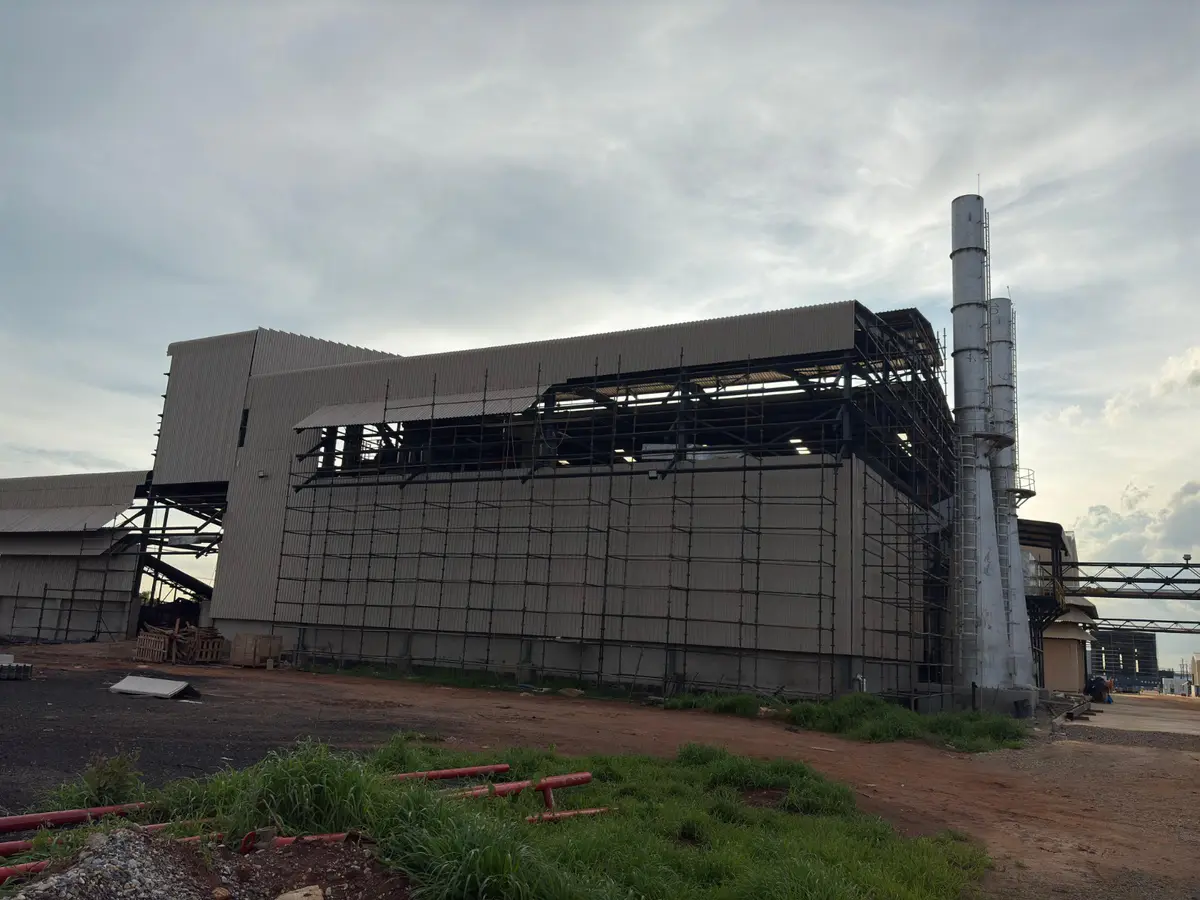
From its Lusaka office contact, Spenomatic supports Zambian industry with turnkey energy and environmental EPC solutions. Spenomatic's work in Zambia includes a high-capacity industrial boiler installation for food processing.
Spenomatic’s contact in Zambia: C/o Remsons Investment (Z) Ltd, Chinika Industrial Area, CHIN/4006137, Lusaka, Zambia.
Spenomatic connects local operating conditions with measurable plant requirements before recommending equipment.
Country-specific operating needs shape which combination of solar, thermal, water and process engineering creates the strongest value.
Energy-intensive and remote operations need robust electrical infrastructure, water management and maintainable systems designed around site logistics.
Solar and storage, water treatment, laboratories, pumping and O&MContinuous process heat and consistent water quality are critical to throughput, hygiene and product quality.
High-capacity boilers, steam distribution, process water, effluent treatment and solarAgricultural residues, seasonal loads and water demand create opportunities for integrated biomass, solar and reuse strategies.
Biomass boilers, C&I solar, condensate recovery and water reuseFactories facing electricity constraints can improve resilience through demand studies, distributed generation and efficient auxiliaries.
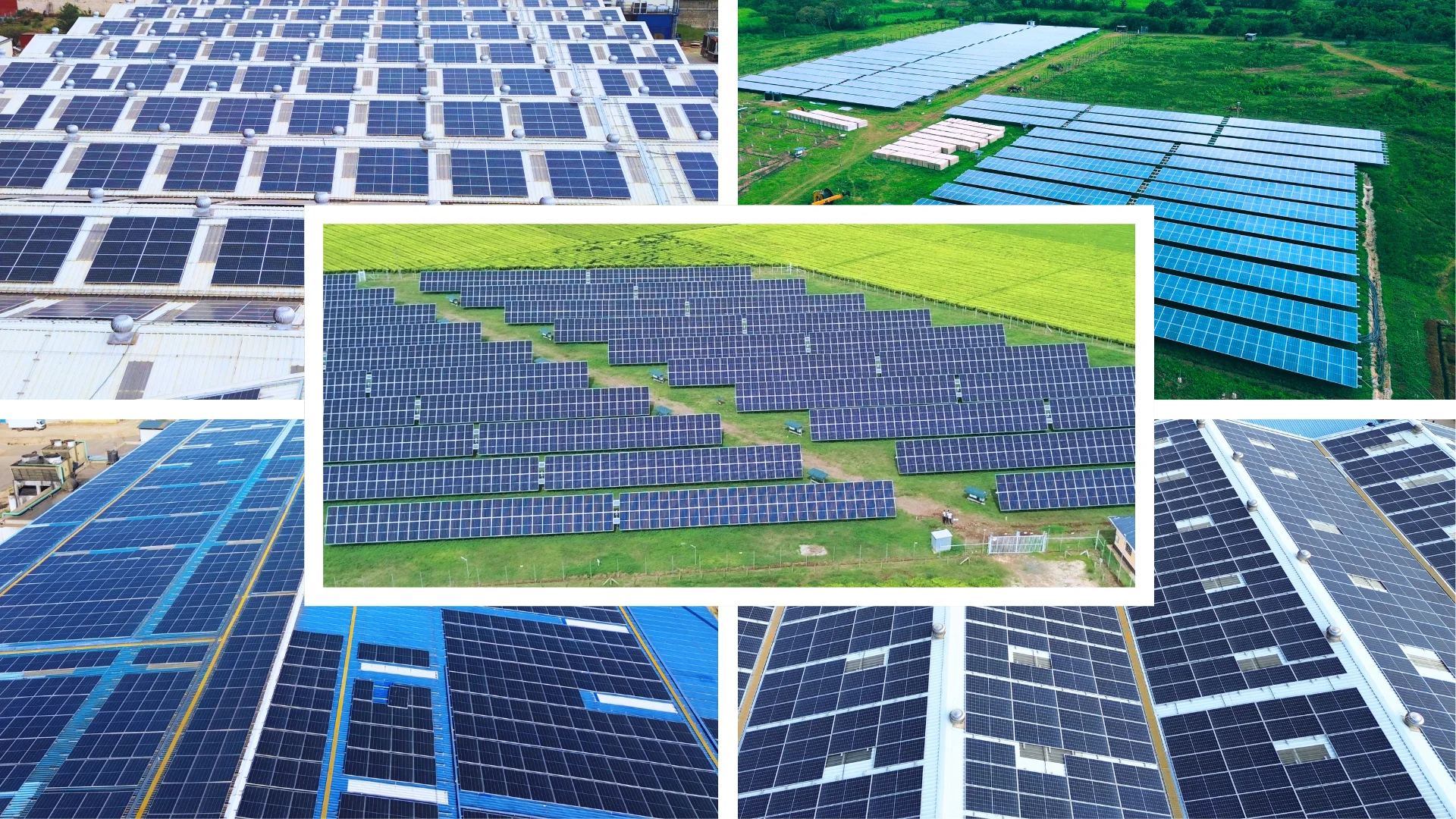
Solar PV, storage readiness, power-quality studies and maintenanceImages from Spenomatic’s wider project portfolio illustrate applicable technologies. They are not presented as projects delivered in this country unless explicitly identified.
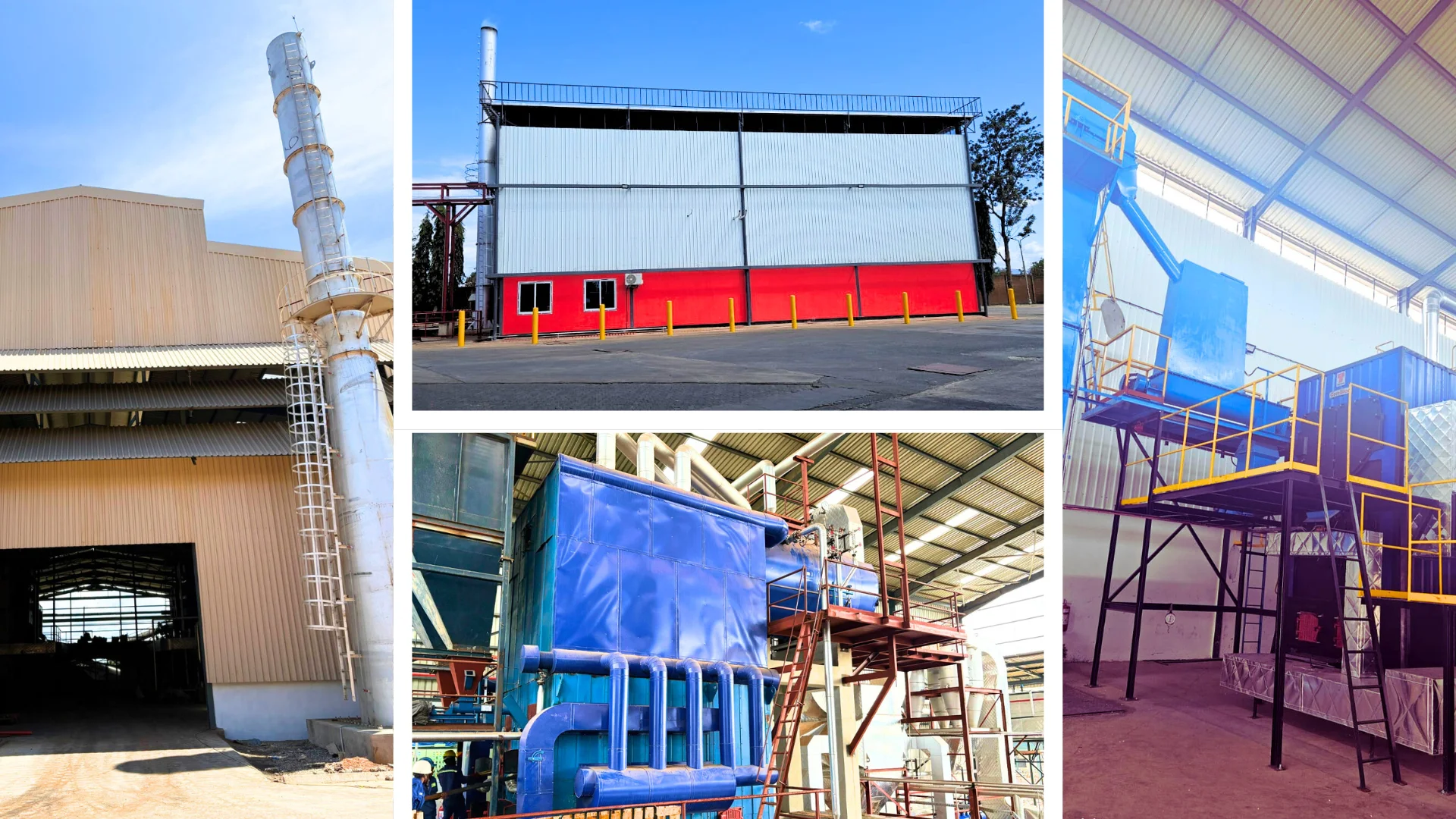
Zambia’s food processors and other industrial plants need reliable steam and power while managing fuel efficiency, operating cost and the impact of electricity constraints on production.
Use Zambia’s strong solar resource to reduce daytime grid demand and improve cost predictability for food processing, manufacturing and warehousing facilities.
Explore Commercial & Industrial Solar PV →Build on Spenomatic’s 32 TPH food-industry installation with efficient, fuel-flexible steam systems engineered for dependable high-demand processing.
Explore Steam Boilers & Biomass Systems →Secure consistent process-water quality and responsible discharge for food, beverage and industrial facilities while creating opportunities for water reuse.
Explore Water & Effluent Treatment →Protect the value of generated steam through efficient distribution, pressure control, trapping and condensate recovery across Zambian production lines.
Explore Steam Systems & Accessories →Help offices, shops, homes and small plants stay productive during electricity constraints with appropriately sized solar and storage.
Explore Home & Small Commercial Solar →Support food safety, water treatment and repeatable production quality with laboratory equipment and fit-for-purpose process chemicals.
Explore Laboratory & Process Chemicals →Adapt Spenomatic’s agro-processing, biomass and thermal expertise for specialised leaf and crop-processing operations that need reliable heat and material handling.
Explore Tea Sector Solutions →These projects are explicitly linked to the country in Spenomatic’s verified project database. Zambia.
Powering Industries with Innovation and Efficiency Spenomatic Kenya is a trusted provider of industrial boiler EPC solutions in Africa, delivering reliable and efficient energy systems fo...
View case study →Policy and environmental requirements change. These research notes strengthen early planning but do not replace project-specific legal, utility or environmental advice.
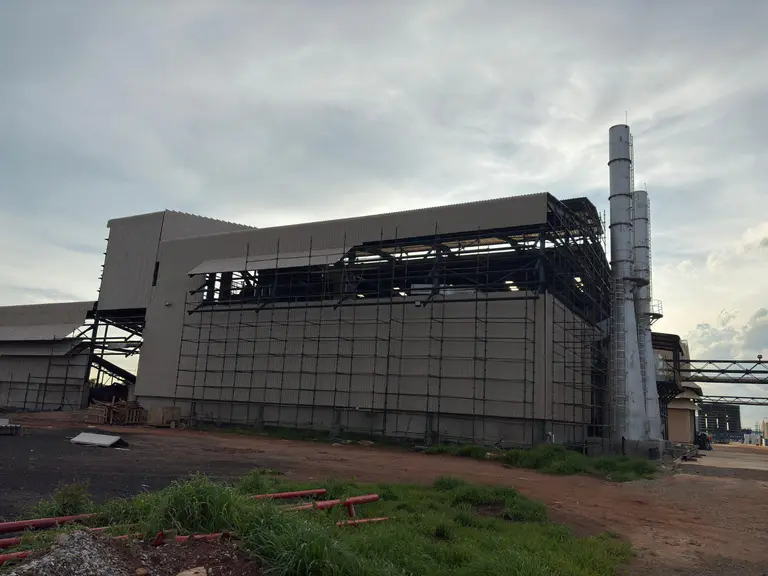
Spenomatic's Zambia boiler project provides 32 TPH of combined steam capacity through two 16 TPH Fluidized Bed Combustion boilers, supporting stable steam generation, flexible fuel use, improved efficiency and lower emissions for high-demand food processing.
Evidence note: The project benefits are drawn from Spenomatic's Zambia boiler case study.
Spenomatic provides boiler and biomass systems, steam engineering, commercial solar PV, water and effluent treatment, laboratory systems, commissioning, training and maintenance.
Yes. The verified project shown on this page is a 32 TPH industrial boiler installation for a food company, using two 16 TPH fluidised-bed combustion boilers.
Zambia’s 2024 net-metering framework provides a route for eligible prosumers, including capacity categories up to 5 MW. The specific connection, agreements, technical study and tariff treatment must be confirmed with the distribution enterprise and ERB.
The starting point is a combined load, outage and water-balance study. Solar, storage readiness, efficient pumping, treatment and reuse can then be prioritised around critical production loads and site constraints.
The applicable route depends on the activity and location. ZEMA currently lists Environmental Impact Assessment Regulations issued in 2026, so screening should use the current schedules and official guidance rather than older project assumptions.
Share your site location, load profile, steam demand, source-water data or production challenge. Spenomatic will help identify the right feasibility path.