
Water hammer in a steam line usually happens when condensate collects in the pipe and fast-moving steam drives it into a bend, valve or fitting, or when steam collapses suddenly into cooler condensate. The usual fixes are better drainage, correct pipe falls, working steam traps and slow, controlled warm-up. Treat repeated banging as a safety issue, because hammer can damage equipment and rupture pipework.
Key takeaways
- Most water hammer starts with condensate in the wrong place.
- Start-up is a high-risk period, because cold pipework condenses steam fastest.
- Drain low points, ends of mains and points ahead of risers and control valves.
- Find the cause rather than reinforcing supports to tolerate the shock.
What causes water hammer?
- Too few drain points: condensate gathers along the main.
- Failed or undersized traps: condensate backs up, often unnoticed.
- Sagging or badly sloped pipe: water pools at low spots.
- Fast valve opening: steam rushes into cold pipework holding condensate.
- Concentric reducers on horizontal lines: these can hold a pool of water upstream.
- Condensate lines with flashing or mixed flow: steam bubbles collapse in cooler water, creating a shock.
What are the warning signs?
Look for banging or knocking at start-up, pipes moving on their supports, leaking flanges, and damaged gauges, trap internals or strainers. Note when and where it happens, because timing often points to the cause.
| When it happens | Likely area to check |
|---|---|
| At every start-up | Warm-up procedure, start-up drainage, valve opening rate |
| During normal running | Failed traps, low spots, undersized drains |
| When a control valve opens | Condensate held upstream of the valve |
| In the return line | Flash steam, lift after the trap, line sizing |
How do you prevent water hammer?
- Slope the mains. A common guideline is a fall of about 1 in 100 in the direction of flow.
- Fit drain points. Use drip legs at low points, ends of mains and ahead of risers and control valves. Long straight runs are commonly drained every 30 to 50 m.
- Make the drip leg large enough. Condensate should drop into the pocket instead of passing over it, and the trap should connect above the bottom so dirt can settle.
- Use eccentric reducers with the flat side on the bottom of horizontal steam lines.
- Warm up slowly. Open valves gradually and use start-up drains until the line is hot.
- Keep traps working. See our guide on how to test steam traps.
- Size the return line properly. Our condensate pipe sizing and flash steam calculators give preliminary figures.
What should you do if a line is hammering?
Keep people clear of the affected section and follow your site procedure. Where it is safe, reduce the cause by slowly closing the steam supply and draining the line. Do not open valves quickly to clear it. Inspect the pipe, supports, joints and fittings before returning the line to service.
Frequently asked questions
Can water hammer damage steam traps?
Yes. Some trap designs are more vulnerable, so check the model. A trap that keeps failing at one location can point to hammer.
Does insulation prevent water hammer?
Insulation reduces condensate formation, but it does not remove the need for drainage.
Does a strainer help?
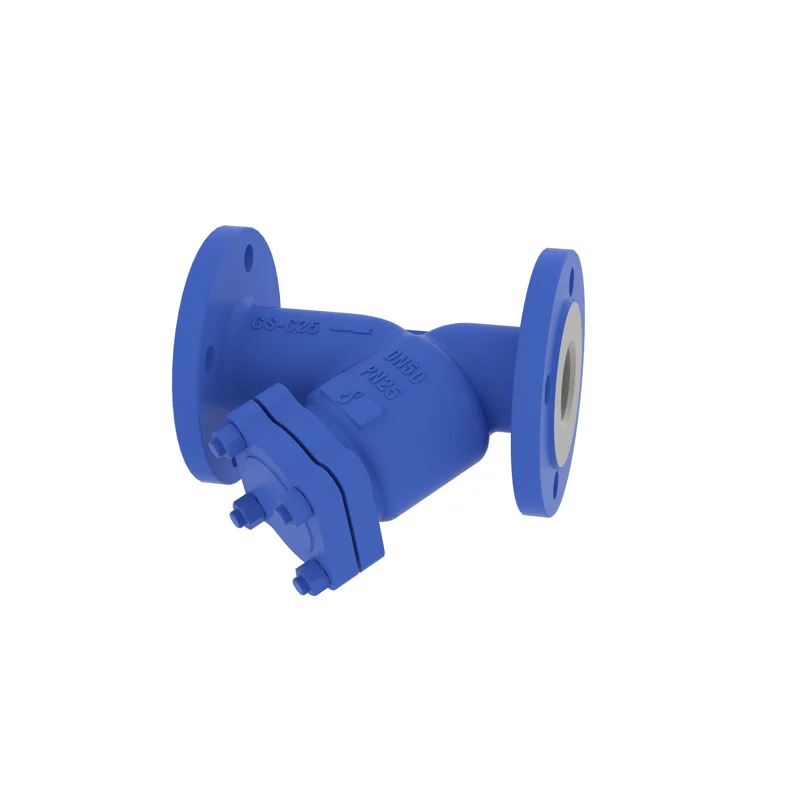
A strainer protects traps and valves from debris, which helps them keep draining, but it does not fix a drainage or layout fault. Install Y-strainers on horizontal steam lines with the screen on its side so it does not hold condensate.
Talk to the steam accessories team
Spenomatic supplies steam traps, strainers and valves, and can review drainage and pipework as part of a plant audit. Explore our industrial steam systems and accessories, or request a steam system assessment for your site.