Choosing between water treatment companies in Kenya is harder than it looks, because most proposals arrive with a plant size and a price and very little explanation of the water the plant is meant to treat. Whether you need a reverse osmosis plant for process water or an effluent treatment plant to meet discharge rules, the sensible starting point is the same: the water itself. This guide explains how to read a proposal, what actually drives the price of an industrial RO plant, and what to ask any supplier before you sign.
What water treatment companies in Kenya should do before they quote
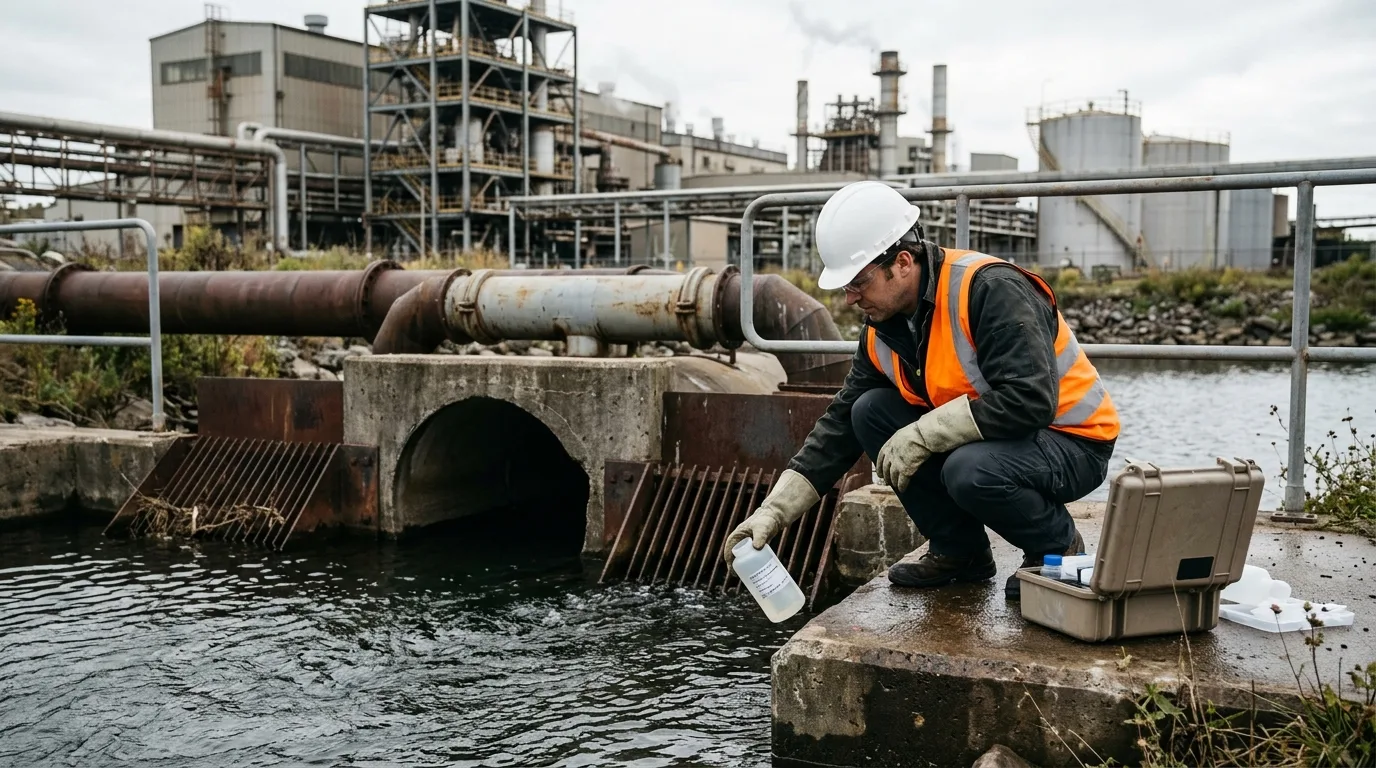
A reliable quote starts with data, not a catalogue. Before anyone sizes a plant, they need to know what water comes in, what quality each process needs, and where the water goes after use. A borehole, a river intake and a municipal connection can each present different problems, even when they feed the same production line, and seasonal changes can shift the picture again.
In practice that means a recent water or effluent analysis, daily volume and peak flow, operating hours, and the outlet quality you need. Spenomatic's approach follows the same order: analysis and site assessment, process design, engineering and supply, installation and commissioning, then maintenance. The group reports more than 400 water and environmental projects, and the water and effluent treatment service page sets out how each stage works. A proposal that skips the analysis is a guess with a price attached.
Reverse osmosis plant in Kenya: when RO is the right choice
Reverse osmosis reduces dissolved salts, so it makes sense where salinity limits process quality or damages equipment, for example in boiler makeup or certain food and beverage uses. It is not needed everywhere. Filtration, softening or other treatment can be enough, depending on the source and the duty.
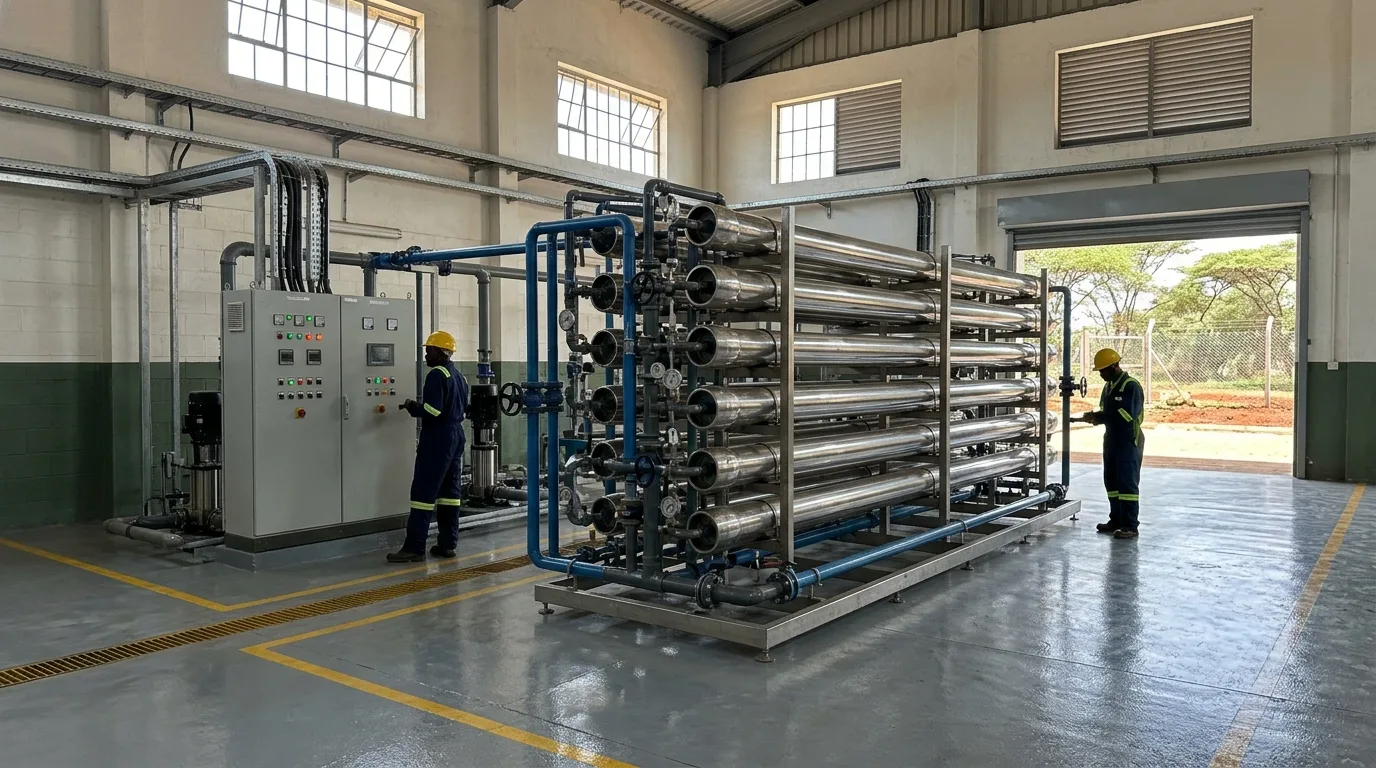
An RO plant is a system, not a single machine. A sound design covers pretreatment, membrane selection, feed pressure, recovery, concentrate handling, cleaning arrangements, instrumentation and storage for the treated water. If you are weighing membrane options, our guide to reverse osmosis versus ultrafiltration explains where each fits. For a sense of scale, the 90 m³/hour automated RO plant at Tatu City shows what a large automated installation looks like.
Industrial RO plant price in Kenya: why there is no single number
Search for an industrial RO plant price in Kenya and you will find pages quoting a figure per cubic metre per hour. Be careful with them. Two plants of the same capacity can differ widely in price because the water they treat is different, and a supplier who names a firm price before seeing your analysis is either guessing or leaving things out.
The table shows the factors that move the price in each direction. Use it as a list of what to confirm in every quote.
| Factor | What pushes the price up | What keeps it down |
|---|---|---|
| Feed-water quality | High dissolved solids, hardness, iron or silica, or a source that varies by season | Low, stable salinity, such as a clean municipal supply |
| Capacity and peak demand | A large peak flow the plant must meet directly | Flat demand, or storage that lets a smaller plant run steadily |
| Recovery target | High recovery, which needs more pretreatment and scale control | A modest recovery target with simpler staging |
| Pretreatment | Multi-stage filtration or softening ahead of the membranes | A clean source that needs little preparation |
| Automation | Full instrumentation, alarms, dosing and remote monitoring | Basic controls with manual sampling |
| Site interfaces | New pumps, power, storage, drainage or pipework | Existing capacity that can be reused |
The other half of the price: running costs
Purchase price is only part of what an RO plant costs you. Energy for the high-pressure pumps, membrane cleaning and replacement, antiscalants and other chemicals, and the handling of concentrate all recur. A cheaper plant that fouls its membranes every few months is not cheaper. Ask each supplier for an estimate of consumables and energy per cubic metre, and for the monitoring they recommend, such as flows, conductivity and differential pressure, which show when performance is drifting.
Treatment chemicals are part of that picture too. Spenomatic's labs and chemicals division covers custom-formulated treatments for boilers, cooling towers and membrane plants, backed by water analysis.
Effluent treatment plant in Kenya: start with the discharge rules
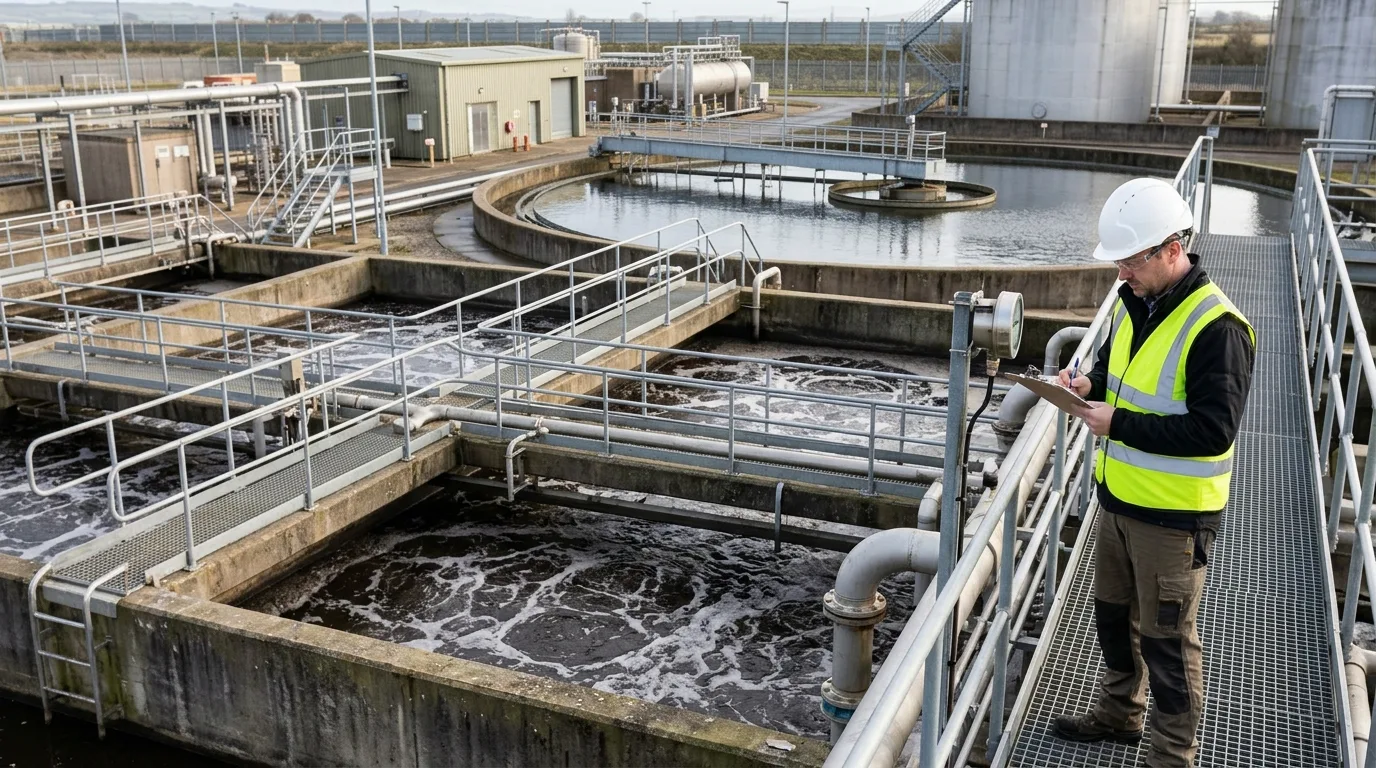
An effluent treatment plant begins with two questions: what is in the wastewater, and where does it go afterwards? Flow, organic load and solids vary between facilities and even between production stages, so the stream needs to be characterised before treatment is chosen. Separating streams can also open up reuse, since a fairly clean rinse stream needs far less treatment than concentrated process effluent.
For factories, discharge is regulated, so read the rules early. Our guide to NEMA effluent discharge licences and standards in Kenya is a good place to start. Design for the next use, whether that is discharge or reuse, and count the residuals too: recovering more water changes the concentration and handling of what is left, along with the energy, chemicals and sludge involved. The underground sewage treatment plant for a beach resort in Mombasa is one example of a plant built around a tight site.
Questions to put to any water treatment company
Once you have two or three proposals, the quality of the answers matters more than the lowest price. These questions tend to expose the gaps:
- What analysis is the design based on, and who took the samples?
- What outlet quality is guaranteed, and how will it be verified at commissioning?
- What are the expected energy, chemical and membrane replacement costs per cubic metre?
- How is concentrate or sludge handled, and who pays for disposal?
- What interfaces with existing pumps, power and storage are included in the price?
- What maintenance, spares and operator training are on offer after handover?
Water, steam and the rest of the plant
If you run steam, treat feedwater and boiler together. Poorly matched treatment contributes to deposits and corrosion, which hurts heat transfer and availability, so the feedwater programme should be reviewed alongside boiler duty, makeup water and condensate return. Spenomatic's boilers, chillers and biomass systems division works on that side of the plant.
It also pays to know where water is being lost before you size anything. An industrial water audit can show where use can be cut, and a smaller demand means a smaller plant.
What to send for a proposal
Preparing a few items makes the assessment faster and the proposal easier to compare:
- A current water or effluent analysis, with the sampling date.
- Source, daily volume, peak flow and operating hours.
- Required outlet quality and the intended uses.
- Existing equipment and known performance problems.
- Available space, power, storage and drainage.
- The discharge or reuse destination.
- Expansion plans and priorities.
With those in hand, you can request a water treatment assessment and get a proposal built around your own water.
FAQs
Do I need a water analysis before asking for a quote?
Yes. A recent analysis, together with flow and outlet-quality requirements, is the starting point for choosing treatment and for any price that means something.
Is reverse osmosis necessary for every application?
No. The right treatment depends on the source water and the process. Filtration, softening or other methods can be enough in some cases.
How much does an industrial RO plant cost in Kenya?
There is no single figure. Price depends on feed-water quality, capacity, recovery, pretreatment, automation and site interfaces, and running costs matter as much as the purchase price. A responsible supplier will quote after reviewing your analysis.
Can treated wastewater be reused?
Often, if the treatment can meet the requirements of the intended use. The assessment also has to cover collection, storage, distribution and monitoring.
Can an existing treatment plant be upgraded?
An assessment can review the current equipment, its performance and new demand to define a retrofit or expansion. The approach depends on the condition and capacity of what you already have.
Need a Water Treatment Company in Kenya That Starts With Your Analysis?
Share your water source, analysis, daily and peak demand, and required outlet quality. Spenomatic's water team will help define the right next assessment.